
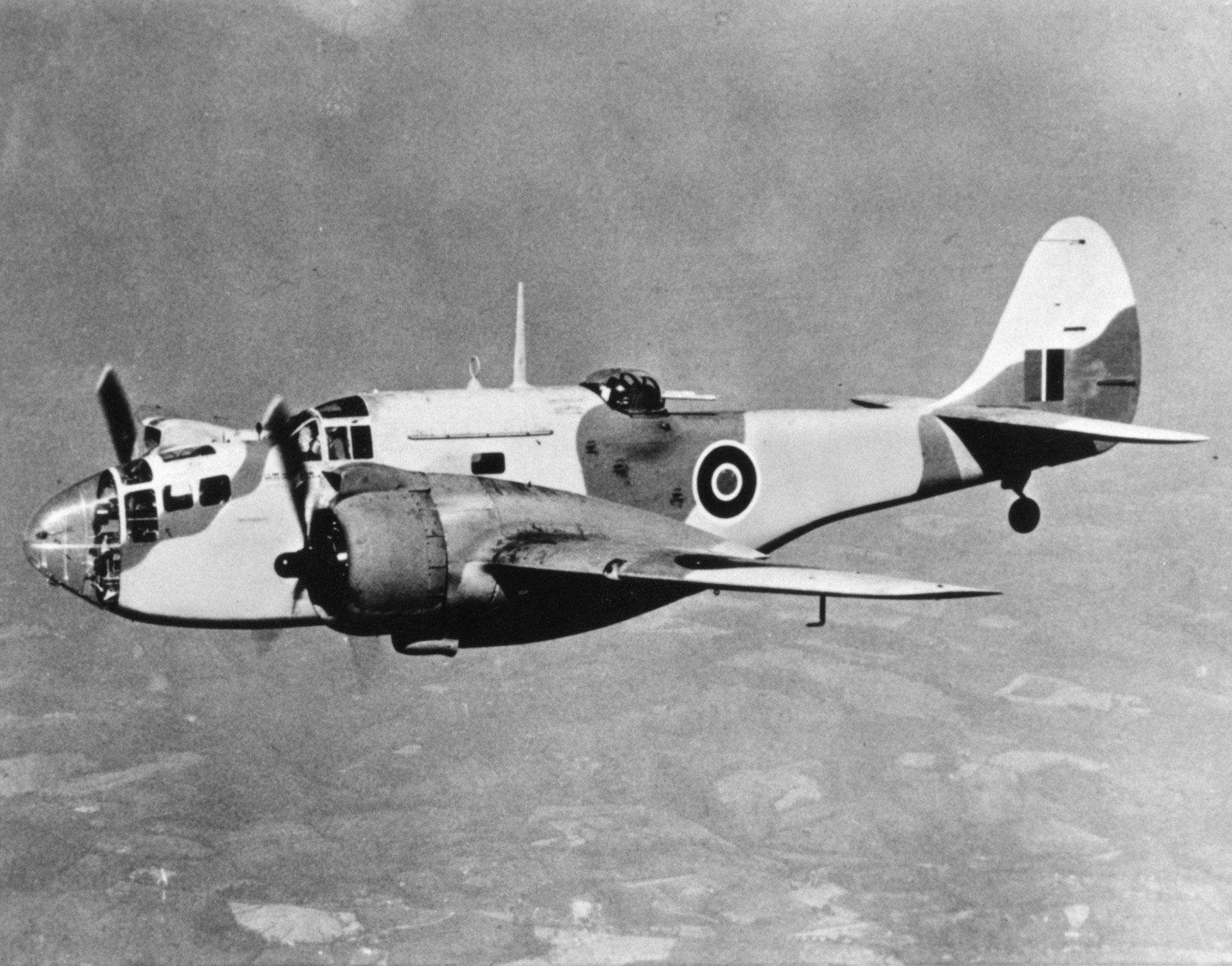
STUNNING WW2 MYSTERY SOLVED: Remains of Lost Australian Airmen Found in Papua New Guinea Jungle After 82 YEARS
- Families of four RAAF crew members finally get closure after eight decades of uncertainty
- The airmen’s Beaufort Bomber A9-211 crashed in the jungle during a mission in 1943
- The discovery brings a mix of emotions for relatives, including sadness, relief, and closure
The wait is finally over for the families of four Australian airmen who went missing during World War II. After 82 long years, the remains of the lost airmen have been discovered in the remote jungles of Papua New Guinea. The finding brings an end to a mystery that has haunted the relatives of Flight Sergeants John Kenny, Arthur John Davies, Thomas Burrowes, and Murray Fairbairn since their Beaufort Bomber A9-211 failed to return from a mission on December 14, 1943.
For Robert Burrowes, the news was both emotional and overwhelming. His uncle, Thomas Burrowes, was just 16 when he joined the RAAF cadets, but couldn’t become a pilot due to rheumatic fever as a child. Instead, he served as a wireless air gunner in Papua New Guinea. “I thought, ‘Well, they’re just being thorough,'” Robert Burrowes recalls, speaking of the initial phone call from the Australian Defence Force genealogist. “She hadn’t given any hint at all,” he adds, still in shock.
The airmen’s mission was to bomb Rabaul, a Japanese-held base, but the weather was terrible that night, and the mission did not go to plan. Only three planes made the target, two bombed alternate targets, and four returned to base without completing the mission. Tragically, one plane did not return to base – the aircraft carrying Thomas Burrowes and his crew.
The aircraft was never located, and the whereabouts of the crew remained a mystery for almost eight decades. Robert’s father, Jim Burrowes, Tom’s twin brother, was particularly affected by the disappearance. He served in Rabaul during World War II as a coastwatcher and was resigned to the fact that he would never find out what happened to his twin brother. “If he lived one more year, he would’ve,” Robert Burrowes says, his voice cracking with emotion.
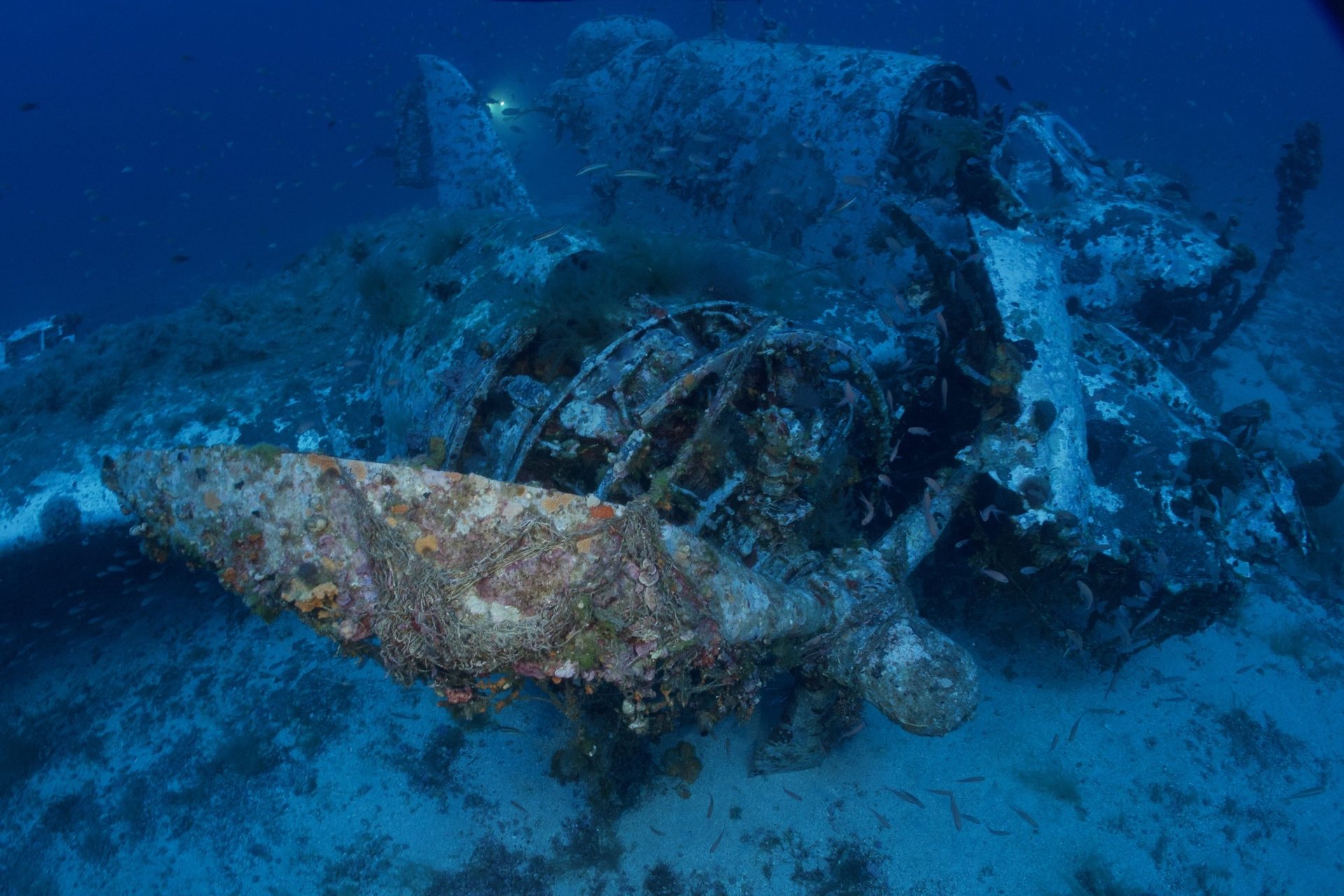
In October, Robert received another call – this time from Group Captain Grant Kelly, who led a special RAAF unit focused on locating missing war casualties. “He was halfway through the third sentence, and I thought ‘Bloody hell, they’ve found the plane’. I started bawling immediately,” Mr. Burrowes recalls, still emotional about the discovery.
The team’s mission was not an easy one. They had to navigate the remote mountains of Rabaul, Papua New Guinea, after a teenager, Willie Flinn, discovered the wreck while trekking through the bush in 2022. The team encountered multiple challenges, including false starts and harsh weather conditions. “It’s 80 years old. It’s been subject to damage, disturbance, deterioration. The tropical jungle is not a friendly site or not friendly to wreckage,” Group Captain Kelly explains.
But their perseverance paid off. Within half an hour of reaching the site, they discovered a component plate, a modification plate that identified the aircraft as A9-211. The discovery was a major breakthrough, and for Robert Burrowes, it brought a mix of emotions. “They call it closure. I’m not sure that that’s quite the right word,” he says, gently wiping away tears. “I feel very emotional. Yeah, it’s pretty upsetting, but it’s also good to know.”
Danielle Baker, the granddaughter of navigator Arthur Davies, who also died in the crash, feels a sense of peace knowing what happened to her grandfather. “It’s always been in the back of my head,” she says. “Did he get shot down? Did he get picked up by the enemy? Did he ever suffer? But now we’ve sort of got this peace of mind that they hit the mountain because the weather was so tragically horrible. And probably it was very quick.”
A small amount of bone fragment, which could be human remains, has been found at the site and will undergo forensic testing. Danielle hopes it belongs to her grandfather. “There had been some burnt remains found at the front of the plane,” she says. “With my grandfather being the navigator, he was probably up the front end of the plane … technically, I’d probably think that’s grandad.”
If the remains are confirmed to be her grandfather’s, Danielle knows exactly what she will do. “It’d be great if we could get a bit of that home so I could bury him or put him next to his wife and his daughter,” she says, her voice filled with longing.