
Nation’s Highest Honour Goes to Stolen Generations Survivor and Advocacy Powerhouse William Tilmouth in Emotional Australian Human Rights Win
- Arrernte man William Tilmouth takes out top gong for tireless advocacy work, exposing government failures and demanding justice for First Nations people
- In a heart-wrenching speech, Tilmouth recounts being denied his language, identity, culture, and family love as a Stolen Generations survivor
- The Northern Territory sweeps three categories, with NT Coroner Elisabeth Armitage and advocate Ramnik Singh Walia also taking home prestigious awards
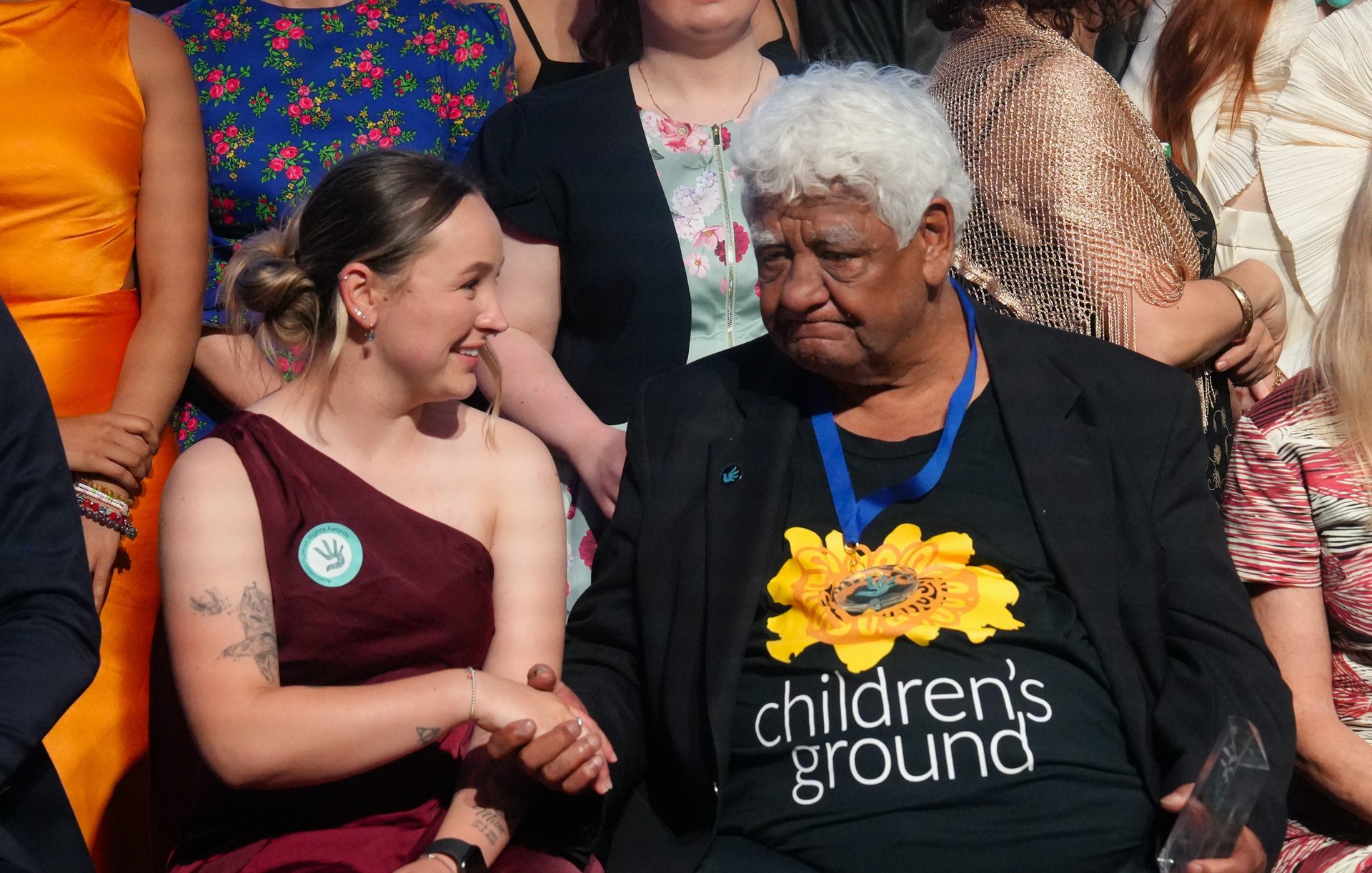
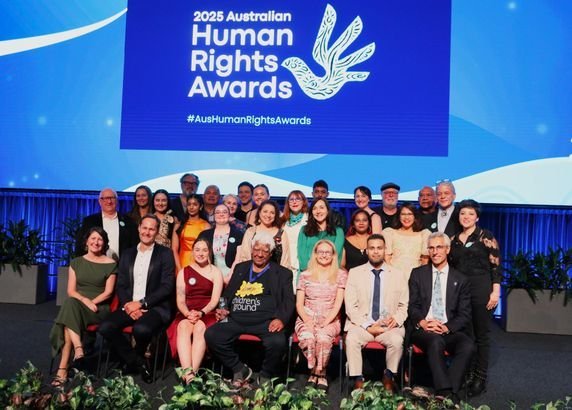
In a triumphant moment for human rights in Australia, Stolen Generations survivor and advocacy powerhouse William Tilmouth has been awarded the highest honour at the 2025 Human Rights Awards.
The Arrernte man from Alice Springs was bestowed the prestigious Human Rights Medal for his life’s work in fighting for justice, social reform, and the self-determination of First Nations people.
In an emotional acceptance speech, Mr Tilmouth recounted the horrors he faced as a member of the Stolen Generations, saying, “I was denied my language, my identity, culture, and the love of a family. I cannot repair what I have lost, and I still question ‘Who am I?’ ”
The respected leader and founder of non-profit organisation Children’s Ground did not hold back in his scathing critique of the Northern Territory government’s handling of the justice system, slamming their refusal to allow United Nations Human Rights investigators into prisons.
“The attack on our children, families, and culture is relentless and cruel,” he declared. “The lack of response from governments is an act of complicity to these violations of our rights.”
Mr Tilmouth’s win marks a historic milestone, as he joins the ranks of Australia’s most influential figures, including ophthalmologist Fred Hollows and land rights trailblazer Eddie Mabo.
In another major win for the Northern Territory, NT Coroner Elisabeth Armitage took out the Human Rights Law Award for her groundbreaking work in holding institutions accountable for upholding human rights.
Coroner Armitage has presided over several high-profile inquests, including the landmark inquiry into the death of Kumanjayi Walker, which exposed the Northern Territory Police as “an organisation with hallmarks of institutional racism”.
Upon receiving her award, Ms Armitage humbly remarked, “I often tell myself that even if I can’t change the outcome, I can change the process. All of us can change the process in which we work, and the way in which we work.”
The Human Rights Community Award was won by Ramnik Singh Walia, an advocate for accessible services for seniors, people with disability, and First Nations communities in remote areas.
Meanwhile, Walkley award-winning journalist Ben Doherty took out the Media and Creative Industries category for his reporting on human rights and humanitarian issues, from domestic servitude to experiences of forced migration and asylum.
And in the Young People’s Award, Tasmanian Shakira Robertson was honoured for her tireless advocacy work for victim-survivors of domestic and family violence, following the brutal killing of her mother in 2023.