
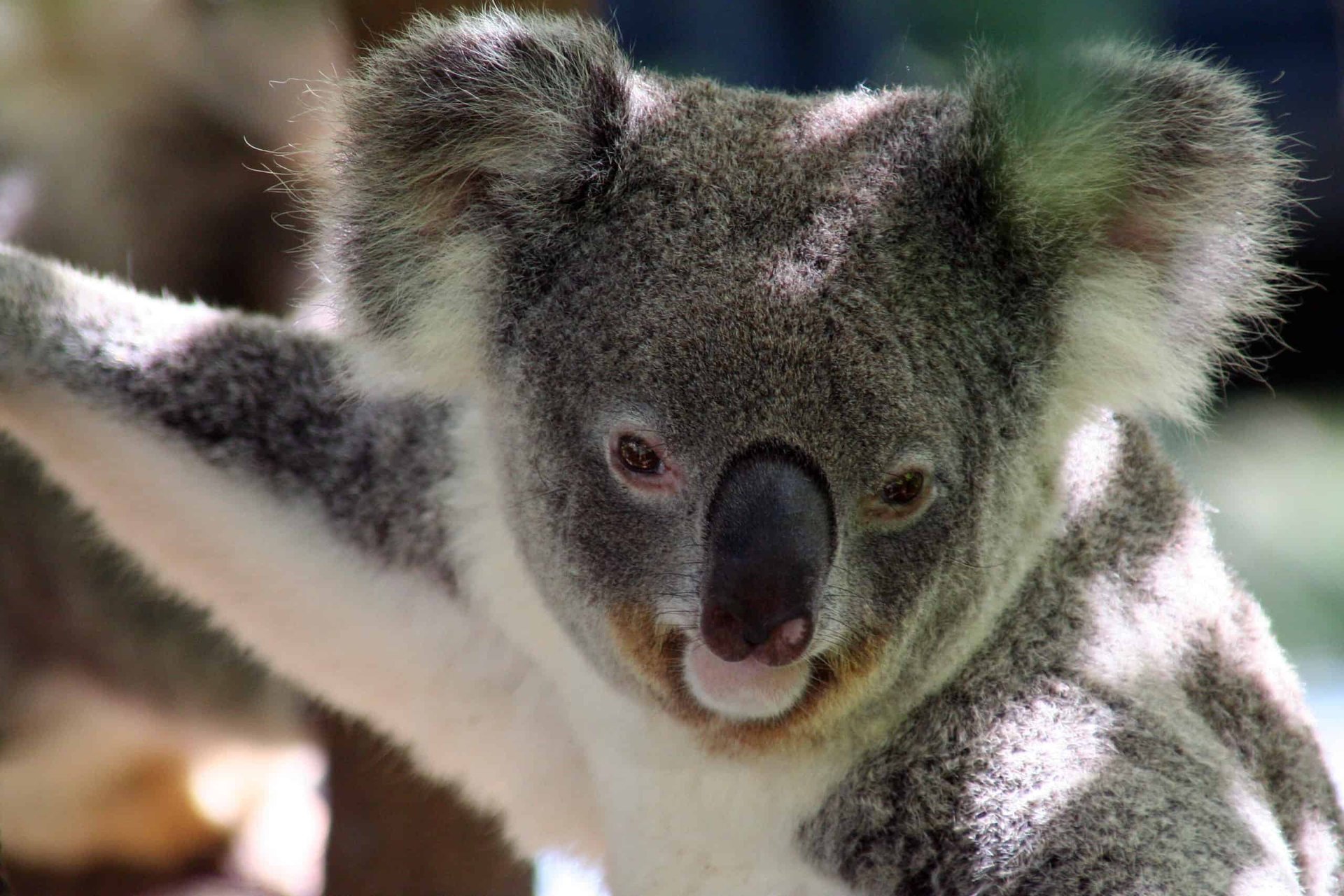
KOALA CRISIS: Desperate Bid to Save Queensland’s Beloved Marsupials from Brink of Extinction as Public Urged to Have Their Say
- The Queensland government has launched a last-ditch effort to save the state’s dwindling koala population, with a new strategy and advisory council
- The public is being invited to have their say on how to protect the iconic species, with a discussion paper open until March 15 next year
- A shocking 16,000 koalas remain in the wild in south-east Queensland, with advocates warning the population could soon become extinct
The Queensland government has sounded the alarm on the state’s koala crisis, launching a desperate bid to save the beloved marsupials from the brink of extinction. With a staggering 16,000 koalas remaining in the wild in south-east Queensland, the government is urging the public to have their say on how to protect the iconic species.
Environment Minister Andrew Powell has announced the establishment of a Koala Ministerial Advisory Council, which will bring together voices from industry, science, local government, property, and conservation. The council will be chaired by Minister Powell, who has vowed to leave “no stone unturned” in developing solutions to protect the koala population.
“We want to look at habitat protection, habitat restoration, monitoring, mapping, and the health of koalas,” Minister Powell said. “We need to work together to find a solution to this crisis, and we need the public’s input to make it happen.”
In a major boost for koala conservation efforts, the government has also announced a $950,000 funding injection for Gold Coast-based service Endeavour Veterinary Ecology (EVE). CEO Michael Hornby has welcomed the funding, saying it’s an “early Christmas present” for the koalas of the northern Gold Coast.
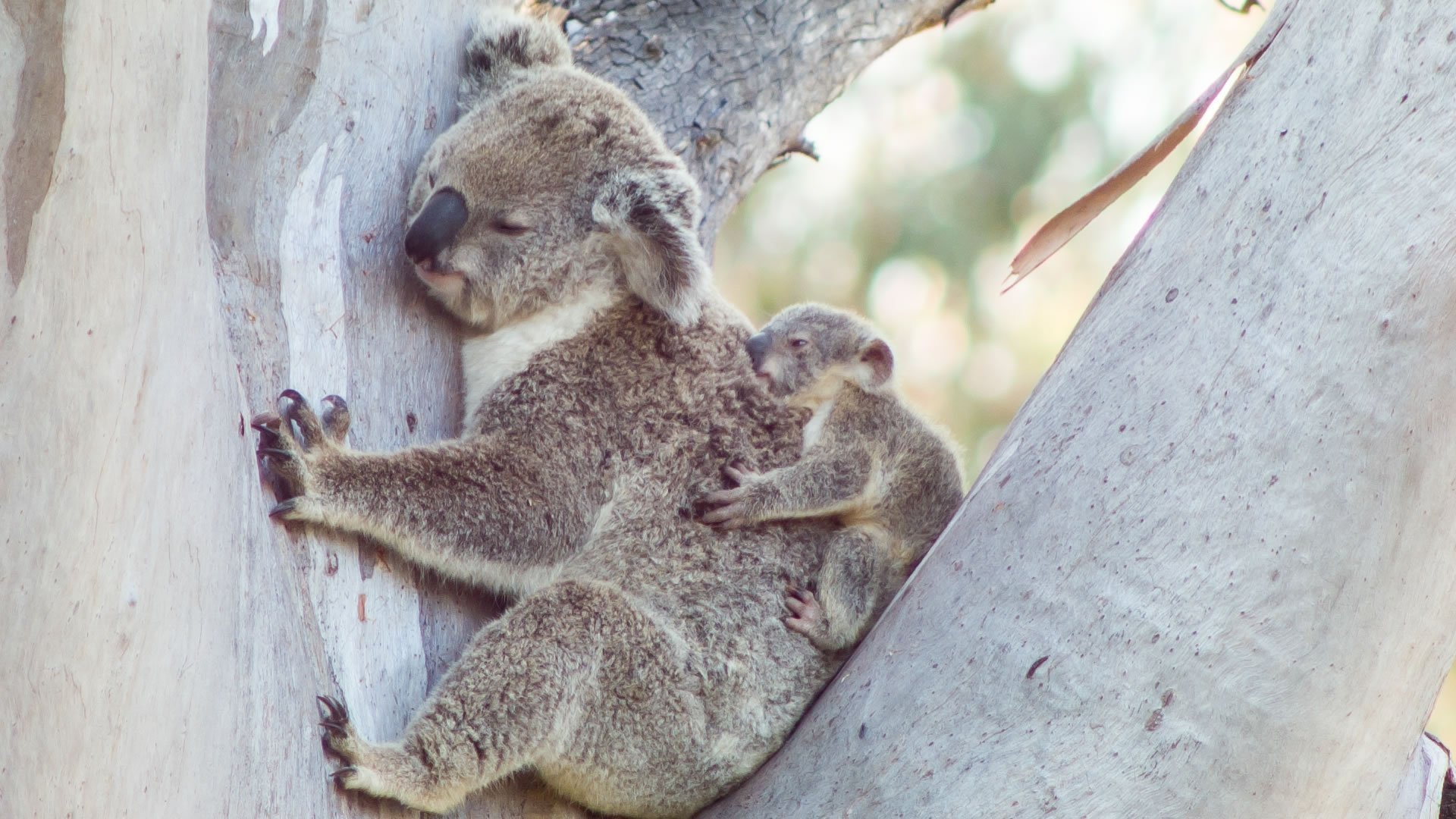
EVE has been at the forefront of koala conservation efforts, successfully treating a local population of over 120 koalas in Pimpama for chlamydia. The organisation has also been involved in a recent chlamydia vaccine trial, which has shown promising results.
“We know that every dollar being invested today in this kind of work will probably give us ten years’ worth of returns,” Mr Hornby said. “It’s more than a one-site operation – it’s a change in the wind.”
Minister Powell has praised EVE’s work and is keen to see the success of their program replicated across south-east Queensland. “We want to find other projects that produce just as good, if not better, results,” he said.
The Koala Ministerial Advisory Council will hold its first meeting in early 2026, with a Koala Strategy set to be delivered by the middle of next year. The public is urged to have their say on the discussion paper, which is open until March 15 next year.