

New Gun Laws and Protest Crackdown Come into Effect as NSW Premier Vows to Keep State Safe After Bondi Beach Massacre
- New laws restricting gun ownership and protest gatherings come into effect immediately after NSW Parliament’s emergency vote
- Premier Chris Minns promises to “do everything possible” to keep NSW residents safe in the wake of the devastating Bondi Beach attack that left 15 dead
- Recreational licence holders limited to just four firearms, with licence reviews every two years, in a bid to curb gun violence
- Police given sweeping new powers to restrict protests, sparking fears of curbs on freedom of speech
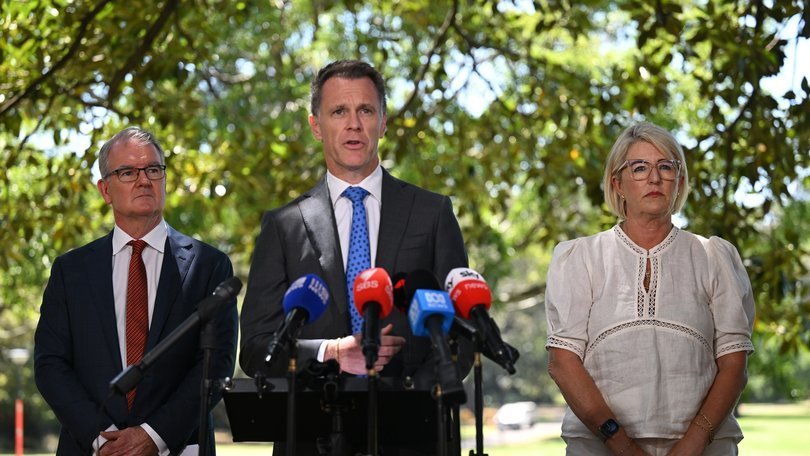
Premier Chris Minns has vowed to keep NSW safe, declaring “we’re not done with reform” as new laws cracking down on gun ownership and protest gatherings come into effect. The legislation was rushed through NSW Parliament in the early hours of Wednesday morning, just days before Christmas, in response to the horrific Bondi Beach attack that left 15 innocent people dead.
Mr Minns said the “urgent” measures were necessary to ensure “peace, safety and security” for the people of NSW, still reeling from the December 14 massacre. “These are important changes, important legislation,” he said, as he defended the government’s decision to recall parliament to tighten laws around protests and gun ownership.
Under the new gun laws, recreational licence holders will be limited to just four firearms, and owners will need to have their licence reviewed every two years. Mr Minns acknowledged that some elements of the gun bill would take time to implement, including setting up and funding a buyback registry, but vowed to act “as soon as possible”.
However, the government’s move to give police sweeping new powers to restrict protests has sparked concerns about freedom of speech. Anne Twomey, emerita professor of Constitutional Law at the University of Sydney, warned that the laws could deter people from protesting altogether. “I think that they’ll think they’ve been banned and it’s illegal to do that [protest] and that will stop them from exercising their freedom of political communication,” she said.
Anthony Whealy, chair of the Centre for Public Integrity and former NSW Court of Appeals judge, also expressed concerns, saying the laws could create more division in society. But Mr Minns insisted that the measures were necessary to ensure the safety of NSW residents at a volatile time.
The Premier also reassured that the new laws would not impact next month’s planned Invasion Day rallies, which aim to change the January 26 date of Australia Day. “Obviously, assemblies like that can take place … it’s just that marches through the city through a form, one which I understand hasn’t traditionally been part of that protest,” he said.