

Australia Throws Weight Behind US Airstrikes on Islamic State in Nigeria as Terror Group’s Grip on Africa Tightens
- US President Donald Trump launches ‘powerful and deadly strike’ on ISIS targets in Nigeria on Christmas Day
- Australian government backs US-Nigerian co-operation against the Islamic State group, including Friday’s strikes
- Move comes as Australia grapples with fallout of alleged ‘ISIS-inspired’ attack on Bondi Beach that killed 15 people
In a dramatic escalation of the global fight against terrorism, the Australian government has thrown its support behind US airstrikes targeting the Islamic State in Nigeria. The move comes as the terror group’s grip on Africa continues to tighten, with Nigeria, Chad, Burkina Faso, Mali, and Niger all facing active jihadist insurgencies.
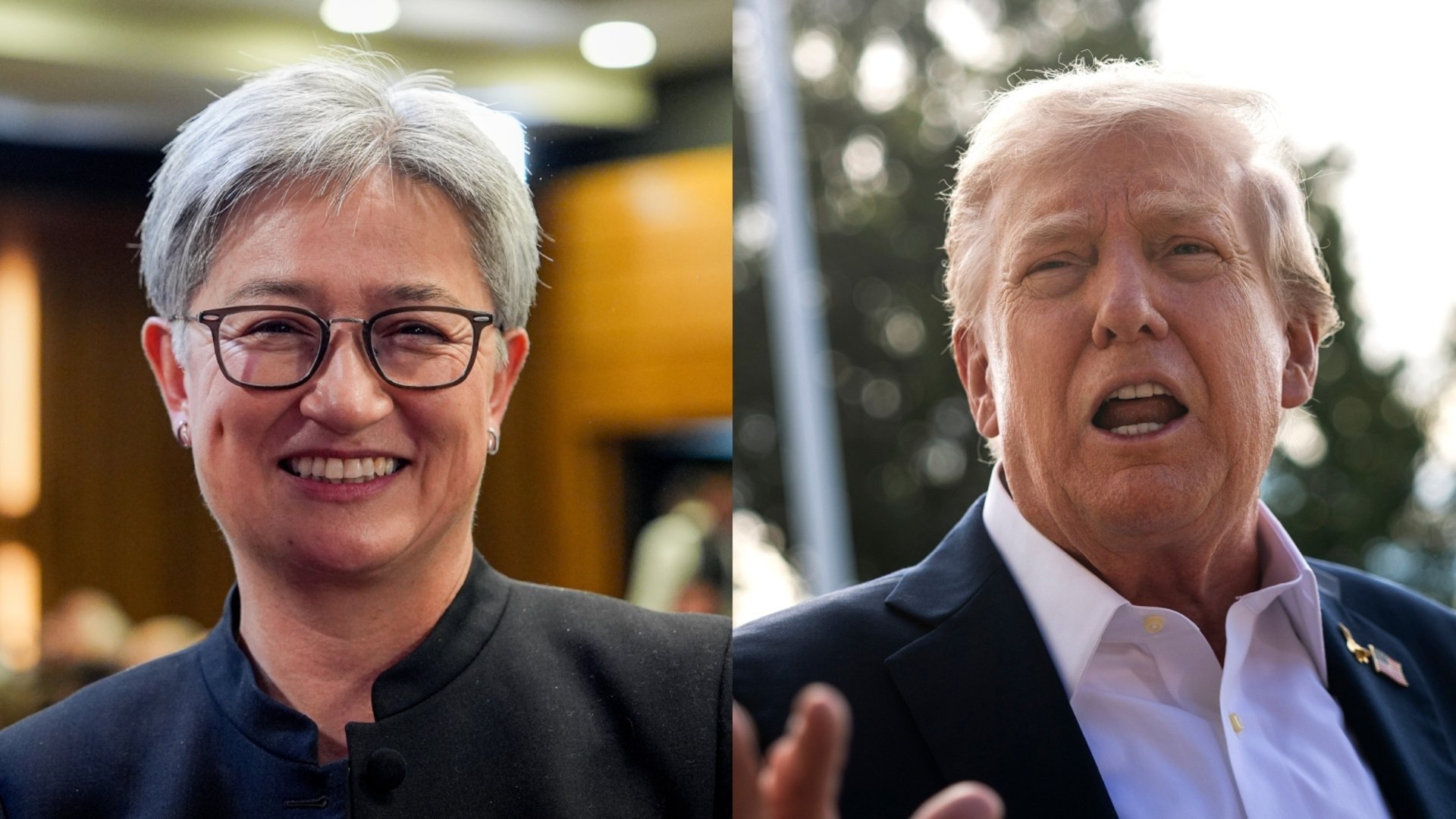
US President Donald Trump revealed the airstrikes in a social media post on Christmas Day, saying he had directed a “powerful and deadly strike against ISIS terrorist scum” in restive northwestern Nigeria. Mr Trump has long accused militants of attacking Christians in the predominantly Muslim north, warning that if they did not stop the slaughtering of Christians, “there would be hell to pay”.
“I have previously warned these terrorists that if they did not stop the slaughtering of Christians, there would be hell to pay, and tonight there was,” Mr Trump said on Truth Social. Nigeria’s Ministry of Foreign Affairs confirmed that Nigerian authorities had engaged in security co-operation and intelligence sharing that “led to precision hits on terrorist targets in Nigeria”.
Australian Foreign Minister Penny Wong said the government supported US-Nigerian co-operation against the Islamic State group, including Friday’s strikes. “ISIS terrorises people around the world. Its extremist, violent ideology must be stopped,” she said.
The move comes as Australia grapples with the fallout of an alleged “ISIS-inspired” attack on Bondi Beach that killed 15 people. Police allegedly recovered homemade Islamic State-style flags from a car belonging to the alleged gunmen, Sajid and Naveed Akram. Prime Minister Anthony Albanese said the attack “reinforces the rapidly changing security environment in our nation”.
The Islamic State group, also known as ISIS or Daesh in Arabic, once controlled swathes of territory spanning Iraq and Syria, with aligned groups also operating in Afghanistan, Pakistan, and in parts of southeast and central Asia and Africa. Since the fall of Baghuz in far western Syria in 2019, the group and its affiliates have become increasingly active in the Sahel and areas of Africa where central authority is greatly diminished.
Nigeria has been fighting off an insurgency from the jihadist group Boko Haram, which in 2014 pledged allegiance to the Islamic State group. Nearby Chad, Burkina Faso, Mali, and Niger are all facing active jihadist insurgencies, with Bamako, the capital of Mali, under siege by the al-Qaeda-linked group JNIM.