

EX-TROPICAL CYCLONE ALFRED RANKED AMONG WORLD’S MOST COSTLY DISASTERS FUELLED BY CLIMATE CHANGE – WITH $1.8 BILLION IN DAMAGES AND COUNTING
- Ex-tropical cyclone Alfred ravages southeast Queensland and northern NSW, leaving a trail of destruction and $1.8 billion in damages
- The disaster is ranked among the world’s most costly climate change-fuelled events in 2025, according to UK-based humanitarian relief charity Christian Aid
- Global economic losses from climate-related disasters total over $120 billion, with the Palisade and Eaton wildfires in Los Angeles topping the list at $60 billion
- Experts warn of a “predictable outcome” of a warmer atmosphere and hotter oceans, driven by decades of fossil fuel emissions
Australia’s ex-tropical cyclone Alfred has been ranked among the world’s most costly disasters fuelled by climate change, with economic losses totalling a staggering $1.8 billion. The fierce storm, which ravaged southeast Queensland and northern NSW, has left a trail of destruction in its wake, with thousands of homes and businesses affected.
The disaster is one of the top 10 most economically catastrophic events listed by UK-based humanitarian relief charity Christian Aid, which has catalogued the devastating impact of climate-related disasters around the world. The charity’s report reveals that the global economic losses from these disasters total over $120 billion, with the Palisade and Eaton wildfires in Los Angeles topping the list at $60 billion.
Experts warn that the disasters are not isolated events, but rather a “predictable outcome” of a warmer atmosphere and hotter oceans, driven by decades of fossil fuel emissions. “They are the predictable outcome of a warmer atmosphere and hotter oceans, driven by decades of fossil fuel emissions,” said Davide Faranda, research director at the Laboratoire de Science du Climat et de l’Environnement.
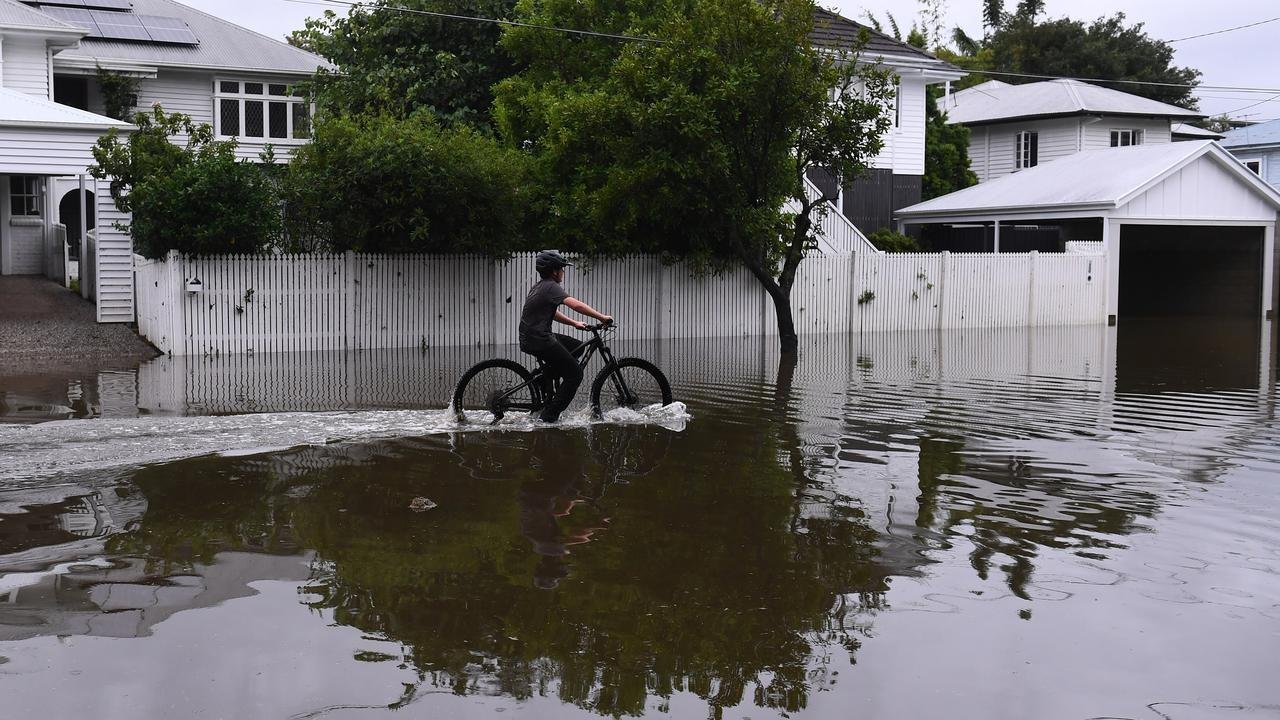
The report also highlights the disproportionate impact of climate-related disasters on poorer nations, which have fewer resources to respond to these events. “The poorest communities are first and worst affected,” said Patrick Watt, chief executive officer of Christian Aid. “We urgently need to adapt to the changing climate, particularly in the Global South where resources are stretched.”
As the world grapples with the devastating consequences of climate change, experts warn that the situation will only worsen unless drastic action is taken to reduce greenhouse gas emissions. “We are seeing more frequent and intense weather events, and it’s only going to get worse unless we take action,” said Faranda.
In the meantime, communities around the world are left to pick up the pieces and rebuild their lives after these devastating disasters. For those affected by ex-tropical cyclone Alfred, the road to recovery will be long and arduous, but with the support of governments, charities, and individuals, they will slowly begin to rebuild and recover.