
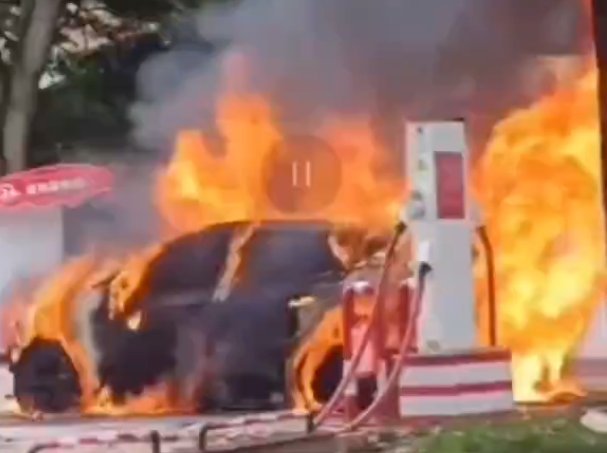
China Unleashes Radical New Laws to Tame the ‘Ticking Time Bomb’ of Electric Vehicle Batteries: ‘No Fire, No Explosion’ Rule to Revolutionise Global Safety Standards
- China introduces drastic new regulations to eliminate battery fires and explosions in electric vehicles, effective July 1, 2026
- The ‘no fire, no explosion’ rule will force automakers to redesign battery packs and thermal management systems to prevent catastrophic failures
- Global EV giants, including Tesla, BYD, and Toyota, will be impacted by the changes, which aim to prevent toxic fumes and ‘thermal runaway’ events
In a bid to quell the growing concern over electric vehicle battery safety, China has introduced radical new laws that will send shockwaves through the global automotive industry. The ‘no fire, no explosion’ rule, set to take effect on July 1, 2026, will require manufacturers to redesign their battery packs and thermal management systems to prevent catastrophic failures.
The move comes as the world’s largest supplier of automotive batteries, China’s Contemporary Amperex Technology (CATL), produces over a third of the world’s EV batteries, with major clients including Tesla, the world’s top-selling electric-only automaker in 2024. Australia’s supply of Tesla models, for example, comes from the company’s plant in Shanghai, China, which is located near one of CATL’s battery factories.
According to insiders, the new regulations will be a game-changer for the industry, forcing manufacturers to prioritise safety above all else. ‘The “no fire, no explosion” rule is a no-brainer,’ said one expert. ‘It’s a ticking time bomb waiting to happen, and China is taking proactive steps to prevent it.’
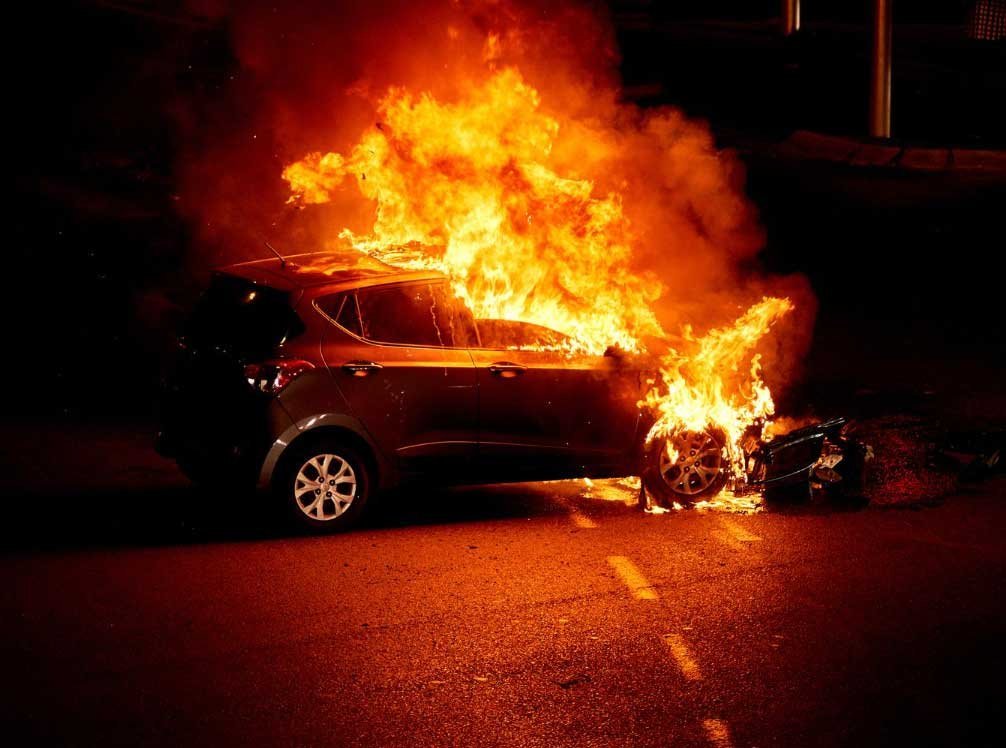
The laws will also require battery packs to withstand higher temperatures without catching fire, preventing ‘thermal runaway’ events that have seen EV fires reach temperatures as high as 1000 degrees Celsius. Additionally, manufacturers will be mandated to contain toxic fumes in the event of an incident, protecting occupants and firefighters from harm.
The changes are part of a broader effort by China to improve safety standards in the EV industry, following a string of high-profile incidents, including a fire at the General Motors Advance Design Studio in California in October 2025, which was thought to have originated from lithium-ion batteries.
As the world’s largest brand by sales, Toyota, prepares to open a battery plant in China in 2027, the new regulations will undoubtedly have far-reaching implications for the industry. BYD, the next biggest battery maker, has already developed its own ‘Blade’ batteries, which it claims can withstand impacts and are more stable than rivals.
With the clock ticking down to the July 1, 2026, deadline, manufacturers are scrambling to meet the new safety standards. As one industry insider noted, ‘This is a wake-up call for the entire industry. China is setting the bar high, and everyone else will have to follow.’