
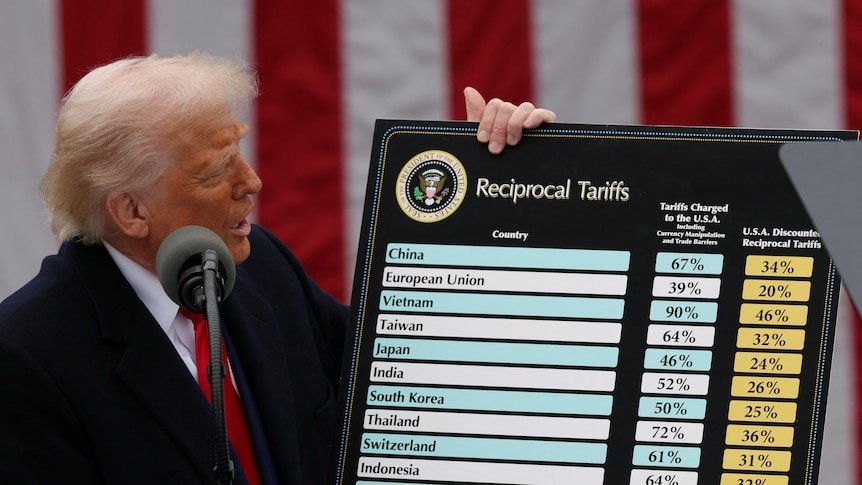
Donald Trump’s Tariff Takedown: How Aussie Businesses Are Still Reeling Eight Months On
- Australian fashion brands are wearing the burden of higher tariffs on Chinese-made goods, with some walking away from the lucrative US market.
- Small businesses are feeling the pinch, with reduced demand and consumer confidence at an all-time low.
- The US Supreme Court is set to rule on the legitimacy of Trump’s “reciprocal” tariffs, which could have major financial consequences for the US.
Eight months after Donald Trump’s so-called “liberation day”, the impacts of his sweeping tariff agenda are still being felt in Australia. Small local businesses have been hit hard, with reduced demand and consumer confidence at an all-time low. The Nashie, a sun protection brand, is one of many Australian companies paying higher tariffs than the 10 per cent baseline that Australia received in 2025.
“We are seeing reduced demand in the US,” says Tom Wilson, co-founder of The Nashie. “American consumers are spooked by tariffs.” The company has raised US prices to absorb the tariff cost, but has not raised Australian prices. “Honestly, a high tariff is manageable as consumers are expecting the cost to be passed on. But when they are so unpredictable, it stifles business,” Wilson adds.
Beatrice Toh, founder of Australian toy brand HeyDoodle, is also feeling the effects of the tariffs. “The biggest impact we’ve felt this year hasn’t been the direct cost of tariffs, but the effect they’ve had on customer confidence,” she says. “That caution has also flowed through to retail. We’ve unfortunately lost some wholesale stockists as physical stores were forced to close due to reduced foot traffic and tighter margins, which has had a ripple effect across the supply chain.”
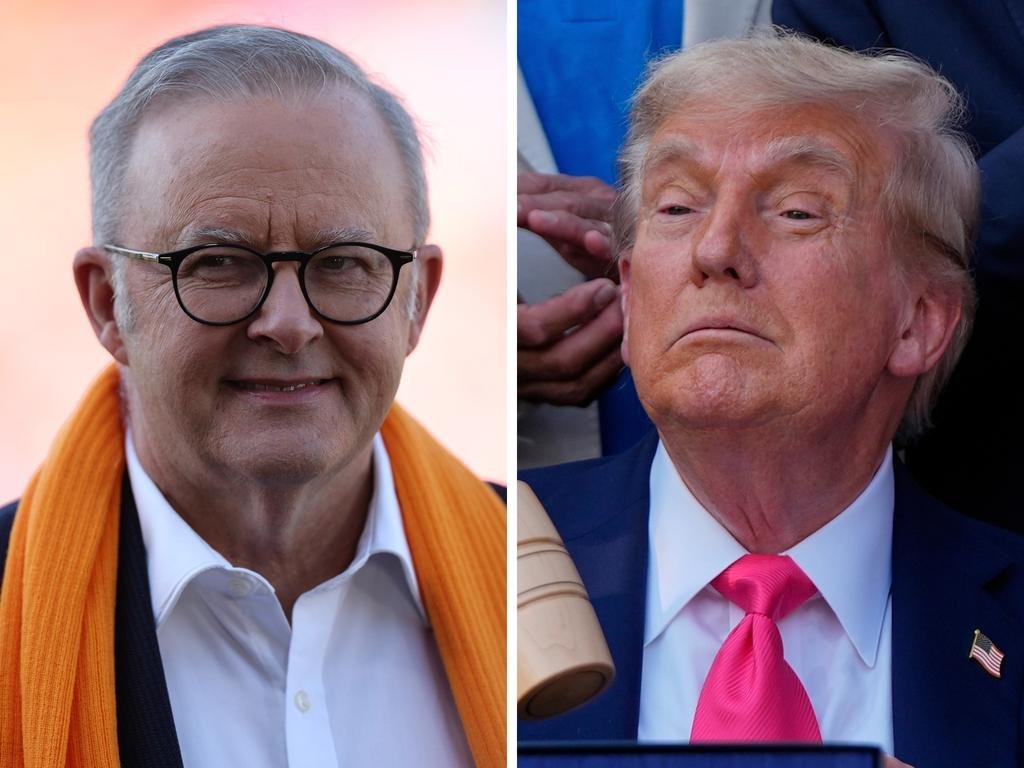
The US Supreme Court is set to rule on the legitimacy of Trump’s “reciprocal” tariffs, which could have major financial consequences for the US. Trade expert Felicity Deane says that if the tariffs are deemed illegal, the US might have to repay companies that have been paying tariffs. “It could be really interesting,” she says.
Australia Post has taken the extraordinary step of suspending many forms of shipping to the US, due to the end of an exemption for taxes on smaller-value goods. Fashion brand Apero is still struggling to integrate orders into the US using Australia Post’s systems and is starting the new year with a different e-commerce provider.
The Australian government pledged $50 million for stressed exporters in April, but details of what this meant only came months later. The funding has resulted in initiatives for fresh produce growers in Hong Kong, local companies that deal with Peru, and brokered meetings for fine foods brands. However, some Australian companies are still feeling frustrated about their interactions with Austrade.
“I think to the government, this is yesterday’s issue and businesses are on their own,” says Wilson. Trade Minister Don Farrell says that the Accessing New Markets Initiative (ANMI) has delivered “five business missions in our first 100 days of being re-elected” in May. However, some Australian companies are still waiting for meaningful support.
As the festive season wraps up, there has been more news about tariffs out of the US, with the president offering an olive branch for Italian pasta brands and delaying taxes on imported furniture. Professor Deane believes the situation with US tariffs is “settling down”, as Trump “has other problems to deal with”. Her advice to Australian exporters is to wait out the US Supreme Court decision on tariffs and be nimble. “Don’t limit your options when it comes to other markets,” she says.