
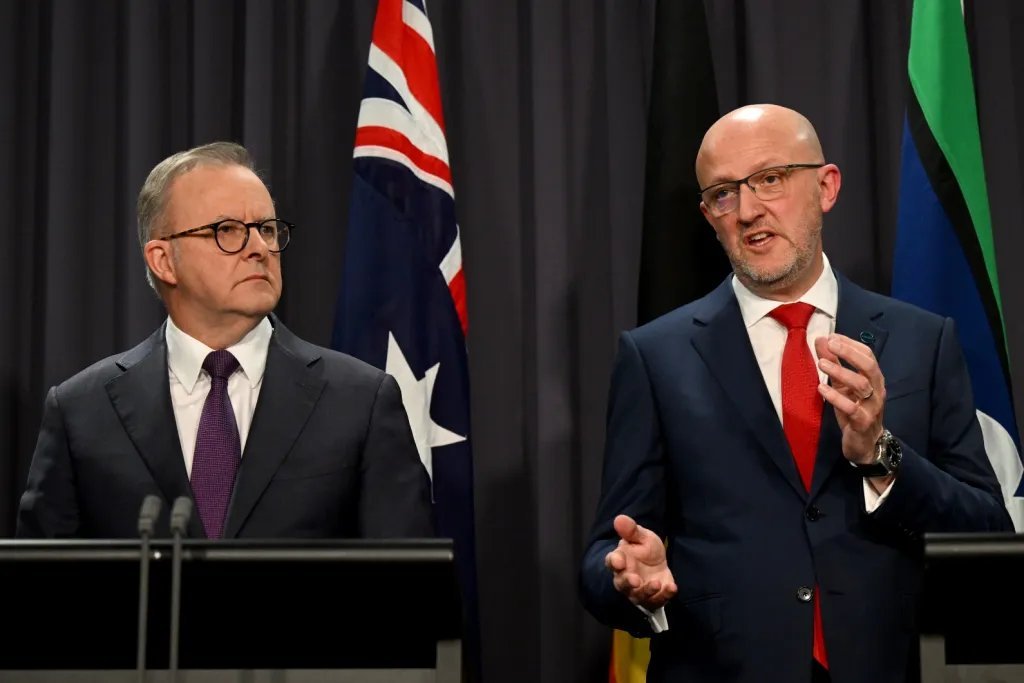
Anthony Albanese Defends Excluding Spy Chiefs from National Security Meetings Amid Fierce Criticism Over Deadly Bondi Terror Attack
- Prime Minister Anthony Albanese has sparked outrage after revealing intelligence chiefs were excluded from National Security Committee meetings during his government’s first term.
- The bombshell admission comes as the country grapples with the aftermath of the devastating December 14 Bondi terror attack, which has raised serious questions about Australia’s intelligence and policing services.
- Albanese has been accused of making a catastrophic mistake by excluding the spy chiefs, with critics warning it may have contributed to the tragedy.
In a fiery exchange with the ABC, Albanese defended his decision, insisting that the premise of the question was “wrong” and that his government had “completely engaged” with national security agencies.
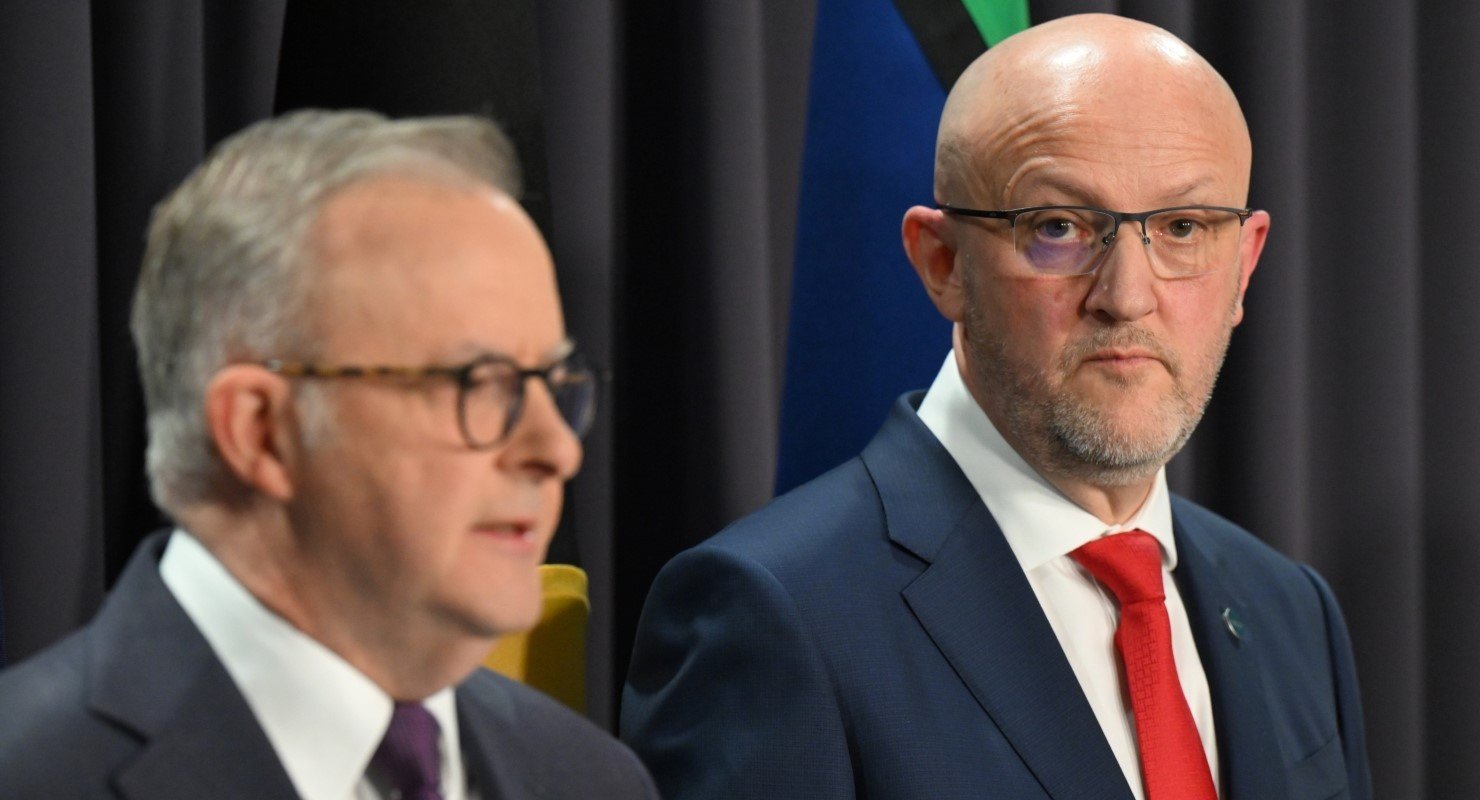
However, when pressed further, Albanese was forced to concede that ASIO Director-General Mike Burgess did not attend National Security Committee meetings for two years. But he claimed that Burgess was always present when intelligence matters were discussed.
The Prime Minister’s comments have sparked widespread criticism, with many questioning how the Bondi suspects, Sajid Akram and his son Naveed, were able to evade counter-terrorism authorities despite red flags being raised about their activities.
Akram, who was killed in the police response, had amassed six firearms since acquiring his gun licence in 2013, while his son Naveed had been investigated by intelligence officers in 2019 for consorting with members of an Islamic State cell in Sydney.
Naveed had also been frequenting an Islamic centre in Sydney’s west infamous for extremist preachings, which was shut down late last year after the local council found it did not hold necessary permits.
Albanese has announced a departmental probe into the country’s intelligence agencies and police forces to ensure information was flowing as needed, but critics argue it may be too little, too late.
NSW Premier Chris Minns has also weighed in, reserving the right to appoint an “independent person” to potentially probe security arrangements, particularly advice from the Jewish security service CSG to NSW Police and the potential arming of CSG employees.
Meanwhile, the opposition has welcomed a Commonwealth royal commission into the Bondi attack, but has slammed Albanese for not calling one earlier.
“He was dragged, kicking and screaming,” said Sussan Ley, who believes that if Albanese had shown the same determination to eradicate anti-Semitism as he had to avoid the royal commission, the country might not be in such a tough place.
Albanese has denied that he was forced into calling the royal commission, insisting that the decision was the product of careful consideration and that he had listened to the concerns of the community.
“I’ve engaged with families, I’ve sat down in people’s homes, I’ve had people to Kirribilli House, we’ve had people to Admiralty House,” he said. “I’ve determined that this is the right way forward.”
However, critics argue that the royal commission may not go far enough, with some calling for a wider investigation into alleged anti-Semitism on university campuses, in the arts sector, and in the Australian Human Rights Commission.
Julian Leeser, the Berowra MP and Jewish Australian, has urged the royal commission to probe these matters, warning that if it does not, it “cannot be taken seriously”.