
# The Perilous Embrace: Unpacking Australia’s Beach Safety Crisis After Gold Coast Tragedy
## Key Takeaways
* A young tourist’s drowning in a powerful rip current at a Gold Coast beach underscores the inherent dangers of Australia’s coastline, particularly during peak holiday periods.
* This incident marks the sixth drowning over the festive season, highlighting a broader national challenge in water safety and public awareness.
* Emergency services, led by dedicated surf lifesavers, are stretched to their limits, performing hundreds of rescues amidst rough conditions.
* The tragedy raises critical questions about the efficacy of current safety protocols, the specific vulnerabilities of international tourists, and the need for enhanced preventative measures and public education campaigns.
* A comprehensive, multi-faceted approach involving government, emergency services, and the public is essential to mitigate future risks and safeguard Australia’s iconic beaches.
***
## Introduction: A Paradise Under Peril
Australia, a nation defined by its stunning coastline and vibrant beach culture, annually draws millions to its shores. Yet, beneath the allure of sun-drenched sands and azure waters lies an inherent danger, a reality starkly brought into focus by a recent tragedy on the Gold Coast. The loss of a young tourist, swept away by a powerful rip current at a popular beach, serves as a poignant and urgent reminder of the ocean’s unforgiving power. This isolated incident, while heartbreaking in its own right, is not an anomaly but rather a critical data point in a disturbing trend of drownings that have marred the festive season. As the nation grapples with the grief and shock, a deeper examination of Australia’s beach safety infrastructure, public awareness campaigns, and the unique challenges posed by a diverse visitor demographic becomes imperative. This feature delves beyond the immediate headlines to explore the systemic issues, the tireless efforts of frontline responders, and the policy considerations necessary to ensure that Australia’s beaches remain a source of joy, not sorrow.
## The Incident Unfolds: A Desperate Battle Against the Current
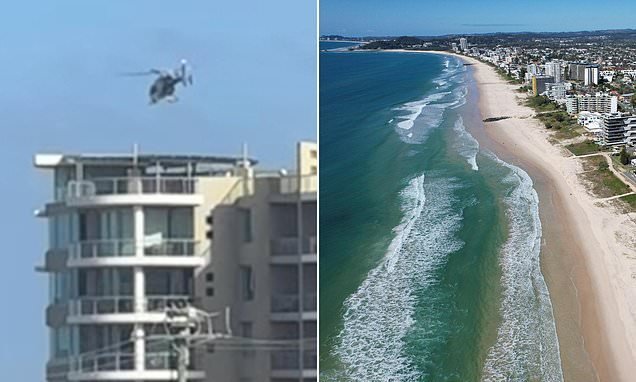
The serene afternoon of a recent Saturday quickly transformed into a scene of frantic emergency near Palm Beach, a renowned stretch of the Gold Coast. A group of four swimmers, enjoying what they believed to be a safe dip, found themselves suddenly engulfed by a powerful rip current, mercilessly dragging them away from the shore. The speed and ferocity of the ocean’s grip left little time for reaction, turning a leisurely swim into a desperate fight for survival.
Eyewitness accounts describe a rapid escalation from enjoyment to distress, prompting an immediate and massive emergency response. Surf lifesavers from three local clubs, their vigilance honed by countless hours of training and experience, were mobilised with extraordinary speed. Simultaneously, a police helicopter was dispatched, its rotors slicing through the air in a desperate aerial search, complementing the ground and water efforts. The coordinated response underscored the gravity of the situation, as every second counted in the battle against the relentless current.
While three of the swimmers were eventually located and pulled to safety, their ordeal leaving them shaken but alive, the fourth, a young man in his twenties, remained lost to the churning waters. When he was finally retrieved, paramedics on the scene immediately commenced resuscitation efforts, a valiant but ultimately futile struggle against the ocean’s irreversible claim. The tragic confirmation of his death sent a wave of profound shock and sorrow through the community, casting a pall over the festive atmosphere and serving as a stark, personal testament to the ocean’s unpredictable might. This single event, devastating for the victim’s family and friends, resonated far beyond the Gold Coast, echoing a broader national concern for water safety.
## The Silent Threat: Understanding Rip Currents
The primary antagonist in this Gold Coast tragedy, and countless others, is the rip current – an insidious and often misunderstood phenomenon. Rips are powerful, narrow currents of water flowing rapidly away from the shore, typically forming when waves break over a sandbar or reef, pushing water towards the beach. This water then seeks the path of least resistance to flow back out to sea, often through a deeper channel or a break in the sandbar.
Often appearing deceptively calm or as a darker patch of water amidst breaking waves, rips can be incredibly difficult for the untrained eye to identify. They can travel at speeds exceeding 2 metres per second, faster than an Olympic swimmer, making it virtually impossible to swim directly against them. Panic, a common reaction when caught in a rip, often leads to exhaustion and, tragically, drowning.
Education on rip currents is a cornerstone of beach safety. Key advice includes:
* **Staying calm:** Panicking expends vital energy.
* **Floating:** Conserve energy and allow the current to carry you.
* **Swimming parallel to the shore:** Rips are typically narrow; swimming sideways can help you escape the current’s pull.
* **Raising an arm:** Signal for help if you are unable to escape.
Despite extensive public awareness campaigns by organisations like Surf Life Saving Australia (SLSA), the inherent unpredictability of rips, coupled with human factors such as overconfidence, unfamiliarity with local conditions, or impaired judgment, continues to make them a leading cause of drownings on Australian beaches.
## A Season of Sorrow: Broader Drowning Statistics and Trends
The Gold Coast incident, while tragic, is not an isolated event but rather a grim punctuation mark in a concerning trend of water-related fatalities during Australia’s festive period. The fact that this marks the sixth drowning over the holidays underscores a systemic challenge that transcends geographical boundaries and specific circumstances.
Historically, the summer months, particularly the Christmas and New Year period, consistently record a spike in drownings. This surge can be attributed to several factors:
* **Increased Water Activity:** More people are on holiday, flocking to beaches, rivers, and pools.
* **Alcohol Consumption:** Festive celebrations often involve alcohol, which significantly impairs judgment, coordination, and the ability to react to danger.
* **Unfamiliar Environments:** Tourists, both domestic and international, may be unfamiliar with local conditions, including hidden hazards, strong currents, or sudden drop-offs.
* **Overestimation of Ability:** Individuals may overestimate their swimming prowess or underestimate the power of the water, especially after a period of inactivity.
* **Lack of Supervision:** Children, in particular, require constant, active supervision around water. Adults, too, can benefit from swimming with a buddy.
Data from Surf Life Saving Australia and the Royal Life Saving Society Australia consistently highlight these patterns. While beaches account for a significant portion of drownings, rivers, lakes, and even home swimming pools also contribute to the statistics. The demographics of victims often include young males, individuals from culturally and linguistically diverse backgrounds, and tourists, all groups that require targeted safety messaging. The cumulative toll of these incidents serves as a stark reminder that water safety is not merely a seasonal concern but a year-round imperative demanding continuous vigilance and proactive measures.
## The Frontline: Surf Lifesavers and Emergency Services
In the face of such relentless challenges, the role of Australia’s surf lifesavers and emergency services cannot be overstated. These dedicated individuals, a significant proportion of whom are volunteers, form the backbone of the nation’s beach safety apparatus. Their commitment, training, and rapid response capabilities are critical in preventing countless tragedies.
Since Christmas Day, surf lifesavers along the east coast have been pushed to their absolute limits, performing hundreds of rescues. This extraordinary volume of interventions speaks volumes about the hazardous conditions and the sheer number of people requiring assistance. Equipped with jet skis, inflatable rescue boats (IRBs), rescue boards, and advanced first aid skills, these lifesavers patrol designated swimming areas, monitor conditions, and educate the public. Their iconic red and yellow flags are not just symbols but vital indicators of safe swimming zones.
The Gold Coast incident showcased the seamless coordination between various emergency agencies:
* **Surf Life Saving Clubs:** Providing immediate water rescue and first aid.
* **Queensland Police Service:** Assisting with search and rescue, crowd control, and incident investigation.
* **Queensland Ambulance Service:** Delivering critical medical care and transport.
* **Rescue Helicopters:** Offering aerial surveillance and rapid deployment capabilities in expansive search areas.
This multi-agency approach is a testament to Australia’s robust emergency response framework. However, the sheer scale of the coastline, the unpredictable nature of the ocean, and the increasing number of beachgoers place immense pressure on these resources. Funding, volunteer recruitment, and continuous training are perpetual challenges that require ongoing governmental and community support to maintain the high standards expected.
## Targeting Tourists: A Unique Vulnerability
The tragic loss of a young tourist on the Gold Coast highlights a specific vulnerability within the broader beach safety discourse. International visitors, often drawn by Australia’s reputation for pristine beaches, may inadvertently expose themselves to risks due to a combination of factors:
* **Unfamiliarity with Local Conditions:** Many tourists come from landlocked countries or regions with different coastal environments. They may not be accustomed to the strength of Australian surf, the presence of rip currents, or the intensity of the sun.
* **Language Barriers:** Critical safety warnings, signage, and advice from lifesavers may not be fully understood by non-English speakers, diminishing the effectiveness of standard communication strategies.
* **Cultural Differences:** Attitudes towards risk, swimming abilities, and the concept of supervised swimming areas can vary significantly across cultures. Some may be less inclined to swim between the flags or seek advice from lifesavers.
* **Overconfidence and Underestimation:** The allure of a beautiful beach can lead to a false sense of security, causing individuals to overestimate their swimming abilities or underestimate the ocean’s power.
* **Lack of Swimming Proficiency:** While many tourists are competent swimmers, some may have limited experience in open water or surf conditions.
Addressing these vulnerabilities requires a targeted and multi-pronged approach. This includes developing multilingual safety campaigns, distributing information through tourism operators and accommodation providers, and potentially integrating safety briefings into visa application processes or airport arrivals. The goal is not to deter visitors but to empower them with the knowledge and respect necessary to enjoy Australia’s beaches safely.
## Public Awareness and Prevention Strategies
Australia has a long-standing tradition of public education regarding water safety, spearheaded by organisations like Surf Life Saving Australia and the Royal Life Saving Society Australia. Campaigns such as “Swim Between the Flags” are iconic and have undoubtedly saved countless lives. However, the recurring tragedies suggest that there is still work to be done.
Key prevention strategies include:
* **Swim Between the Flags:** This remains the single most important piece of advice for beachgoers. Patrolled areas are monitored by trained lifesavers who can identify and mitigate risks.
* **Know Your Limits:** Individuals should be honest about their swimming ability and not venture into conditions beyond their comfort zone.
* **Supervise Children:** Active, constant supervision of children around water is non-negotiable.
* **Avoid Alcohol and Drugs:** Impaired judgment is a significant contributing factor to drownings.
* **Check Conditions:** Before entering the water, observe the conditions, look for warning signs, and speak to lifesavers if unsure.
* **Learn to Identify Rips:** Understanding what a rip looks like and how to react if caught in one is crucial.
Beyond these individual responsibilities, there is a collective onus on communities, educators, and media to continually reinforce these messages. Innovative approaches, leveraging social media, virtual reality, and interactive educational tools, could enhance engagement, particularly with younger demographics and international visitors.
## Policy and Governance: Safeguarding Our Shores
The governance of beach safety in Australia is a complex, multi-layered responsibility involving federal, state, and local governments, alongside non-governmental organisations. While Surf Life Saving Australia operates nationally, its clubs are often supported by local councils and state governments.
Policy considerations include:
* **Funding for Surf Life Saving:** Ensuring adequate and sustainable funding for volunteer and professional lifesavers, equipment, and training is paramount.
* **Infrastructure Investment:** This includes the maintenance and upgrade of patrol towers, signage (including multilingual options), and emergency communication systems.
* **Data Collection and Research:** Robust data on drowning incidents, near-drownings, and rescue statistics is vital for identifying trends, understanding risk factors, and developing evidence-based prevention strategies. Research into rip current dynamics and beach morphology can also inform safety measures.
* **Tourism Sector Engagement:** Policies that mandate or encourage tourism operators to provide comprehensive water safety information to their clients, particularly international visitors, could be highly effective.
* **Curriculum Integration:** Exploring opportunities to integrate water safety education more comprehensively into school curricula.
* **Regulatory Frameworks:** Reviewing existing regulations for beach management, including zoning for different water activities and emergency response protocols.
The challenge lies in balancing the desire for public access to Australia’s natural beauty with the imperative of safety, all within the constraints of vast coastlines and finite resources. A proactive, rather than reactive, policy approach is essential to mitigate future tragedies.
## Analysis: Navigating the Complexities of Coastal Safety
The recent Gold Coast tragedy, alongside the broader pattern of festive season drownings, compels a deeper analytical look at Australia’s approach to coastal safety. While the nation boasts world-class surf lifesaving services and well-established public awareness campaigns, the persistent toll of drownings suggests inherent complexities that defy simple solutions.
One critical challenge lies in the **inherent unpredictability of nature**. Australia’s dynamic coastline is constantly shifting, with rip currents forming and dissipating rapidly, making universal, static safety measures difficult to implement. The sheer vastness of the coastline also means that only a fraction of beaches can be actively patrolled, leaving countless unpatrolled areas where individuals may unknowingly venture into danger.
Furthermore, **human behaviour remains a significant variable**. Despite warnings, individuals continue to take risks, whether through overconfidence, impaired judgment from alcohol, or a lack of understanding of the specific dangers. This is particularly pronounced among tourists who may lack the cultural context or lived experience of Australian beach conditions. The “she’ll be right” mentality, while an endearing aspect of Australian culture, can be dangerously misplaced when confronted with the ocean’s power.
The **effectiveness of current communication strategies** also warrants scrutiny. While “Swim Between the Flags” is widely recognised domestically, its resonance and understanding among international visitors, especially those with limited English proficiency, may be insufficient. There is a clear need for more targeted, multilingual, and culturally sensitive messaging, delivered through diverse channels that reach tourists at various touchpoints of their journey.
From a **policy perspective**, the multi-jurisdictional nature of beach management can sometimes lead to fragmentation. While collaboration is strong during emergencies, a more unified national strategy for preventative measures, resource allocation, and data sharing could enhance overall effectiveness. The balance between volunteer-driven services and professional support also needs continuous evaluation to ensure sustainability and capacity, especially as climate change potentially brings more extreme weather events and rougher surf conditions.
Finally, the **economic and reputational implications** of such tragedies, while secondary to the human cost, cannot be ignored. Australia markets itself as a safe, idyllic destination. A perception of unsafe beaches, even if statistically rare compared to the millions of safe visits, could have long-term impacts on the vital tourism sector. This provides an additional impetus for governments and tourism bodies to invest proactively in safety.
In essence, the analysis reveals that while Australia has robust systems in place, the dynamic interplay between natural forces, diverse human behaviours, and the limitations of resources creates a complex safety landscape. Addressing this requires not just more of the same, but an adaptive, innovative, and deeply collaborative approach that constantly re-evaluates and refines strategies.
## Conclusion: A Collective Responsibility for Safer Shores
The tragic drowning on the Gold Coast serves as a potent and painful reminder that Australia’s beautiful beaches, while offering unparalleled recreation, demand profound respect and vigilance. It is a stark illustration of the ocean’s raw power and the critical importance of water safety awareness. The incident, amplified by the broader context of multiple festive season drownings, underscores a national challenge that requires more than just reactive responses; it demands a proactive, comprehensive, and sustained commitment from all stakeholders.
From the tireless dedication of surf lifesavers and emergency services who stand as the last line of defence, to the critical role of public education and targeted campaigns for vulnerable populations like international tourists, every element of the safety ecosystem must be continually strengthened. Governments, at all levels, bear the responsibility of ensuring adequate funding, robust infrastructure, and coherent policy frameworks that support these efforts.
Ultimately, however, the onus of safety also rests significantly with the individual. The simple yet life-saving act of swimming between the flags, understanding the dangers of rip currents, and making informed decisions around water are paramount. Australia’s beaches are an integral part of its identity and a source of immense national pride. By fostering a culture of heightened awareness, shared responsibility, and continuous improvement in safety measures, we can collectively strive to ensure that these iconic shores remain places of joy and wonder, rather than sites of preventable tragedy. The memory of those lost demands nothing less.