
Greenland Standoff: Denmark Refuses to Budge as Trump Administration Ramps Up Pressure for US Takeover
- Danish Foreign Minister Lars Rasmussen declares US acquisition of Greenland “totally unacceptable” after high-level talks at the White House
- US Vice-President JD Vance and Secretary of State Marco Rubio meet with Danish and Greenlandic officials to discuss Arctic security and potential US takeover
- Denmark and Greenland agree to form high-level working group to explore common ground, but maintain firm stance against US acquisition
- Greenlanders express relief that meeting did not escalate into conflict, but remain wary of US intentions
The United States and Denmark have reached a stalemate in their negotiations over the future of Greenland, with the Danish government refusing to budge on its opposition to a US takeover. The standoff comes after a meeting between high-level officials from both countries, including US Vice-President JD Vance and Secretary of State Marco Rubio, and Danish Foreign Minister Lars Rasmussen and Greenlandic Foreign Minister Vivian Motzfeldt.
The meeting was sparked by President Donald Trump’s renewed claims that the US needs to acquire Greenland to counter Russian and Chinese aggression in the Arctic. However, Rasmussen was quick to dismiss this notion, stating that while Denmark shares the US’s concerns about the changing security environment in the Arctic, it does not believe that a US takeover of Greenland is necessary.
“The big difference is whether that must lead to a situation where the US acquires Greenland, and that is absolutely not necessary,” Rasmussen said. “We have decided to form a high-level working group to explore if we can find a common way forward. The group, in our view, should focus on how to address the American security concerns, while at the same time respecting the red lines of the Kingdom of Denmark.”
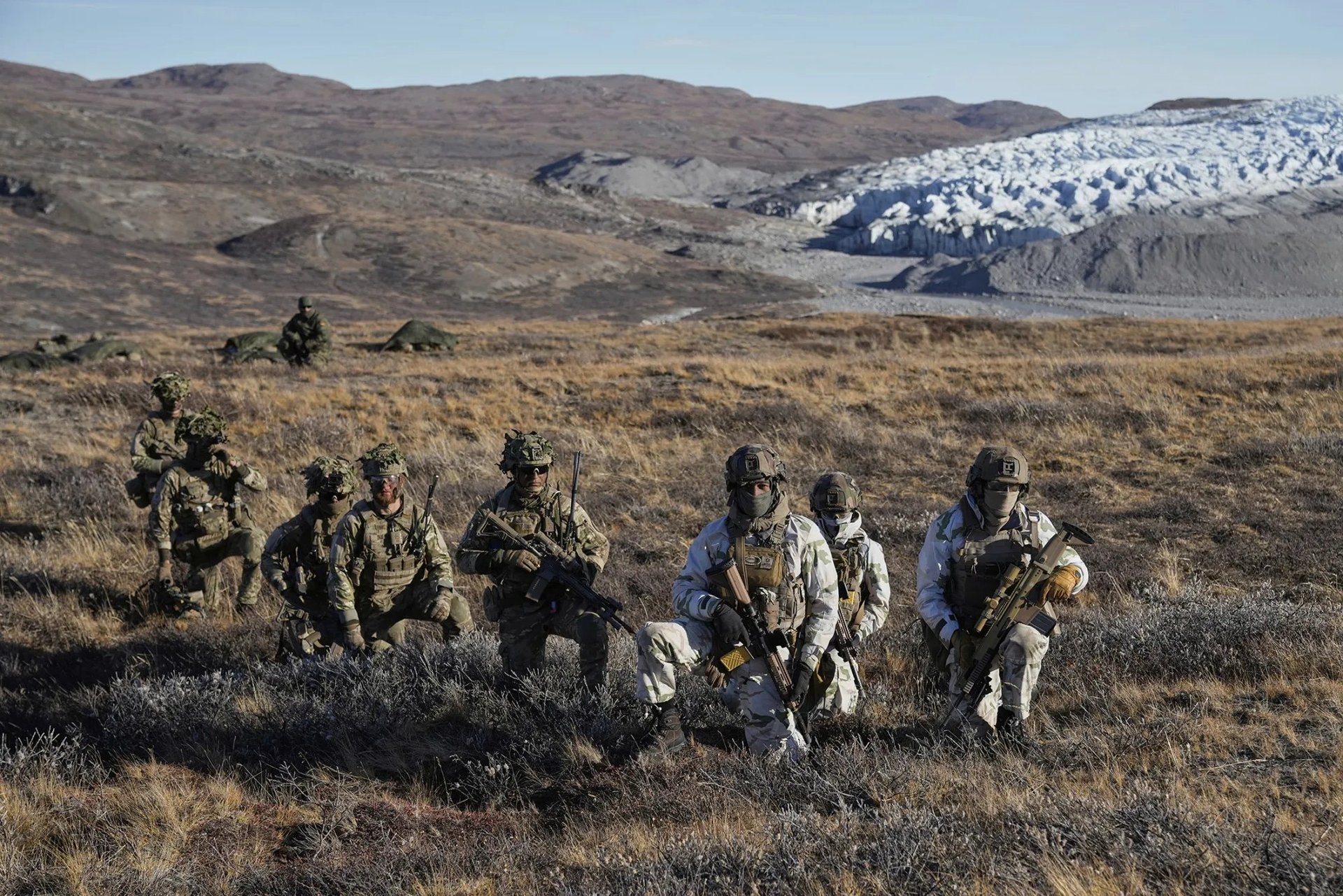
Denmark has been increasing its military presence in Greenland in recent months, with Sweden, France, and Norway also sending armed forces to the island at Denmark’s request. Germany is also set to send 13 soldiers to Greenland as part of a reconnaissance mission to explore increasing security in the region.
Despite the tensions, Greenland’s Foreign Minister Vivian Motzfeldt emphasized the importance of cooperation between the US and Greenland, stating that the two countries are “allies” and “friends” and need to strengthen their cooperation. However, she was quick to add that this does not mean that Greenland wants to be “owned” by the US.
The meeting between the US and Danish officials was described as “frank” and “constructive,” but it remains to be seen whether the two sides can find common ground on the issue of Greenland’s future. Rasmussen refused to comment on whether the meeting led to any sort of compromise, stating that it was not the “proper place to elaborate.”
The dispute over Greenland’s future has significant implications for Australia, particularly in terms of national security and the country’s relationships with key allies. As the US continues to assert its dominance in the Arctic region, Australia must carefully consider its own position and interests in the region.
Analysis: What This Means for Australia
The standoff between the US and Denmark over Greenland’s future has significant implications for Australia’s national security and foreign policy. As a key ally of the US, Australia must carefully consider its own position on the issue and how it may impact the country’s relationships with other nations in the region.
Security analysts say that the US’s aggressive pursuit of Greenland is likely to have far-reaching consequences for the region, including the potential for increased militarization and competition for resources. This could have significant implications for Australia’s own security and defense strategy, particularly in terms of the country’s relationships with key allies and its involvement in regional security initiatives.
Law enforcement insiders warn that the dispute over Greenland’s future could also have significant implications for Australia’s law enforcement and border control efforts. As the US continues to assert its dominance in the Arctic region, Australia must be prepared to respond to potential security threats and ensure that its own borders and interests are protected.
Industry observers believe that the standoff between the US and Denmark over Greenland’s future could also have significant economic implications for Australia. As the US continues to pursue its interests in the Arctic region, Australia must carefully consider its own economic interests and how they may be impacted by the dispute.
Ultimately, the dispute over Greenland’s future serves as a reminder of the complex and often competing interests at play in the Arctic region. As Australia navigates its own relationships and interests in the region, it must be prepared to respond to the challenges and opportunities that arise from this dispute.