
Greenland on High Alert as US and European Troops Converge on Arctic Island Amid Fears of War
- The US and European powers are sending troops to Greenland, escalating tensions in the Arctic region
- Donald Trump’s administration has threatened to take over the island, sparking fears of military action
- The move has sparked a showdown between the US and its NATO allies, with experts warning of a potential breakdown in diplomatic relations
The Pituffik Space Base, the only US military base in Greenland, has become a flashpoint in a brewing international crisis. The US and European powers are sending troops to the Arctic island, escalating tensions in the region and sparking fears of war. At the heart of the crisis is US President Donald Trump’s threat to take over Greenland, which he claims is essential for national security. But Denmark and Greenland have rejected the proposal, and European allies are now sending troops to the island in a show of support.
The Pituffik Space Base, built in the 1950s to counter the Soviet Union’s missiles and bombers, has been at the center of US military operations in Greenland for decades. Today, it is the only remaining US base on the island, with around 200 troops stationed there. But the base’s significance goes beyond its military presence – it is also a symbol of the US’s strategic interests in the Arctic region.
The current crisis began when Trump threatened to take over Greenland, citing national security concerns. But experts say the move is motivated by a desire to gain control over the island’s natural resources and strategic location. “If you take that argument seriously about a wider security threat or a wider concern when it comes to Russia or China, then you would imagine that the US would just utilize the opportunity it already has to station more troops,” said Professor Andreas Østhagen, a researcher at Norway’s Fridtjof Nansen Institute.
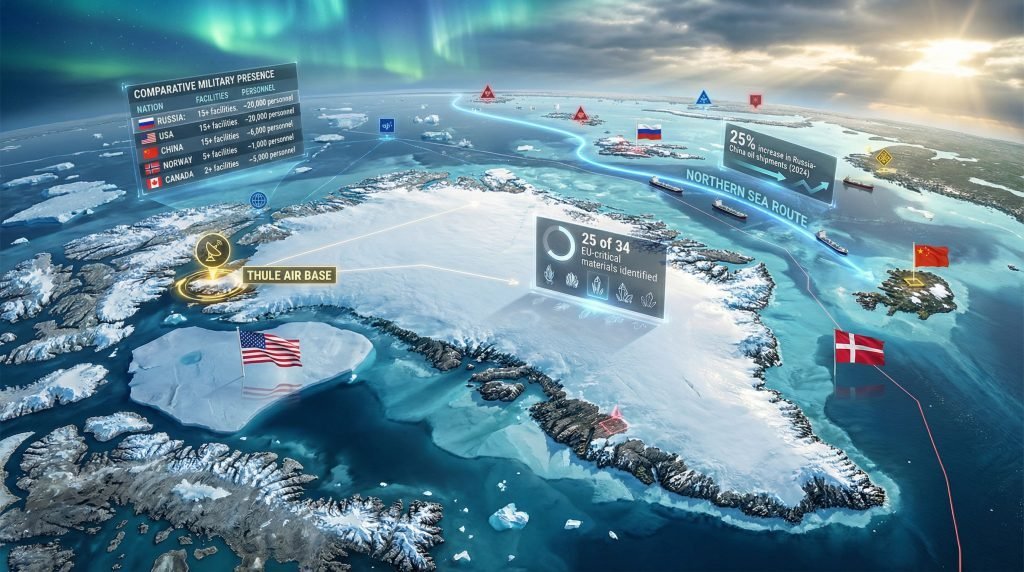
Despite the US’s claims, experts say the threat to Greenland from Russia and China is insignificant. “You could, of course, say that there could be a Russian threat due to ballistic missiles or submarines,” said Professor Østhagen. “But Greenland is not more under threat from Russia than other parts of the Arctic.”
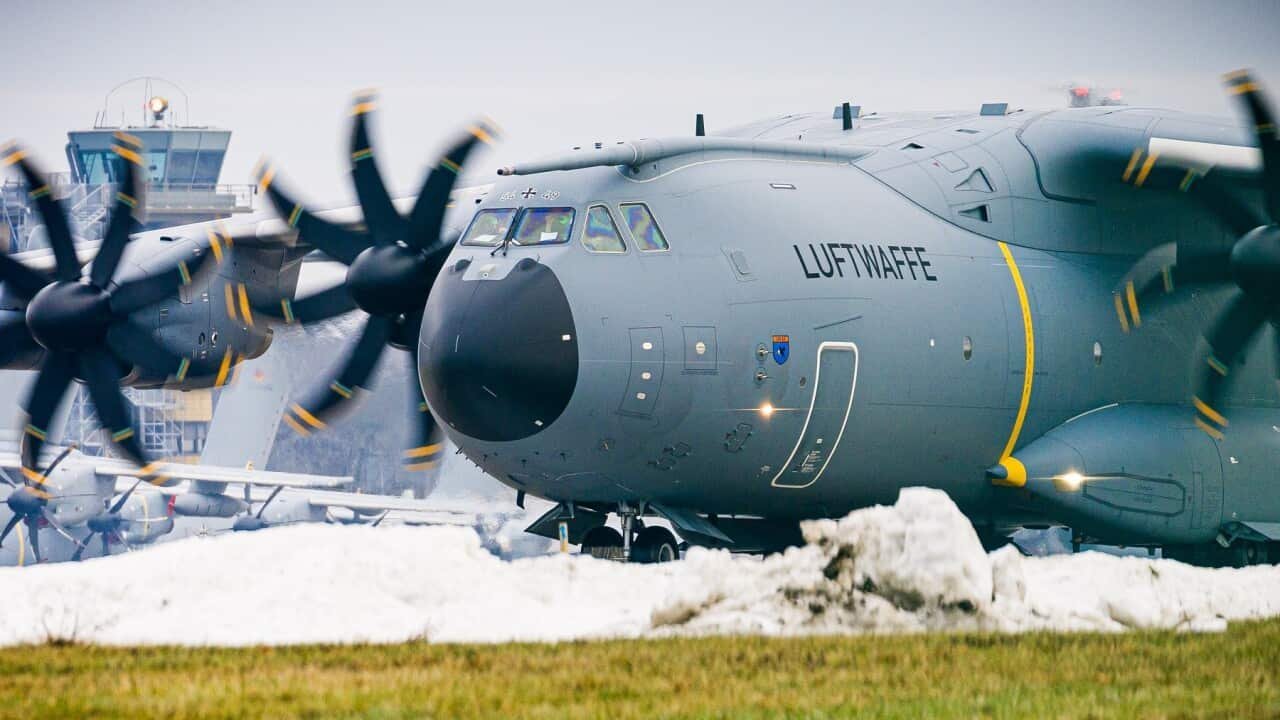
The European response to the crisis has been swift and decisive. Several NATO allies, including Germany, France, Norway, Finland, and Sweden, have announced plans to send troops to Greenland at Denmark’s request. The move is seen as a symbolic gesture to show unity within Europe and to signal to the US that there is a cost to its actions.
Analysis: What This Means for Australia
The crisis in Greenland has significant implications for Australia’s national security and economic interests. As a key player in the Asia-Pacific region, Australia is closely watching the developments in the Arctic, where China and Russia are increasingly asserting their presence. The US’s actions in Greenland could have a ripple effect on the global security landscape, potentially drawing Australia into a conflict that is far from its shores.
Security analysts say that the US’s pursuit of Greenland could lead to a breakdown in diplomatic and security relations between the US and its NATO allies, potentially creating a power vacuum in the Arctic region. “If the US were actually to push this further, not only rhetorically, but also by other means, use of military force, then the downfall would be the break-up of the NATO alliance,” said Professor Østhagen.
Law enforcement insiders warn that the crisis could also have implications for Australia’s border security, as the Arctic region becomes increasingly important for global trade and commerce. “The Arctic region is becoming a hotbed of activity, and Australia needs to be prepared to respond to any potential threats that may arise,” said a senior law enforcement official.
Industry observers believe that the crisis could also have significant economic implications for Australia, particularly in the resources sector. “The Arctic region is rich in natural resources, and any conflict or instability in the region could have a major impact on global commodity prices,” said an industry expert.