
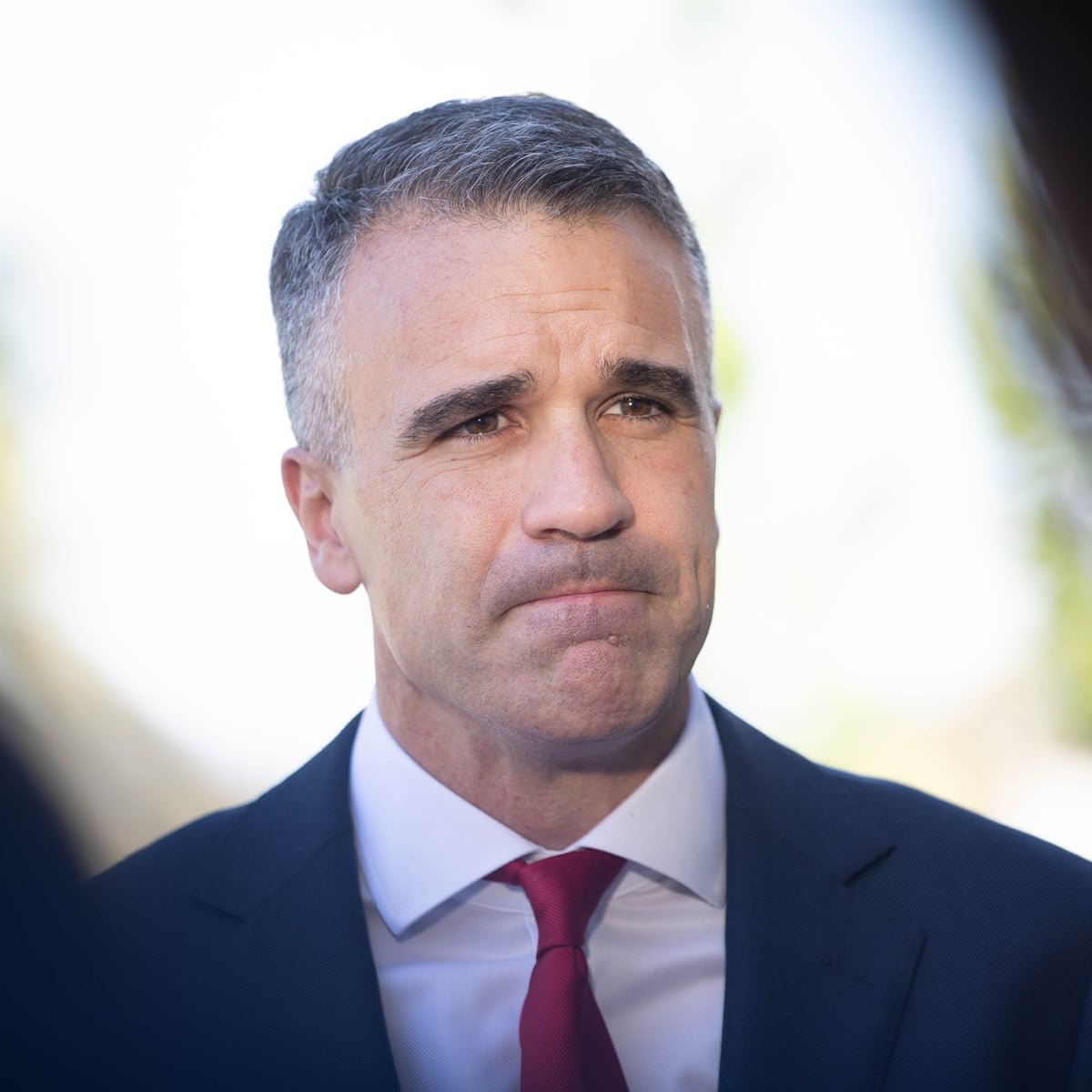
SA Premier Refuses to Apologise to Axed Palestinian Author Amid Backlash Over ‘Cultural Sensitivities’
- South Australian Premier Peter Malinauskas stands firm in his decision not to apologise to Dr Randa Abdel-Fattah, who was cut from the Adelaide Writer’s Festival due to “cultural sensitivities” following the Bondi shooting.
- Abdel-Fattah was axed from the 2026 program after the Adelaide Festival board declared it would be “culturally insensitive” to feature her “so soon after Bondi”, referencing the December massacre at Bondi Beach.
- The Premier’s refusal to apologise has sparked outrage, with critics accusing him of perpetuating “anti-Palestinian racism” and undermining free speech.
The South Australian Premier is under fire for refusing to apologise to a Palestinian author who was axed from a writer’s festival due to “cultural sensitivities” following the deadly Bondi shooting that targeted a Jewish event. Dr Randa Abdel-Fattah was cut from the 2026 program after the Adelaide Festival board declared it would be “culturally insensitive” to feature her “so soon after Bondi”, referencing the December massacre at Bondi Beach.
Premier Peter Malinauskas is standing firm in his decision not to apologise, despite the Adelaide Writer’s Festival organisers issuing a grovelling apology to Abdel-Fattah and inviting her to speak at the event in 2027. Malinauskas told reporters that he “does not support” the new board of the Adelaide Festival’s decision to re-invite Abdel-Fattah to next year’s festival, citing “facts and principle” as the basis for his stance.
The backlash against Malinauskas has been swift and fierce, with critics accusing him of perpetuating “anti-Palestinian racism” and undermining free speech. The Australia Palestine Advocacy Network’s (APAN) president Nasser Mashni, a Palestinian refugee and financial services businessman, called the Abdel-Fattah axing “anti-Palestinian racism”, stating that “when a Palestinian writer is singled out and removed from a public platform because of who she is and what she represents, that is racism.”
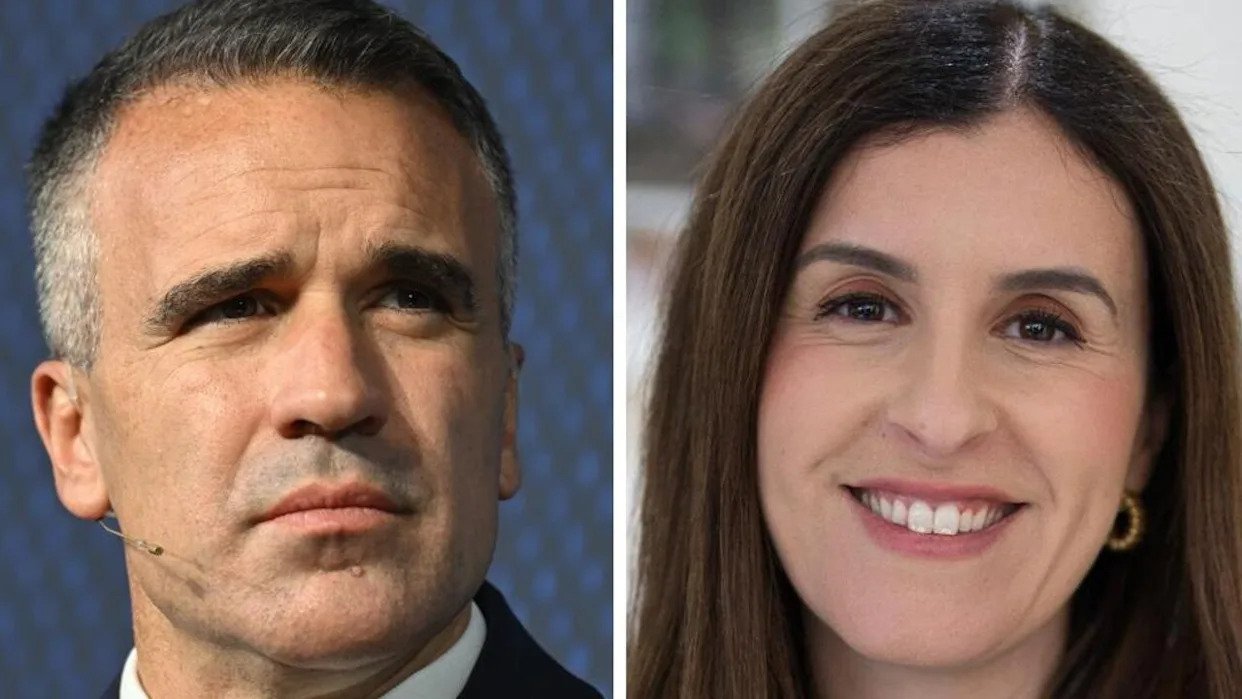
Mashni slammed the Adelaide Festival board’s decision, saying it was “wrong and racist” to link Abdel-Fattah to the Bondi shooting, which she had no connection to. “You do not address grief or trauma by scapegoating Palestinians or suppressing their voices,” he said.
The controversy has sparked a heated debate about free speech, with Mashni arguing that Palestinians are not asking for special treatment, but rather not to be silenced while others are invited to speak over them, define them, or justify their erasure. “There is a profound difference between robust debate and giving platforms to ideas that deny a people’s existence or humanity,” he said.
Analysis: What This Means for Australia
The Abdel-Fattah controversy has far-reaching implications for Australia, highlighting the country’s struggles with cultural sensitivity, free speech, and the treatment of minority groups. The incident has sparked concerns about the erosion of free speech and the silencing of marginalized voices, with many arguing that the decision to axe Abdel-Fattah was a form of censorship.
The controversy also raises questions about the role of government in promoting cultural understanding and tolerance. Malinauskas’ refusal to apologise has been seen as a failure of leadership, with many calling for him to take a more conciliatory approach to addressing the concerns of minority groups.
Security analysts say that the incident highlights the need for greater understanding and education about the complexities of the Middle East conflict and its impact on Australian communities. “The controversy surrounding Abdel-Fattah’s axing is a symptom of a broader issue – the lack of understanding and empathy towards minority groups in Australia,” said one security expert.
Law enforcement insiders warn that the controversy could have broader implications for community safety, with the suppression of minority voices potentially fueling resentment and anger. “When marginalized groups feel silenced or excluded, it can create a sense of disenfranchisement and disillusionment, which can have serious consequences for community safety,” said one law enforcement source.
Industry observers believe that the controversy will have a lasting impact on the cultural landscape of Australia, highlighting the need for greater diversity and inclusion in the arts and cultural sectors. “The Abdel-Fattah controversy is a wake-up call for Australia’s cultural institutions – it’s time to take a hard look at our own biases and prejudices and work towards creating a more inclusive and tolerant society,” said one industry expert.