
Bondi Terror Attack: Heartbroken Parents of 10-Year-Old Victim Slam Proposed Hate Speech Laws as ‘Symbolic’ and Ineffective
- Valentyna Poltavchenko and Michael Britvan, parents of Matilda, the youngest victim of the Bondi terror attack, express little confidence in proposed federal hate laws
- The laws, aimed at cracking down on hate speech, are seen as “symbolic” and may fail to address violent extremism, according to the grieving parents
- The couple, who are originally from Ukraine, warn that rushing legislation through parliament after a tragedy could have unintended consequences
- They support a royal commission into the Bondi attack but are sceptical it will deliver answers
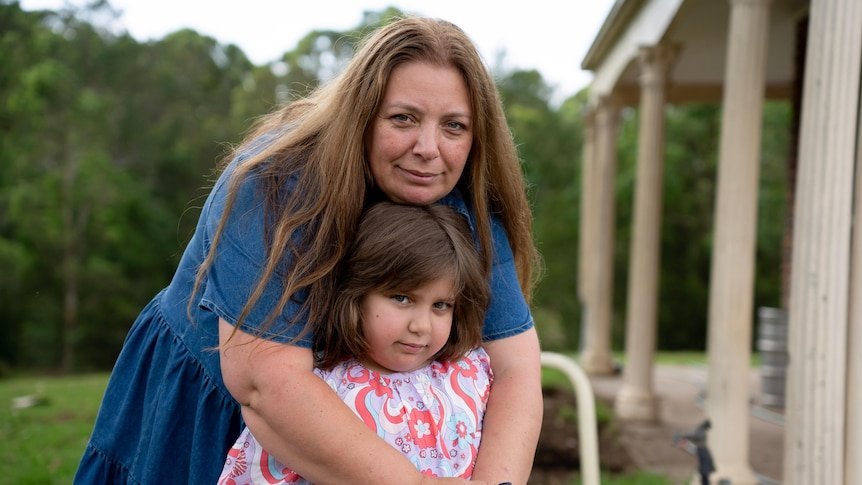
In the wake of the devastating Bondi terror attack, the parents of 10-year-old Matilda, the youngest victim, have spoken out against the proposed federal hate speech laws, labelling them as “symbolic” and ineffective in preventing another act of mass violence. Valentyna Poltavchenko and Michael Britvan, who are still reeling from the loss of their daughter, believe the government’s response risks being more focused on appearance than actual change.
The proposed legislation, set to be introduced by Prime Minister Anthony Albanese, aims to crack down on hate speech, including blacklisting hate groups and deporting migrants who disseminate hate. However, Matilda’s parents argue that these measures will do little to address the root causes of violent extremism. “They are usually to control law-abiding people and not the criminals, because criminals do not care about any laws you make about any speech or any guns. They will find their way,” said Ms Poltavchenko.
The couple, who met in Sydney after moving from Ukraine, have been left shaken by the attack, which has changed their perception of Australia as a safe haven. They warn that rushing legislation through parliament after a tragedy could have unintended consequences, and that the government’s response must be thoughtful and considered. “We should look forward and see what we can do to change the situation, for people to be free and safe,” said Ms Poltavchenko.
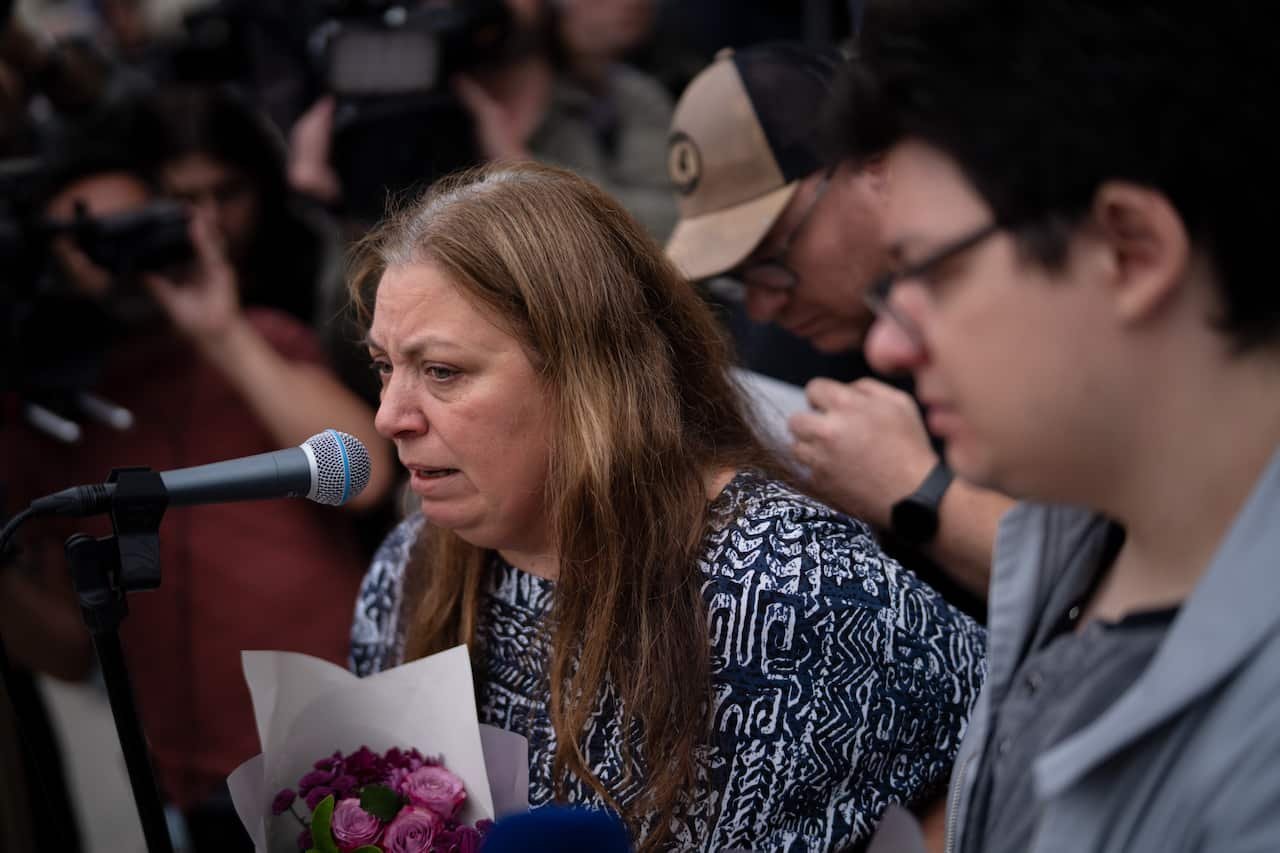
Over the past 18 months, the couple has experienced a sharp rise in antisemitism in Sydney, often making them feel unsafe in public. They point to events such as the pro-Palestinian rally across the Harbour Bridge, which drew a crowd of 90,000 people, and a video showing two nurses allegedly boasting about killing Israeli patients. “We feel antisemitism in the news, on TV, non-stop antisemitism,” said Mr Britvan.
While the parents support calls for a federal royal commission into the Bondi attack, which will examine how the perpetrators were able to carry out the shooting, they are sceptical it will deliver answers. “I don’t trust [the federal government] to do any checking on themselves,” said Mr Britvan. “I do support [a royal commission] and I hope it’s effective, but my hopes are very low.”
Analysis: What This Means for Australia
The Bondi terror attack has raised serious questions about national security and community safety in Australia. The attack has highlighted the need for a comprehensive approach to addressing violent extremism, rather than simply relying on symbolic gestures. The government’s response must be thoughtful and considered, taking into account the complex factors that contribute to such attacks. “Security analysts say that the government must move beyond tokenistic measures and focus on addressing the root causes of violent extremism,” said one expert. “This requires a nuanced understanding of the complex factors that drive radicalisation, including social, economic, and political factors.”
Law enforcement insiders warn that the attack has exposed weaknesses in Australia’s counter-terrorism strategy, which must be urgently addressed. “The Bondi attack has shown that we need to do more to prevent radicalisation and to address the spread of hate speech,” said one insider. “This requires a whole-of-government approach, involving not just law enforcement but also social services, education, and community organisations.”
The impact of the attack on the Australian community has been profound, with many feeling a sense of unease and uncertainty. The government’s response must be sensitive to these concerns, while also addressing the underlying causes of the attack. “Industry observers believe that the government must take a leadership role in promoting community cohesion and addressing social divisions,” said one expert. “This requires a commitment to inclusive policymaking and a willingness to engage with diverse community groups.”