
Australia on High Alert as Deadly Lumpy Skin Disease Spreads to Bali, Threatening to Wipe Out Cattle Industry
- Lumpy skin disease, a highly infectious and deadly virus, has been detected on the Indonesian island of Bali, sparking fears of a catastrophic outbreak in Australia’s cattle industry.
- If the virus reaches Australia, it could cost the industry billions of dollars and have devastating consequences for rural communities and the national economy.
- Biosecurity authorities and industry leaders are urging producers to remain vigilant, but calm, as they monitor the situation and prepare for the worst-case scenario.
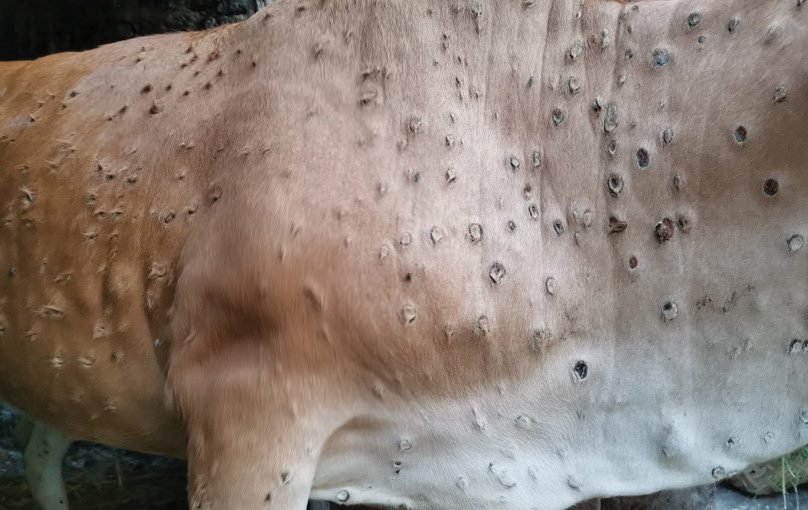
Australia’s cattle industry is bracing for a potential disaster as lumpy skin disease, a highly infectious and deadly virus, spreads to the Indonesian island of Bali. The virus, which causes skin lesions, fever, loss of appetite, and decreased milk production in cattle and buffalo, has been detected in Bali, sparking fears of a catastrophic outbreak in Australia.
The northern cattle industry is on high alert, with authorities and industry leaders urging producers to remain vigilant, but calm, as they monitor the situation and prepare for the worst-case scenario. “It’s important to be alert and not alarmed,” said Romy Carey, chief executive of the Northern Territory Cattlemen’s Association (NTCA).
Lumpy skin disease was first detected in Indonesia in 2022, and its spread to Bali has raised concerns about the potential for it to reach Australia. If it does, the consequences would be devastating, with estimates suggesting an outbreak could cost the economy $80 billion over 10 years.
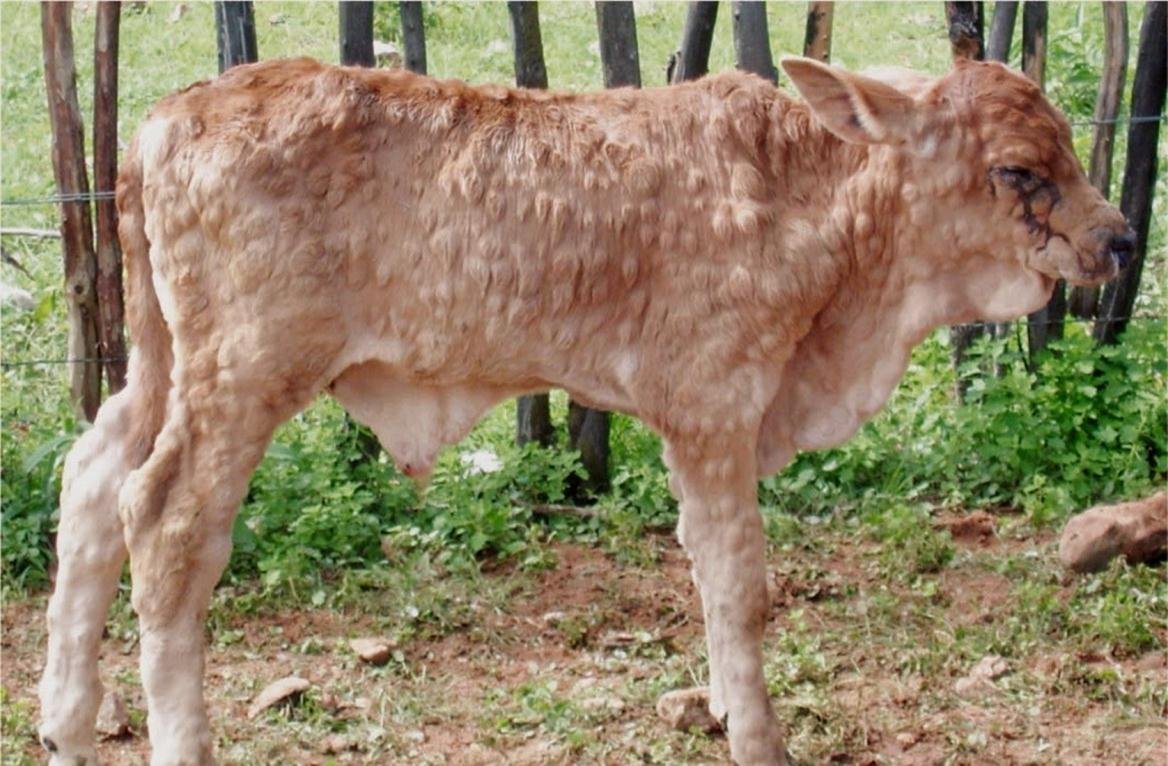
The Australian cattle industry is worth billions of dollars, and an outbreak of lumpy skin disease would have significant biosecurity and financial consequences. The industry is taking the threat seriously, with authorities and industry leaders working together to prepare for the worst-case scenario.
Analysis: What This Means for Australia
The detection of lumpy skin disease in Bali is a timely reminder of the importance of strong biosecurity measures to reduce the risk of livestock diseases. “The industry practice is that if you’ve been to a place, particularly with foot and mouth disease … you should not come into contact with livestock for seven days,” said NT chief veterinary officer Rob Williams.
Security analysts say that the spread of lumpy skin disease to Bali highlights the need for Australia to remain vigilant and proactive in its biosecurity efforts. “The Australian government will never compromise on biosecurity,” said a federal Department of Agriculture, Fisheries and Forestry spokesperson.
Industry observers believe that the detection of lumpy skin disease in Bali is a wake-up call for Australia’s cattle industry, highlighting the need for robust biosecurity measures and preparedness plans. “The industry is prepared for LSD,” said Dr. Williams. “We’ve been looking at our early warning systems, surveillance in our cattle populations, and particularly preparing with vaccinations.”
The Australian government is working closely with its Indonesian counterpart to better understand the situation in Bali and to develop a coordinated response to the threat of lumpy skin disease. The government’s strict biosecurity regime has reduced the risk of an outbreak, but the industry remains on high alert.