

Trump Backs Down on Greenland Invasion Threat as NATO Deal Takes Shape
- US President Donald Trump has abandoned plans to use military force to acquire Greenland, following talks with NATO’s secretary-general.
- The development comes as Trump announced a “framework of a future deal” on Greenland, which could involve the country’s natural resources.
- The agreement is seen as a major win for European leaders, who had been bracing for a potential trade war and invasion.
After a dramatic and rambling speech at the World Economic Forum, US President Donald Trump has backed down on his threat to invade Greenland, announcing a “framework of a future deal” with NATO’s secretary-general, Mark Rutte. The agreement could involve Greenland’s natural resources, Trump said, and marks a significant shift in the US president’s stance on the Arctic territory.
In a series of tweets, Trump revealed that he had held a “very productive” meeting with Rutte, which had resulted in a potential “framework for a future deal” on Greenland. The development comes as a major relief to European leaders, who had been bracing for a potential trade war and invasion following Trump’s initial threats.
Trump’s initial speech at the World Economic Forum had sparked widespread concern, as he suggested that the US would need to “go through hundreds of feet of ice” to access Greenland’s rare earth resources. However, he later clarified that the real reason for his interest in Greenland was “strategic national security and international security.”
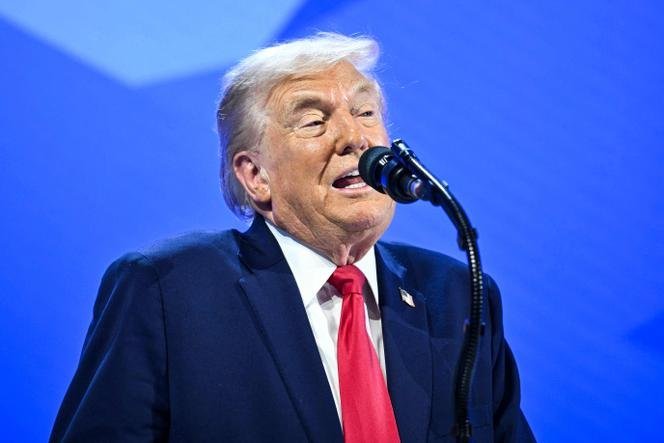
The NATO secretary-general’s office later confirmed that discussions among NATO allies would focus on ensuring Arctic security through collective efforts, particularly from the seven Arctic allies. The Western military alliance also emphasized that negotiations between Denmark, Greenland, and the US would aim to prevent Russia and China from gaining a foothold in Greenland.
The development is seen as a major win for European leaders, who had been pushing back against Trump’s aggressive stance on Greenland. Denmark’s foreign minister, Lars Løkke Rasmussen, welcomed Trump’s announcement, saying “the day ends better than the day started.” However, he also emphasized that “it is not going to happen that the USA will own Greenland. That is a red line.”
Analysis: What This Means for Australia
The Trump-Rutte deal has significant implications for Australia’s national security and international relations. As a key ally of the US, Australia has a vested interest in ensuring the stability of the Arctic region. The agreement could also have implications for Australia’s own natural resource exports, particularly rare earth minerals.
Security analysts say that the deal highlights the importance of collective security efforts in the face of growing global threats. “This agreement shows that even in the face of aggressive posturing, diplomacy and cooperation can still prevail,” said one analyst. “It’s a welcome development for Australia and the broader international community.”
The deal also underscores the need for Australia to diversify its trade relationships and enhance its own military capabilities. As European leaders increasingly look to strengthen their own defence relationships and trade links, Australia must do the same to maintain its position in the global landscape.
In the end, Trump’s backtrack on Greenland is a victory for diplomacy and a reminder that even in the era of Twitter diplomacy, traditional diplomatic efforts can still yield results. As the world breathes a sigh of relief, Australia must take note of the lessons learned and adapt its own foreign policy strategy to meet the changing global landscape.