
Death Toll Rises in Indonesia’s West Java Landslide: 7 Killed, 82 Missing as Heavy Rain Wreaks Havoc
- At least 7 people confirmed dead, 82 others feared trapped after devastating landslide in West Java province
- Heavy rain sparks disaster, with weather agency warning of extreme weather conditions in the region
- Rescue efforts hampered by treacherous terrain, with officials racing against time to find survivors
- Landslide highlights Indonesia’s vulnerability to natural disasters, with millions living in high-risk areas
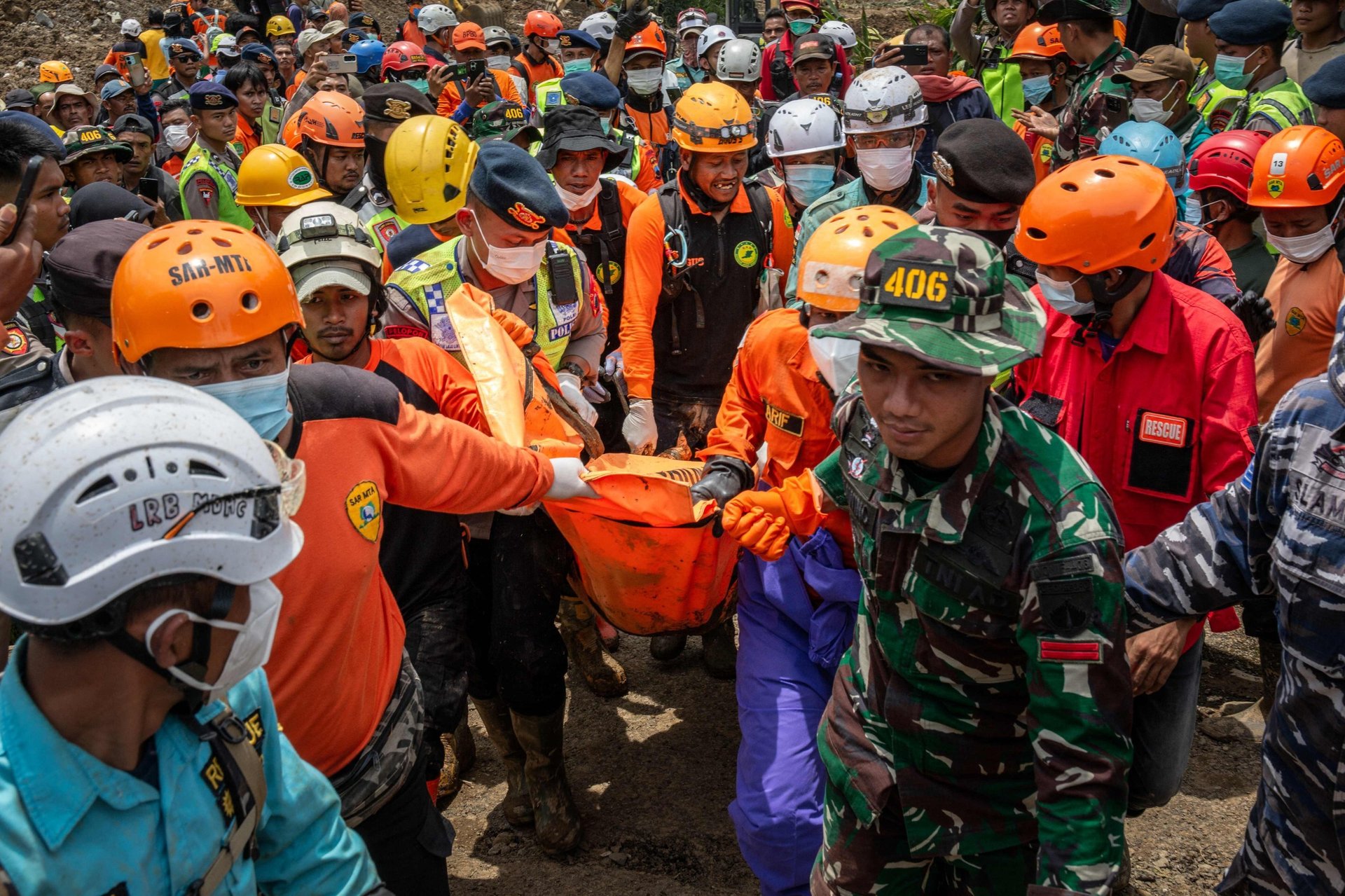
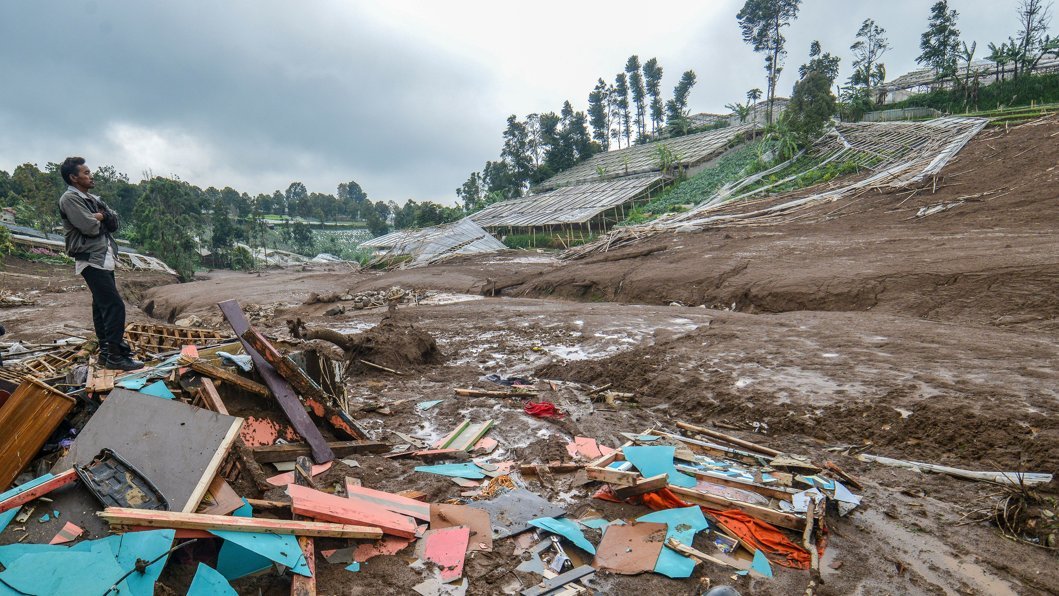
The death toll continues to rise in Indonesia’s West Java province, where a massive landslide has claimed the lives of at least seven people, with a further 82 reported missing. The disaster struck on Saturday, amid reports of heavy rain in the region, which is prone to landslides and floods during the seasonal downpours.
According to local officials, the landslide occurred in a village in the West Bandung region, with the number of missing persons described as “high”. Indonesia’s disaster mitigation agency has vowed to “optimise” its search and rescue efforts, but the task is being hindered by the treacherous terrain.
The tragedy serves as a stark reminder of Indonesia’s vulnerability to natural disasters. The country, which is comprised of 17,000 islands, is home to millions of people who live in mountainous areas or fertile flood plains, making them susceptible to landslides and floods. The seasonal rains, which are expected to continue for another week, have sparked fears of further disasters.
Analysis: What This Means for Australia
The disaster in West Java has significant implications for Australia, which has a long history of providing aid to its neighbour in times of crisis. As a key player in the region, Australia has a responsibility to provide support to Indonesia in its time of need. Furthermore, the landslide serves as a reminder of the importance of disaster preparedness and mitigation measures, which are critical in saving lives and reducing the economic impact of natural disasters.
Security analysts say that the disaster highlights the need for greater cooperation between Australia and Indonesia on disaster management and response. “The frequency and severity of natural disasters in the region require a coordinated approach to disaster preparedness and response,” said a security expert. “Australia and Indonesia must work together to share knowledge, resources, and expertise to reduce the risk of such disasters.”
Law enforcement insiders warn that the disaster also raises concerns about the potential for criminal activity in the aftermath of the landslide. “In the wake of a disaster, there is often a power vacuum that can be exploited by criminal elements,” said a law enforcement official. “It is essential that authorities in Indonesia and Australia work together to ensure that aid and resources are delivered to those in need, and not diverted by criminal groups.”