
Drought-Stricken Farmers Get Lifeline as WA’s Agricultural Community Rallies with Emergency Feed Delivery
- Pastoralists in WA’s Midwest, Gascoyne, and Murchison regions face their worst drought in decades, with some areas receiving barely half their average annual rainfall.
- A community of farmers and truck drivers has come together to deliver tonnes of livestock feed to drought-stricken areas, with seven road trains arriving in Gascoyne Junction.
- There are growing calls for the state government to subsidise the transport costs of donated hay or fund additional drought relief, with some pastoralists forced to destock due to the dire situation.
In a heartwarming display of community spirit, WA’s agricultural community has rallied together to deliver a much-needed lifeline to drought-stricken farmers in the state’s Midwest, Gascoyne, and Murchison regions. The region, spanning an area larger than Victoria, has been crippled by years of low rainfall, with some areas receiving barely half their average annual rainfall.
The situation has become so dire that 34 properties have called for help, with many pastoralists facing their worst drought in decades. The uncertainty is taking a toll on farmers, who are struggling to keep their livestock fed and their businesses afloat. “There is a point where it doesn’t matter how good you are as a farmer, the system just breaks down,” said Hamish McTaggart, a pastoralist from Bidgemia Station, who is experiencing one of the worst dry periods ever recorded.
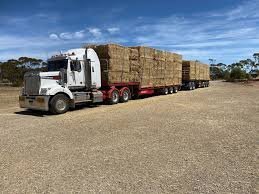
In response to the crisis, a convoy of seven road trains stacked high with emergency feed arrived in Gascoyne Junction, bringing hope to the desperate farmers. The delivery of hundreds of hay bales was a welcome sight for pastoralists like McTaggart, who said the uncertainty was taking a toll on his mental health. “You don’t know when the end will be, so you’re always hopeful that rain is just around the corner,” he said.
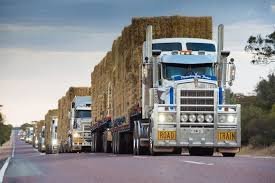
The Farmers Across Borders convoy, led by vice president Roley Pearce, made the 1,700km journey north, braving bushfires in WA’s South West and Great Southern, which caused route and personnel changes up until the moment of departure. Despite the challenges, Pearce said the act of compassion was as important as the hay itself. “At the end of it, a lot of the station owners have got that thought that somebody else does care about them, that they’re not on their own,” he said.
Analysis: What This Means for Australia
The drought crisis in WA’s Midwest, Gascoyne, and Murchison regions has far-reaching implications for the state’s agricultural industry and the broader economy. With many farmers forced to destock due to the lack of feed, the industry is facing significant economic losses. Moreover, the drought is also taking a toll on the mental health of farmers, who are struggling to cope with the uncertainty and financial strain.
Security analysts say the drought crisis highlights the need for the state government to provide additional support to farmers, including subsidising the transport costs of donated hay or funding additional drought relief. Law enforcement insiders warn that the situation is also having a significant impact on rural communities, with farmers feeling isolated and abandoned by the government.
Industry observers believe that the drought crisis is a wake-up call for the state government to invest in long-term solutions to address the impacts of climate change on the agricultural industry. By providing support to farmers and investing in drought mitigation measures, the government can help to ensure the long-term viability of the industry and protect the livelihoods of rural communities.
As the situation continues to unfold, one thing is clear: the drought crisis in WA’s Midwest, Gascoyne, and Murchison regions is a national issue that requires urgent attention and action. By working together, the community can come together to support farmers and ensure the long-term viability of the agricultural industry.