
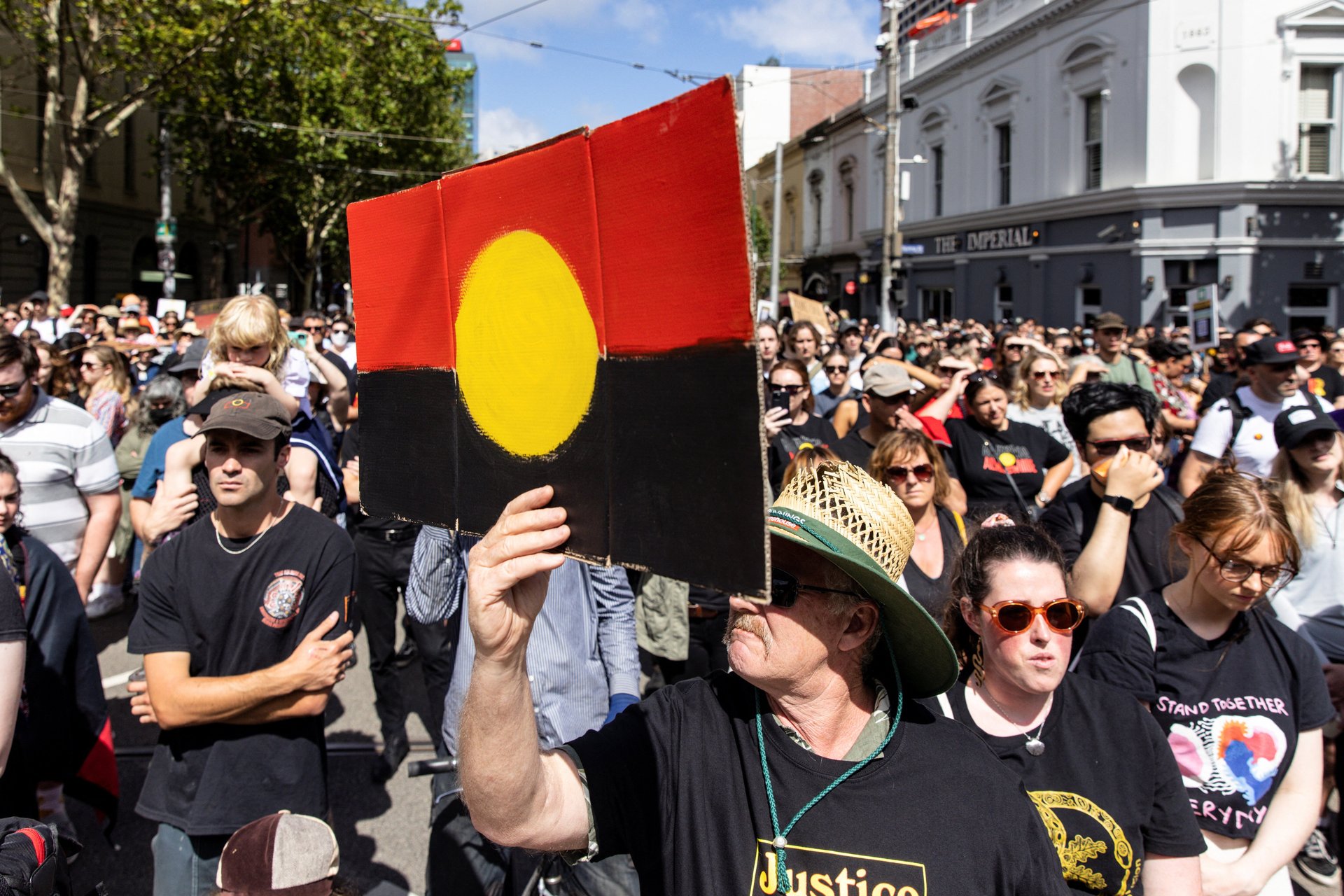
Bomb Thrown into Crowd at Perth’s Invasion Day Rally: Why Police Aren’t Labelling It Terrorism
- A bomb was thrown into a crowd of protesters at Perth’s Invasion Day rally, sparking widespread outrage and concern.
- The incident has raised questions about why police haven’t labelled it an act of terrorism, despite the device being designed to cause mass casualties.
- Experts say the investigation is ongoing, but the incident highlights the complexities of determining ideological motivations behind such attacks.
The news that a bomb was thrown into a crowd of protesters at Perth’s Invasion Day rally has sent shockwaves across the nation, with many asking why police haven’t labelled it an act of terrorism. The device, allegedly concealed in a kid’s sock, was packed with ball bearings and screws, as well as an explosive liquid, and designed to explode upon impact. Miraculously, no one was injured, but the incident has raised serious concerns about public safety and the motivations behind the attack.
The national Aboriginal and Torres Strait Islander Social Justice Commissioner, Katie Kiss, has joined a chorus of voices calling for the incident to be labelled an act of terrorism. “Questions are warranted,” she wrote on social media, sharing a post by Gundungurra man and consultant, Jakob James, who urged people to “call it what it is”. James questioned why there was hesitation in labelling the incident terrorism, suggesting it might be because the crowd targeted was predominantly First Nations people and their allies.
Western Australia’s Police Commissioner, Col Blanch, explained that the police approach is to treat the incident as a “hostile act” at this stage of the investigation. He said that to be considered an act of terrorism, the incident would require political, religious, or ideological motivations, which are still being investigated. Blanch added that the extra powers granted to police in the event of a terrorist incident were not needed in this case.
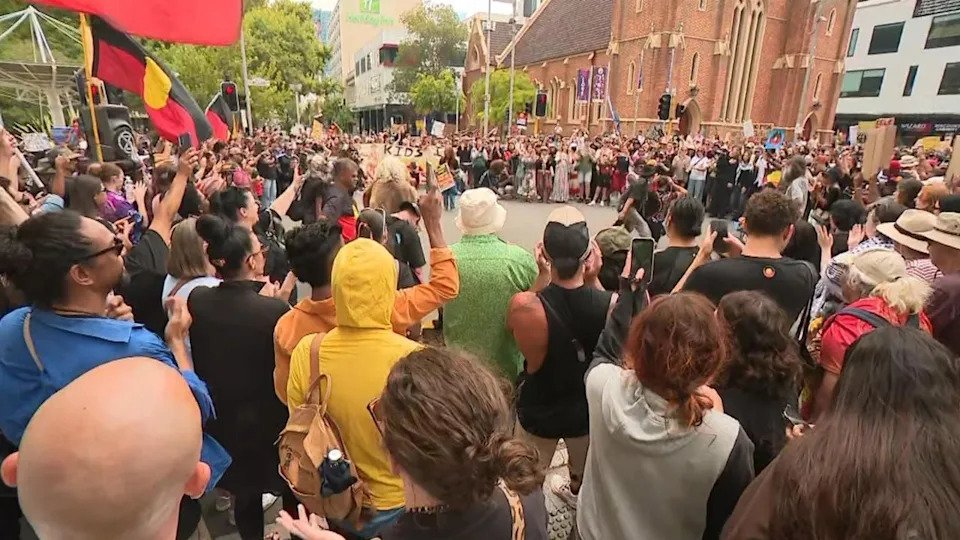
Experts say that identifying ideological motivations is critical to separating terrorism from other events designed to cause fear. Ben Rich, Director of the Curtin Extremism Research Network, noted that incidents where individuals act alone can complicate investigations, making it harder to determine motivations. He added that tracing these motivations is more difficult in today’s environment, where people often radicalise without direct interaction with others.
Analysis: What This Means for Australia
The incident raises serious concerns about national security and the ability of authorities to respond to potential terrorist threats. The fact that the device was designed to cause mass casualties highlights the need for increased vigilance and cooperation between law enforcement agencies. The investigation into the incident will be closely watched, and the nation will be waiting to see if police can uncover the motivations behind the attack.
The incident also has implications for community safety, particularly for First Nations people and their allies who were targeted in this attack. The response of police and government officials will be scrutinised, and there will be calls for greater action to address racism and far-right extremism in Australia.
Security analysts say that the incident is a stark reminder of the need for increased investment in counter-terrorism measures and community engagement. Law enforcement insiders warn that the threat of lone-wolf attacks is growing, and that authorities need to be better equipped to respond to these threats.
Industry observers believe that the incident will have significant economic and social consequences, particularly for the tourism industry, which relies heavily on Australia’s reputation as a safe and welcoming destination.
In the wake of this incident, Australians will be looking to their leaders for reassurance and action. The Prime Minister has vowed to throw the book at the perpetrator, but there will be calls for more to be done to address the root causes of extremism and to ensure that all Australians can feel safe and secure in their communities.