
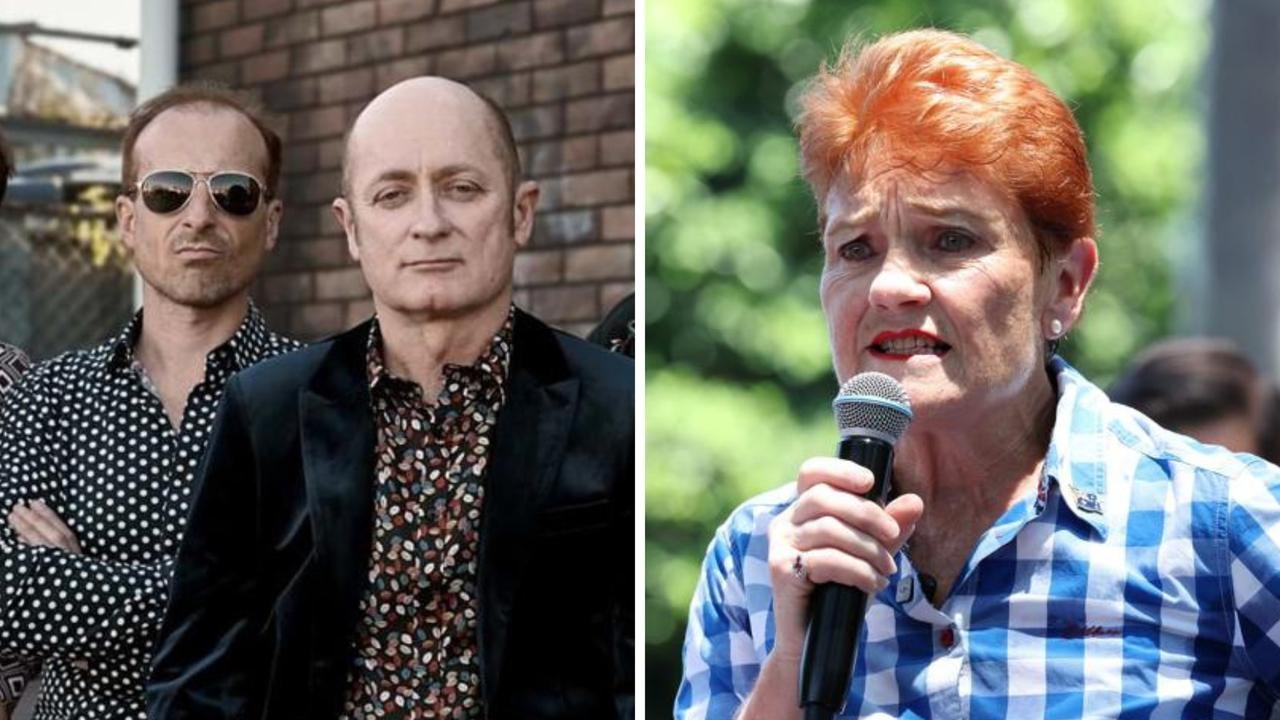
Pauline Hanson’s One Nation Hijacks Aussie Rock Anthem to Fuel Anti-Immigration Rally, Leaving Band Fuming
- Hoodoo Gurus’ 1987 hit ‘What’s My Scene?’ used at March for Australia rally without permission
- Band members condemn One Nation’s “toxic nonsense” and distance themselves from Senator Pauline Hanson’s views
- Rockers call for greater control over music usage at political events to prevent “misrepresentation” of their values
In a shocking move, Senator Pauline Hanson’s One Nation party co-opted a beloved Australian rock anthem to fuel their anti-immigration rally on Australia Day, leaving the band behind the song fuming. Hoodoo Gurus’ 1987 hit ‘What’s My Scene?’ was blasted at the March for Australia event in Brisbane, sparking outrage from the band members who claim their music was used without permission and misrepresents their values.
Band member Dave Faulkner was left “horrified” when he discovered their song was used to introduce Senator Hanson on stage, and quickly crafted a scathing statement condemning the move. “We were disgusted to hear that one of our songs was played by a bunch of wannabe fascists,” Faulkner wrote on social media. “Like most Australians, we have always been appalled by Pauline Hanson and the toxic nonsense she spouts.”
The Hoodoo Gurus are not alone in their outrage. Many Australians have expressed dismay at the co-option of their music for political gain, highlighting the need for greater control over music usage at rallies and events. Faulkner believes that bands should have the right to restrict the use of their music by political causes they disagree with, saying it’s a “grey area” that needs to be addressed.
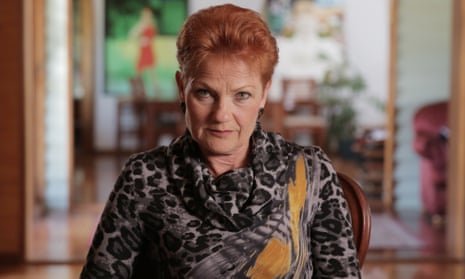
While obtaining a licence is required for using recorded music in ads or performances, Faulkner notes that policing music usage at live events is a significant challenge. “They’re using our music to prop up their message or their event, and that is a commercial thing and it’s a political thing as well,” he said.
Analysis: What This Means for Australia
This incident highlights the blurred lines between politics and art, and the potential for music to be co-opted for political gain. As Australia grapples with issues of national identity and cultural heritage, the use of iconic Australian songs at political rallies raises important questions about the role of art in shaping public discourse. Furthermore, this incident underscores the need for greater awareness and education around copyright laws and intellectual property rights in the music industry.
Security analysts say that the use of music at rallies can have a profound impact on the political narrative, and that bands should be aware of the potential consequences of their music being used in this way. “Music has the power to sway public opinion and shape cultural identity,” said one expert. “Bands need to be mindful of how their music is being used and take a stand when it’s being misused.”
In the aftermath of this incident, the Hoodoo Gurus are calling for a greater sense of accountability and respect for artists’ rights. As Faulkner said, “It’s my song, and it’s expressed as a personal thing for me, and it’s not to be used for their jaundiced view of the world and grubby political games.” The question remains: how can we ensure that our cultural icons are protected from political co-option, and that artists are given the respect and control they deserve over their work?