
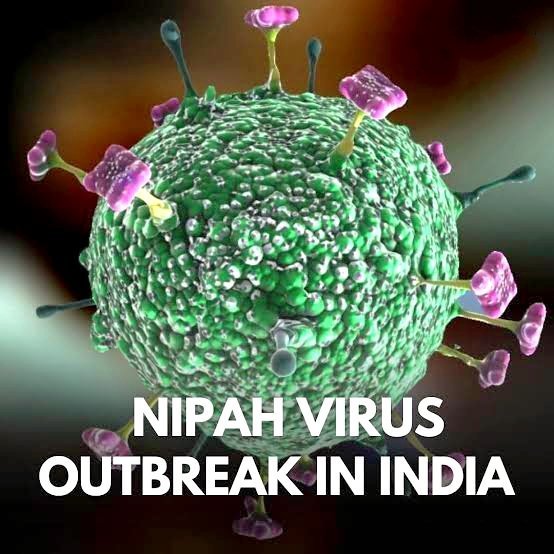
Deadly Nipah Virus Spreads Across Asia: What This Means for Australia
- A 75% fatality rate: The Nipah virus is one of the deadliest diseases on the planet, and it’s spreading across Asia.
- Health authorities on high alert: India, Thailand, Singapore, Hong Kong, and Malaysia are scrambling to contain the outbreak.
- Australian travellers warned: With no vaccine and no specific treatment, the risk to Australians is real.
The Nipah virus has a reputation for being one of the most feared diseases in the world, and for good reason. With a fatality rate of up to 75% in humans, it’s a ticking time bomb waiting to strike. And now, it’s spreading across Asia, putting the entire region on high alert.
The virus was first detected in India’s West Bengal state, where two people have been infected. Since then, authorities in Thailand, Singapore, Hong Kong, and Malaysia have initiated emergency measures to contain the outbreak. But what does this mean for Australia?
The Nipah virus is a zoonotic disease, meaning it spreads from animals to humans. Fruit bats are the primary carriers, and the virus can be transmitted through the consumption of contaminated fruit or fruit products. It can also spread between humans, although this is less common.

The symptoms are flu-like, but the consequences can be deadly. Pneumonia and respiratory symptoms can develop, and the most severe complication is encephalitis, or inflammation of the brain. Those who recover may be left with permanent neurological damage, regular seizures, and even personality changes.
Climate change is making the spread of diseases like Nipah more likely, as extreme weather events become more frequent. And with no specific treatment or vaccine available, the risk to human life is real.
Analysis: What This Means for Australia
The outbreak of Nipah virus in Asia has significant implications for Australia’s national security and public health. With no vaccine and no specific treatment, the risk to Australian travellers is high. The Australian government’s Smartraveller website advises travellers to be aware of the virus in India and Bangladesh, but what about the rest of Asia?
Security analysts say the spread of Nipah virus highlights the importance of robust border control measures. “This outbreak is a wake-up call for Australia to review its preparedness for infectious disease outbreaks,” said one expert. “We need to ensure our healthcare system is equipped to handle the influx of infected travellers.”
Law enforcement insiders warn that the spread of Nipah virus also poses a risk to Australia’s national security. “The virus can be used as a bioterrorism agent, and we need to take this threat seriously,” said another expert.
Industry observers believe the economic consequences of a Nipah virus outbreak in Australia could be devastating. “The impact on our tourism and healthcare industries would be significant, and we need to take proactive measures to prevent this from happening,” said an industry insider.
As the situation unfolds, one thing is clear: Australia needs to take the Nipah virus seriously and take immediate action to protect its citizens. The clock is ticking, and the stakes are high.