
Australia’s Scorched Earth: Why the Same Towns Keep Smashing Heat Records in the Most Abnormal Summer on Record
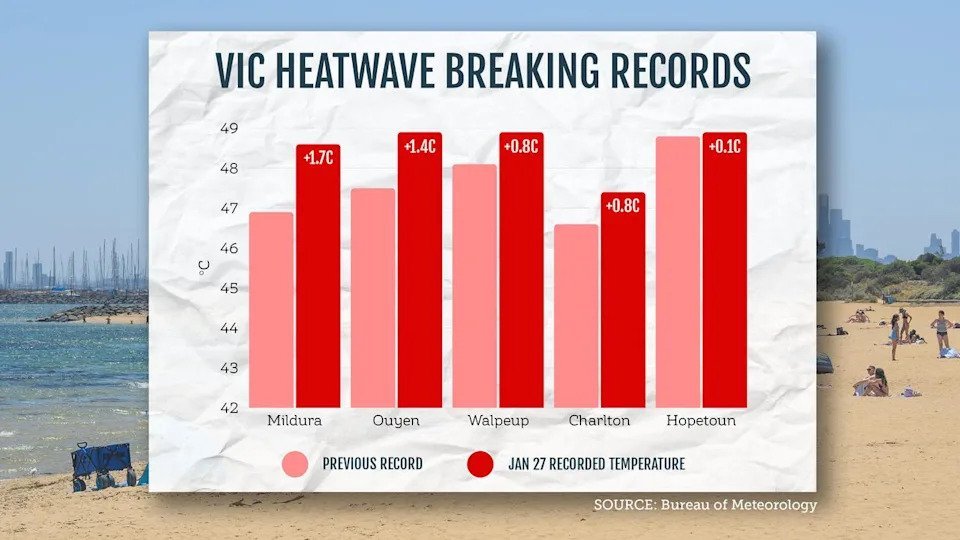
- Victoria’s all-time temperature record broken as Walpeup and Hopetoun reach 48.9°C, surpassing Hopetoun’s Black Saturday record
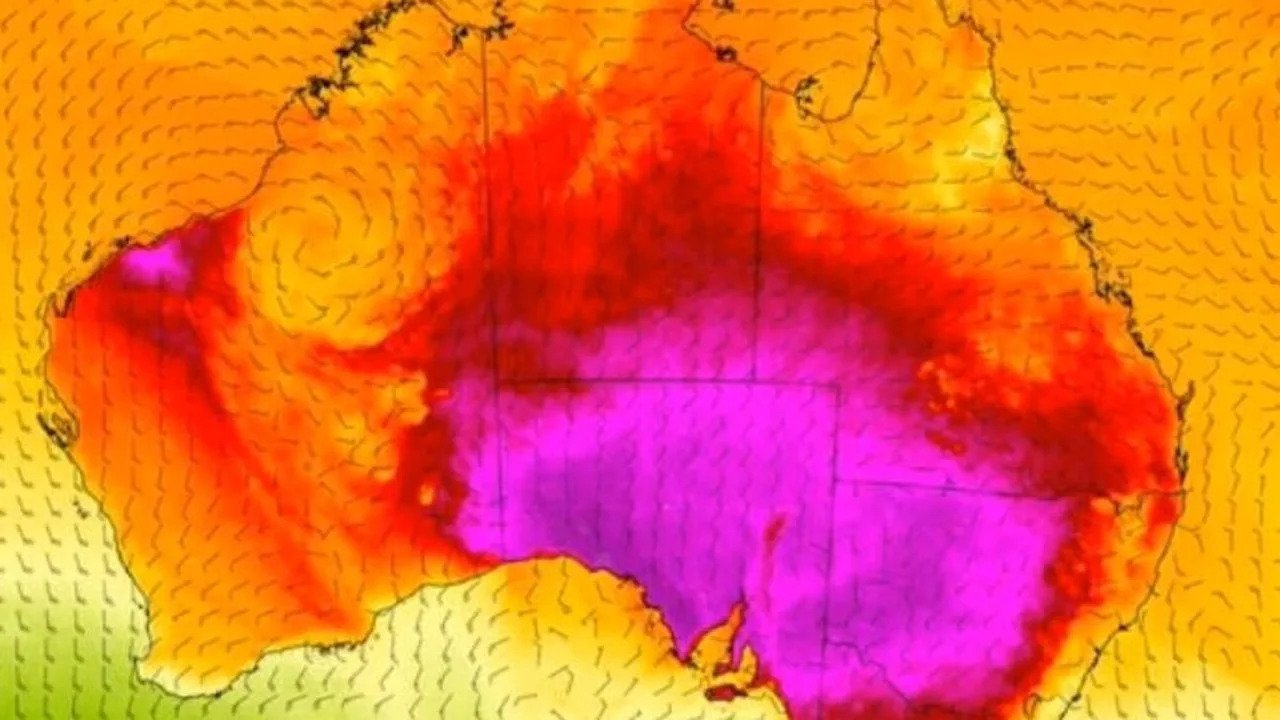
- Severe heatwave warnings in place across large areas of central Australia, with temperatures forecast to hit 47-49°C in many areas
- Experts warn of “incredibly abnormal” heatwave, with temperatures up to 20 degrees above average in some areas
The mercury has soared into the high 40s in several Victorian, New South Wales, and South Australian towns, shattering records and leaving communities reeling. But why do the same towns always find themselves in the headlines when it comes to heat records?
In Victoria, Walpeup and Hopetoun in the state’s north-west reached 48.9°C, breaking the state’s all-time temperature record. The Bureau of Meteorology (BOM) senior meteorologist Angus Hines attributed the extreme heat to the Mallee region receiving the most direct overhead sunshine and being closer to outback and central Australia.
“All of the southern districts of the state very often get maritime air up from the ocean, and that’s a much cooler wind,” he explained. “But because of the ranges through Victoria … that air that comes up from the south rarely penetrates and rarely gets up towards the Mallee.”
The BOM warned that extreme heat would hit inland areas in northern Victoria, western NSW, and northern SA, with severe heatwave warnings in place over large areas of central Australia. Temperatures are forecast to reach 47-49°C in many areas, with the weather pattern described as “incredibly abnormal” even for Australia.
Analysis: What This Means for Australia
The heatwave has significant implications for national security, law enforcement, and community safety. With temperatures expected to remain extreme for the foreseeable future, the risk of bushfires, heat-related illnesses, and infrastructure damage increases. The economic impact on rural communities, already struggling with drought and water shortages, cannot be overstated.
Security analysts say the severe heatwave could also exacerbate existing social tensions, particularly in remote areas where resources are scarce. Law enforcement agencies are on high alert, with a heightened risk of crime and civil unrest.
Industry observers believe the heatwave could have long-term consequences for Australia’s agricultural sector, with crops and livestock already under stress from the prolonged drought.
“This heatwave is a wake-up call for Australia,” said one expert. “We need to take immediate action to address the root causes of climate change and invest in infrastructure that can withstand extreme weather events.”
As the country swelters, one thing is clear: this is not just a weather event, but a national crisis that requires a coordinated response from government, industry, and communities.