

Albanese Government Caves to Pressure: $25 Billion Windfall for Public Hospitals in Landmark Deal
- Prime Minister Anthony Albanese announces a record $220 billion in funding for states and territories over the next five years
- The deal includes an extra $25 billion for public hospitals, ending a months-long standoff with state and territory governments
- States and territories will take on a greater role in providing disability support services to reduce pressure on the National Disability Insurance Scheme (NDIS)
- The agreement paves the way for a significant national reform, ensuring Australians continue to access world-class healthcare and disability support
The federal government has bowed to mounting pressure from the states, agreeing to pay an additional $25 billion to fund public hospitals in a bid to end a months-long standoff. The deal, announced by Prime Minister Anthony Albanese, is part of a record $220 billion in funding for states and territories over the next five years.
The agreement marks a significant turning point in the protracted negotiations between the federal government and state and territory governments. The states had been seeking a greater commitment to funding public hospitals, with the Albanese government initially offering a lower amount. However, the Prime Minister has now relented, agreeing to provide the additional funding to ensure the long-term sustainability of the public hospital system.
In return, the states and territories will take on a greater role in providing disability support services, aimed at reducing pressure on the NDIS. The deal will see the rollout of the Thriving Kids program, which provides support for children with mild and moderate developmental delays and autism. The program is set to start on October 1, with full implementation expected by January 2028.
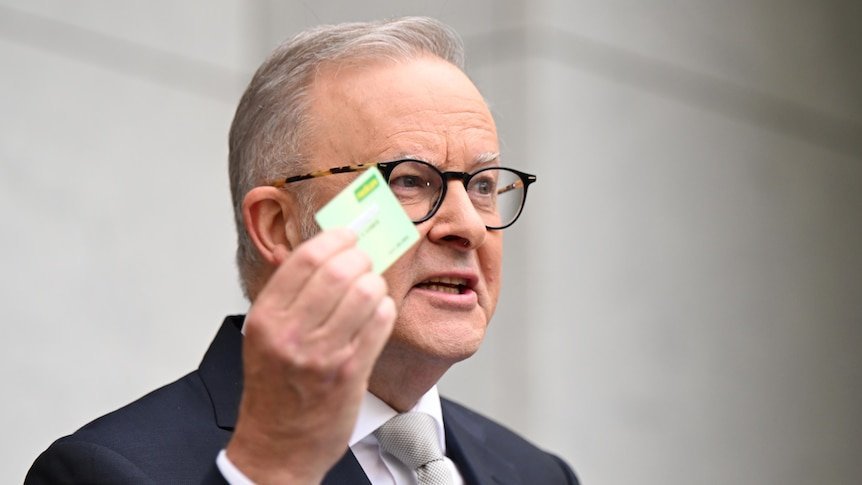
The agreement is a significant national reform, ensuring Australians continue to access world-class healthcare and disability support. According to Albanese, the deal represents “one of the most significant national reforms in living memory.” The Prime Minister added that the agreement will “ensure Australians continue to access world-class healthcare as well as disability support.”
Analysis: What This Means for Australia
The deal has significant implications for national security, with the increased funding for public hospitals ensuring that Australians have access to quality healthcare. The agreement also has important implications for law enforcement, with the states and territories taking on a greater role in providing disability support services. This will help to reduce pressure on the NDIS, which has been struggling to cope with demand.
The deal will also have a positive impact on the economy, with the increased funding for public hospitals creating jobs and stimulating economic growth. Furthermore, the agreement will help to reduce the financial burden on families, who will no longer have to bear the full cost of healthcare and disability support.
Security analysts say that the deal is a significant step forward for national security, ensuring that Australians have access to quality healthcare and disability support. Law enforcement insiders warn that the deal is critical in reducing pressure on the NDIS, which has been struggling to cope with demand. Industry observers believe that the deal will have a positive impact on the economy, creating jobs and stimulating economic growth.
While the deal is a significant step forward, it is not without its challenges. The states and territories will need to work together to ensure the successful implementation of the Thriving Kids program, which will require significant resources and investment. Furthermore, the deal will require careful management to ensure that the increased funding for public hospitals is used effectively and efficiently.
Despite these challenges, the deal is a significant victory for the Albanese government, which has faced criticism for its handling of the healthcare system. The agreement is a testament to the government’s commitment to ensuring that Australians have access to quality healthcare and disability support.