
‘Carnage’ at Perth Greyhound Track: Calls Mount to Ban Industry as Four Dogs Injured, Two Euthanased in One Night
- A night of greyhound racing in Cannington, Perth, ended in “carnage” with four dogs injured and two euthanased.
- Canning Mayor Patrick Hall is demanding the state government phase out greyhound racing in Western Australia.
- A parliamentary inquiry into the industry is underway, prompted by a petition with over 26,000 signatures.
- Animal welfare advocates are calling for greater transparency and independent oversight of the industry.
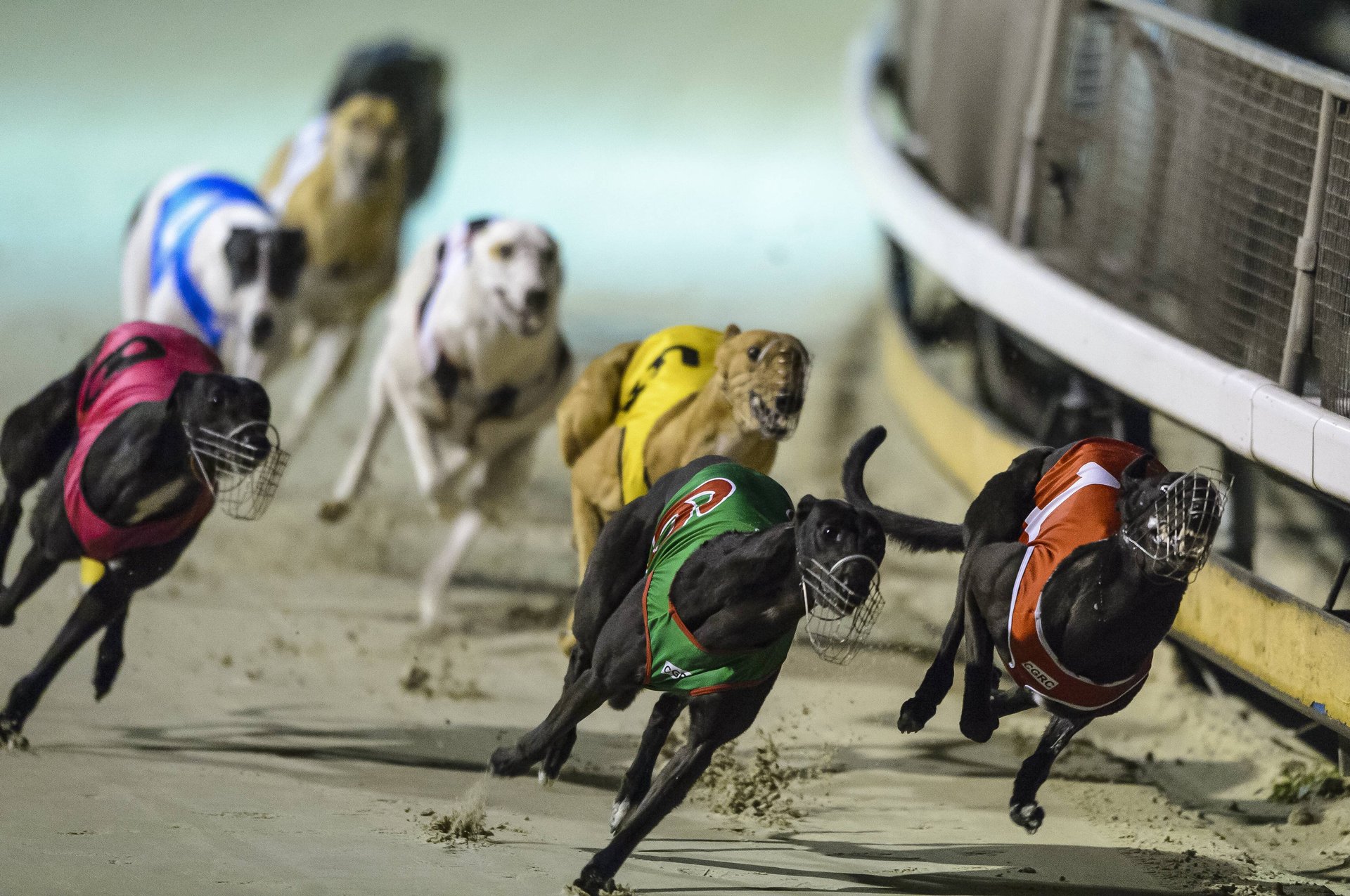
The greyhound racing industry in Western Australia is facing intense scrutiny after a night of carnage at the Cannington track in Perth, which saw four dogs injured and two euthanased. The incident has reignited calls to ban the industry, with Canning Mayor Patrick Hall urging the state government to take action.
The races were abandoned on Wednesday night after the seventh race, with Racing and Wagering WA (RWWA) confirming that track-side veterinarians and racing stewards acted to ensure the injured greyhounds received appropriate care and attention. However, the incident has sparked widespread outrage, with many calling for the industry to be phased out.
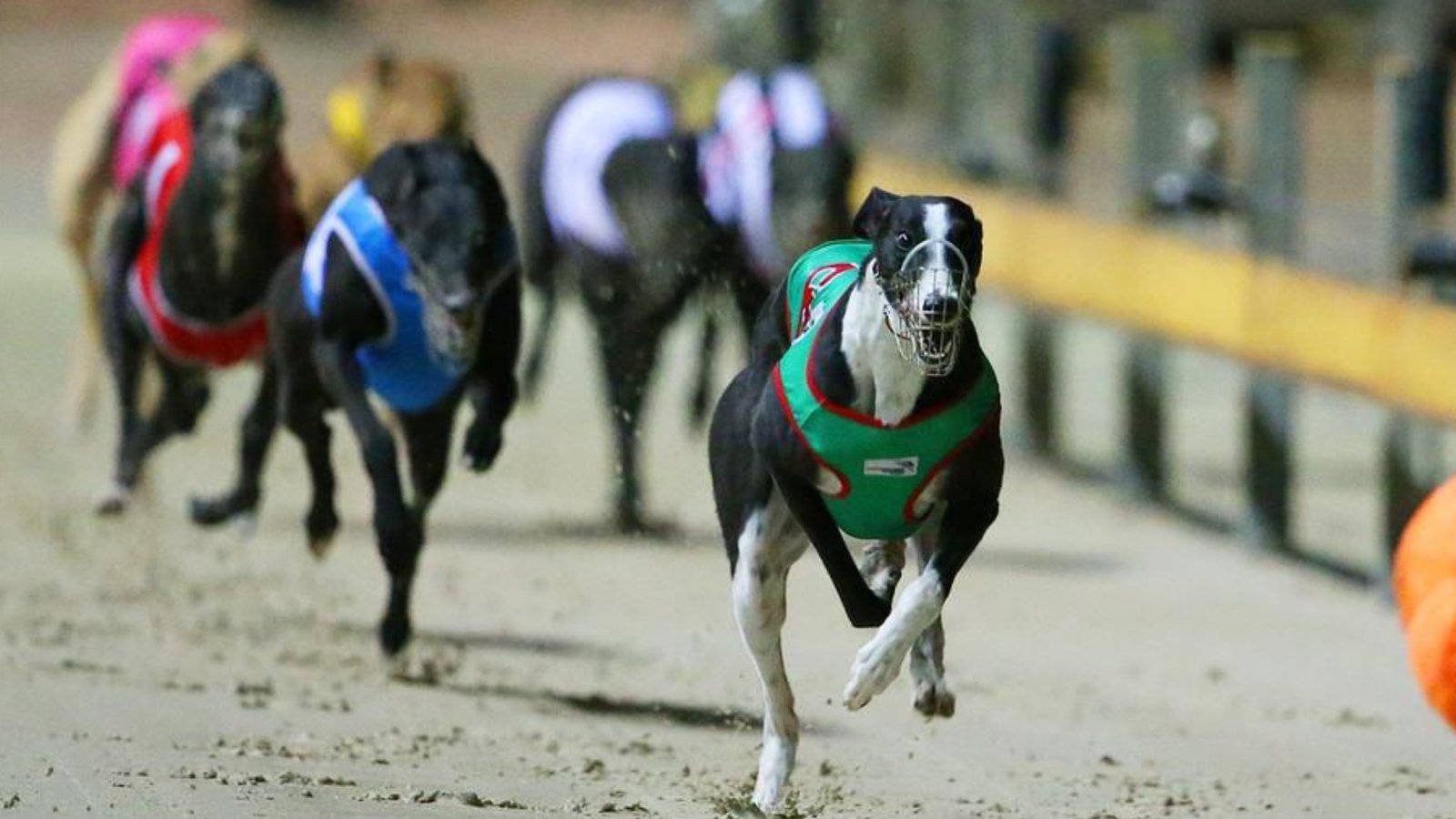
The Cannington track has a notorious reputation, with 10 greyhound deaths recorded at the track last year, making it one of the deadliest in the country. The industry as a whole has been under fire, with 119 greyhound deaths on tracks in Australia last year. Animal welfare advocates argue that the industry’s claims of prioritizing animal welfare ring hollow, given the high number of injuries and deaths.
“It’s disingenuous for the industry and its supporters to say they care for the welfare of the greyhounds,” said Mel Harrison, president of advocacy group Free The Hounds. “That’s fine if you’re prepared to accept that dogs die for this … but then stop hiding behind all the welfare speech, and saying that you care so much about the dogs.”
Racing and Gaming Minister Paul Papalia has defended the industry, citing improvements to track safety and the introduction of the Greyhound Recovery Initiative, which provides financial support for assessment, training, and rehabilitation. However, critics argue that these measures do not go far enough, and that the industry’s focus on profit over animal welfare is unsustainable.
Analysis: What This Means for Australia
The greyhound racing industry is not only a matter of animal welfare, but also has significant implications for law enforcement and community safety. The industry generates $225 million annually, but at what cost? The lack of transparency and accountability within the industry raises serious concerns about the potential for corruption and exploitation.
Security analysts say that the industry’s reputation for attracting criminal elements and facilitating money laundering is well-documented. Law enforcement insiders warn that the industry’s lack of regulation and oversight creates an environment conducive to illegal activity.
Moreover, the industry’s impact on local communities cannot be ignored. The Cannington track is located in the heart of suburban Perth, and the risks associated with greyhound racing pose a threat to public safety. Industry observers believe that the government’s decision to allow the industry to continue operating in the face of mounting evidence of animal cruelty and corruption is a dereliction of duty.
As the parliamentary inquiry into the industry continues, one thing is clear: the future of greyhound racing in Western Australia hangs in the balance. Will the government take action to protect animal welfare and public safety, or will the industry be allowed to continue operating with impunity?
Only time will tell, but one thing is certain – the people of Western Australia will not stand idly by while animals suffer and die for the sake of entertainment.