
Deadly Nipah Virus Outbreak in India Sparks Fears of Global Pandemic, But Is Australia Prepared?
- Federal Health Minister Mark Butler says Australia is monitoring the situation closely, but no immediate plans to tighten border controls.
- Nipah virus has a 40-75 per cent fatality rate in humans, and is mostly spread from bats to humans, with person-to-person transmission rare.
- Two nurses in India have tested positive to the virus, prompting countries across Asia to step up health screening measures at airports.
- Australia’s health experts say there is no need to panic, but the situation is being closely watched.
The discovery of two cases of the deadly Nipah virus in India has sent shockwaves across the globe, sparking fears of a potential pandemic. But as countries in Asia scramble to step up health screening measures, Australia’s Federal Health Minister Mark Butler has reassured the public that there are no immediate plans to tighten border controls.
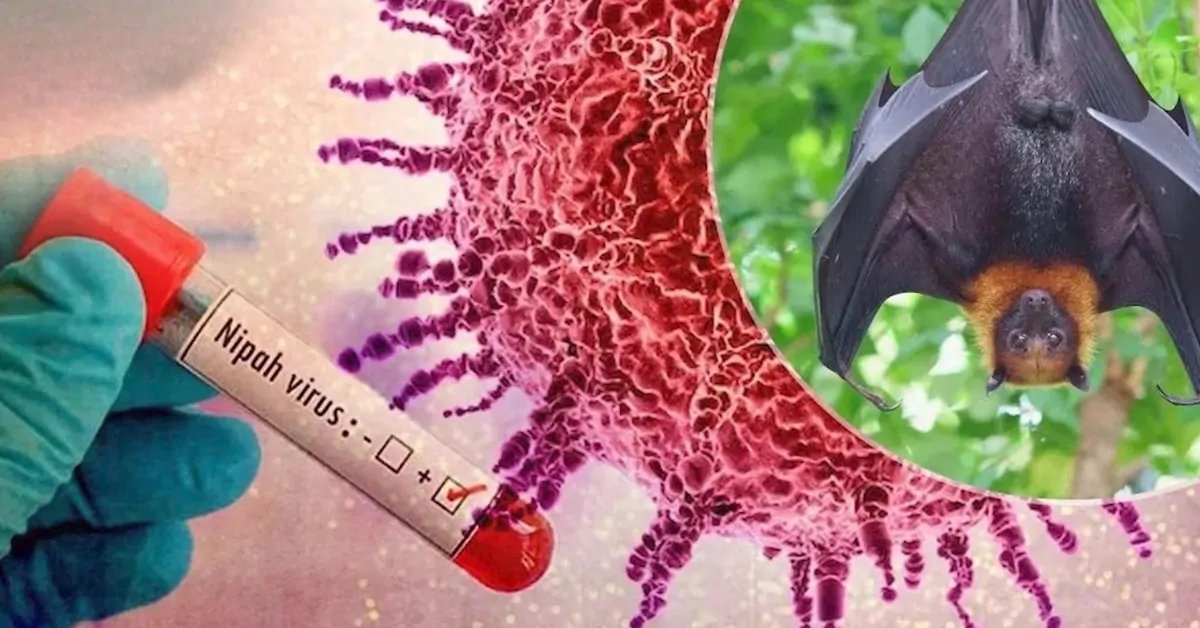
The Nipah virus, which has never been detected in Australia, is a zoonotic disease that spreads from animals to humans, with bats being the primary hosts. While person-to-person transmission is rare, the World Health Organisation warns that it can have a devastating 40-75 per cent fatality rate in humans. The virus is most commonly spread through close contact with infected animals, contaminated food, or bodily fluids.
In India, two nurses at the Narayana Multispeciality Hospital in West Bengal have tested positive to the virus, prompting a swift response from health authorities. Countries across Asia, including Thailand, Indonesia, Vietnam, and Pakistan, have since ramped up health screening at their borders, with some airports using thermal screening or body temperature scanners to check travelers, particularly those arriving from India.
Despite the outbreak, Health Minister Mark Butler has downplayed the need for panic, citing existing protocols for sick travelers arriving in Australia. “We don’t have any advice at the moment to change our existing protocols for sick travelers who arrive in Australia. There already are protocols for that, but we’ll continue to watch the situation closely,” Mr. Butler said.
Analysis: What This Means for Australia
The Nipah virus outbreak in India raises critical questions about Australia’s preparedness to respond to a potential pandemic. While health experts say there is no need to panic, the situation highlights the importance of continued vigilance and monitoring. As Australia’s borders remain open to international travel, the risk of transmission cannot be ruled out entirely. It is crucial that our health authorities remain proactive in monitoring the situation and responding swiftly to any potential cases.
Security analysts say that the Nipah virus outbreak underscores the need for enhanced cooperation between governments and health authorities to share information and coordinate responses to emerging health crises. The Australian government must also invest in research and development of vaccines and treatments to combat the virus, as well as enhance its public health infrastructure to respond to potential outbreaks.
Law enforcement insiders warn that the outbreak also highlights the need for increased scrutiny of international travelers, particularly those arriving from high-risk areas. This includes enhanced screening measures at airports and seaports, as well as closer collaboration with international partners to share intelligence and best practices.
As the situation continues to unfold, one thing is clear: Australia must remain vigilant and proactive in responding to the Nipah virus outbreak. The consequences of complacency could be devastating, and it is up to our health authorities and government to ensure that we are prepared to face any potential threat.
Industry observers believe that the Nipah virus outbreak will also have significant economic implications for Australia, particularly in the tourism and travel sectors. As countries impose travel restrictions and enhance health screening measures, the flow of international travelers is likely to slow, with potential losses to the economy.
Ultimately, the Nipah virus outbreak serves as a stark reminder of the interconnectedness of our world and the need for global cooperation to respond to emerging health crises. As Australia navigates this complex and rapidly evolving situation, one thing is clear: preparedness and vigilance are key to protecting our national security and public health.