
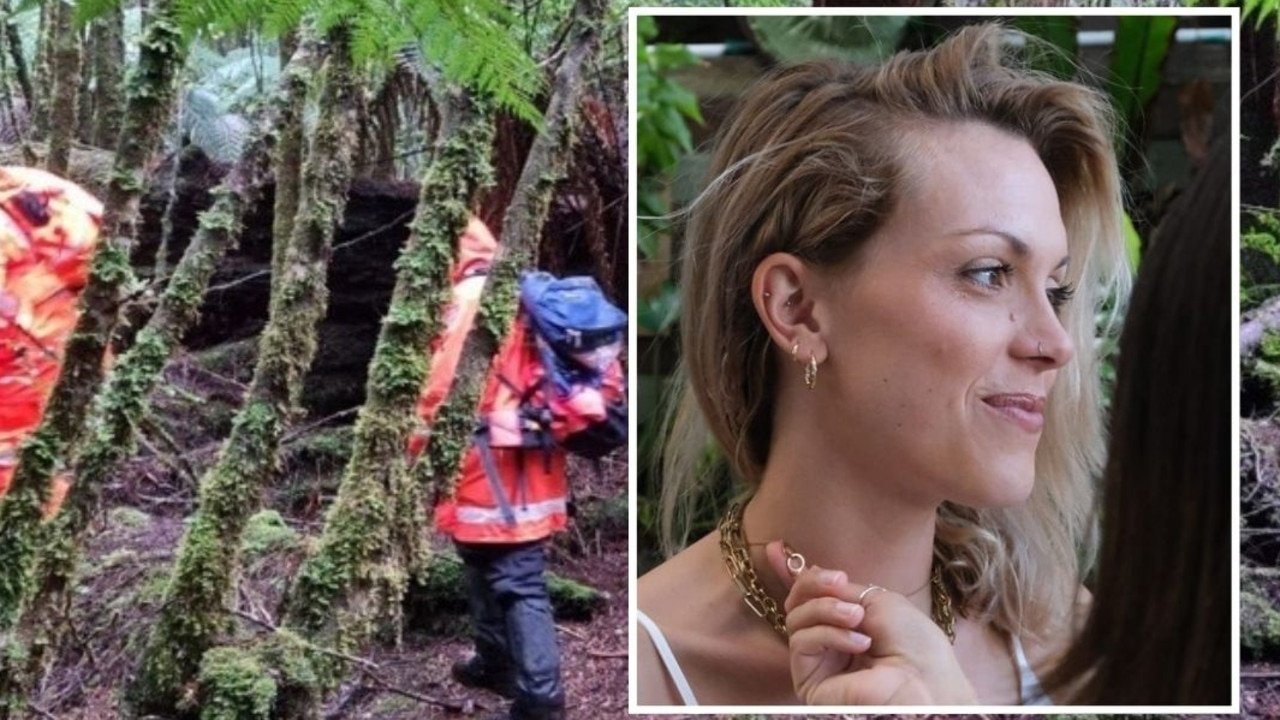
Breakthrough in Two-Year Search for Missing Belgian Tourist as Human Remains and Personal Items Found in Tasmania Wilderness
- Dramatic twist in the search for 31-year-old Celine Cremer, who vanished while bushwalking in Tasmania two years ago
- Human remains, clothing, and personal items found in the rugged wilderness, including a polar fleece jacket and bra believed to belong to Cremer
- Renewed search efforts led by a private team, including a filmmaker and Cremer’s friends, have yielded crucial breakthroughs in the case
- Police and search teams working to confirm the identity of the remains, with forensic examination expected to take several weeks
The mystery surrounding the disappearance of Belgian tourist Celine Cremer has taken a dramatic turn, with human remains and personal items found in the Tasmanian wilderness where she was last seen two years ago. The breakthrough comes after a privately-led search team, comprised of a filmmaker and Cremer’s friends, joined forces with authorities to scour the rugged terrain.
The search team’s efforts were rewarded when they discovered a polar fleece jacket, bra, and thermal top, which are believed to have belonged to Cremer. But the most significant find was yet to come – human remains, including a jawbone, were uncovered in the same area. While forensic examination is still underway, police are confident that the remains are those of the missing tourist.
The search for Cremer began in earnest after she failed to return from a solo winter bushwalk in December 2022. Her vehicle was found in the Philosopher Falls carpark, but she was not reported missing until nine days later. The case sparked a massive search effort, with police and volunteers combing the wilderness for any sign of the 31-year-old. Despite their best efforts, no concrete leads emerged – until now.
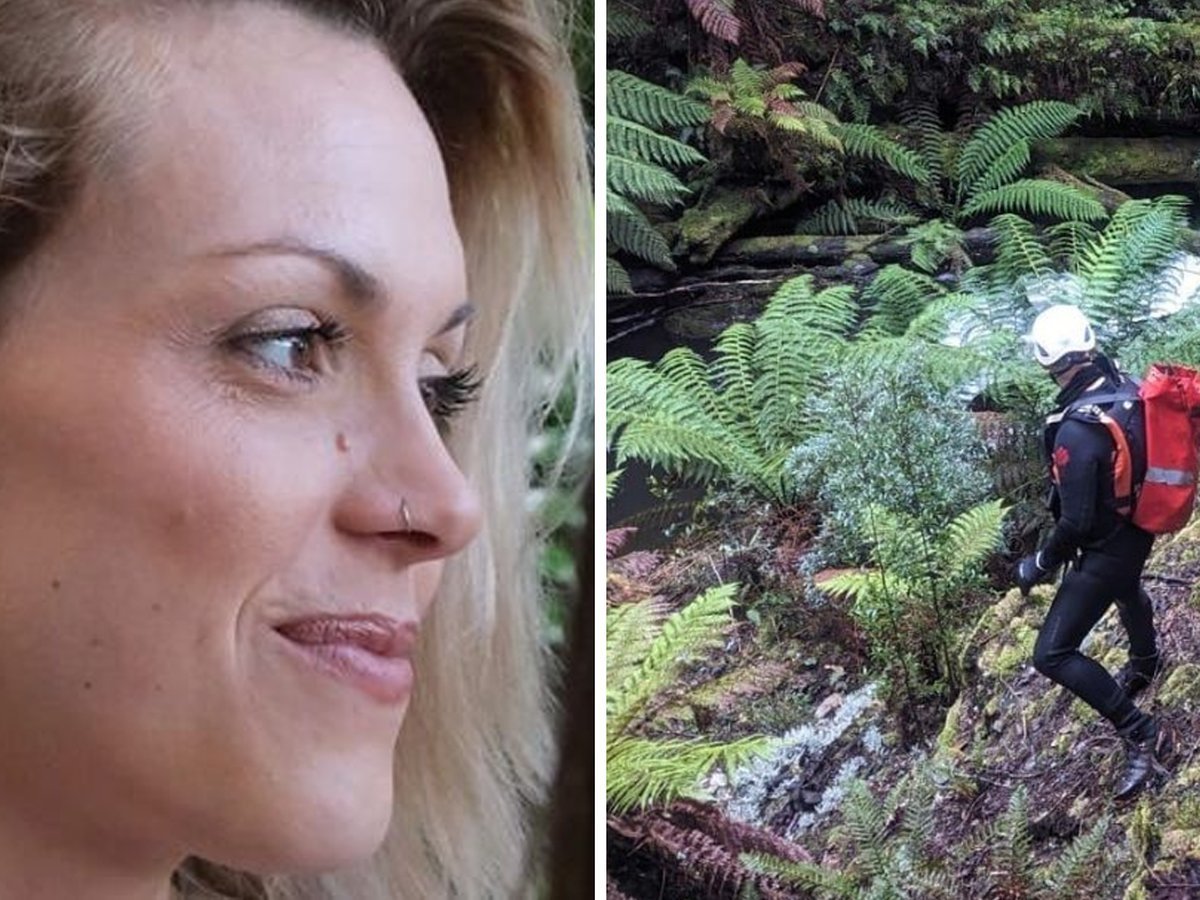
According to Tasmania Police Commander Nathan Johnston, the search team’s discovery of Cremer’s phone in December 2025 was a crucial turning point in the investigation. The phone was found less than 100m from Cremer’s last known GPS location, and its discovery gave searchers new hope that they might finally find answers.
Security analysts say that the case highlights the risks faced by solo travelers, particularly in remote and isolated areas. “This tragic event serves as a stark reminder of the importance of safety protocols and emergency planning when venturing into the wilderness,” said one expert.
Analysis: What This Means for Australia
The discovery of Cremer’s remains has significant implications for national security and law enforcement. The case raises questions about the adequacy of search and rescue protocols in remote areas, and the need for greater resources and investment in these services. Moreover, it highlights the importance of community-led initiatives and private partnerships in supporting police efforts.
Industry observers believe that the case will also have economic and social consequences for Tasmania’s tourism industry, which relies heavily on the state’s natural beauty and outdoor recreational opportunities. “This tragic event will undoubtedly have an impact on tourism in the region, particularly among solo travelers and adventure seekers,” said one industry expert.
As the investigation continues, one thing is clear – the discovery of Cremer’s remains brings closure to a family and friends who have been searching for answers for two long years. But it also serves as a stark reminder of the risks and challenges faced by those who venture into the Australian wilderness.