
Measles Alert: Sydney on High Alert as Infected Traveller Returns from Overseas, Spreading Virus Across City
- Sydney residents warned of increased measles risk as infected traveller returns from South-East Asia
- 14th measles diagnosis reported in NSW since December 1, with fears of more cases emerging
- Health experts urge public to check vaccination status and monitor for symptoms after exposure to virus
- Measles outbreak highlights importance of vaccination, with free MMR jabs available for those born after 1965
The measles outbreak in Sydney has reached a critical point, with a confirmed case reported after a traveller returned from South-East Asia, where the virus is rampant. The 14th diagnosis since December 1 has sparked a health alert, with authorities warning of a high risk of further infections.
The infected individual, who had recently returned from Manila, was diagnosed with measles on Tuesday, after arriving at Sydney Airport on Cebu Pacific Flight CEB39. They spent time in the arrivals and baggage claim areas between 11am and 12pm, before taking the Sydney T8 train line from International Airport Station to Central Station between 12.30pm and 1.20pm.
Passengers who travelled on the Sydney T1 train line from Central Station to Hornsby Station between 12.50pm and 2.20pm have been advised to monitor for symptoms, as have residents and visitors who visited multiple locations across Sydney. A full list of exposure locations and timeframes has been published by NSW Health.
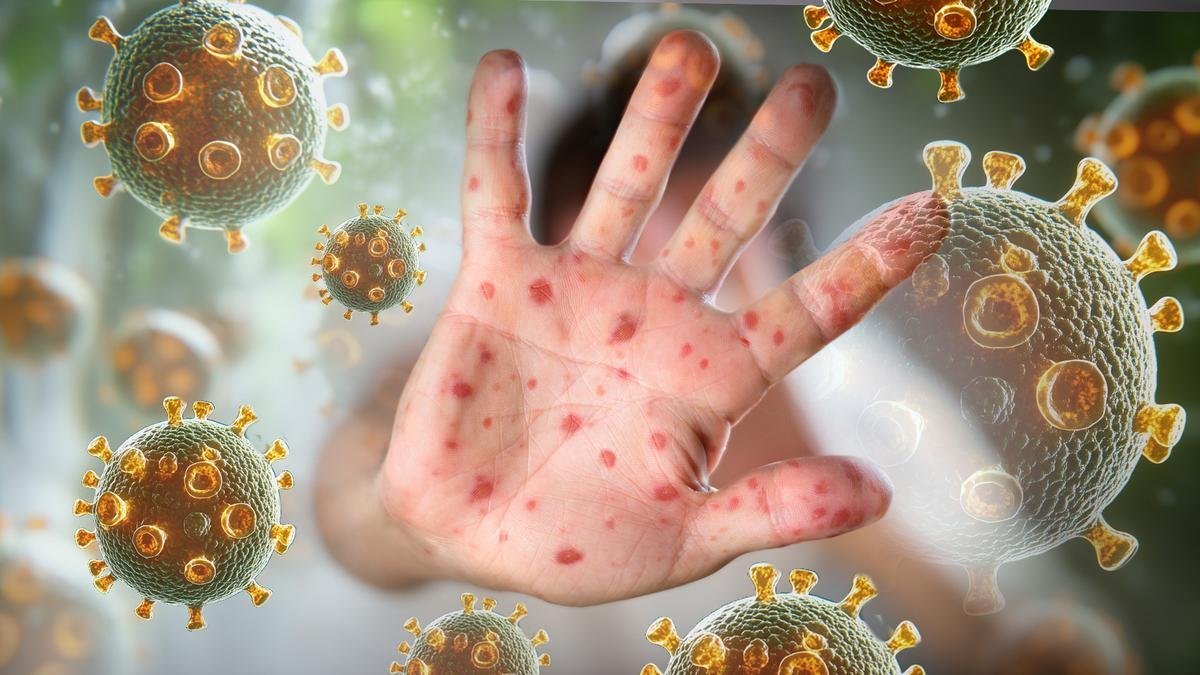
Dr Vicky Sheppeard, Executive Director of Health Protection NSW, warned that as people return from overseas holidays, it is expected that additional cases may be identified. While the locations do not pose an ongoing risk, anyone who was present at the same time should remain vigilant and monitor for symptoms, which may include fever, runny nose, sore eyes, and a cough, usually followed by a red, blotchy rash.
Measles is a highly contagious but vaccine-preventable disease that spreads through the air when an infected person coughs or sneezes. The virus can take up to 18 days to appear after exposure, making it crucial for those who visited the affected locations to look out for symptoms during this period.
Analysis: What This Means for Australia
The measles outbreak in Sydney highlights the importance of vaccination in preventing the spread of the disease. With the virus highly contagious and easily transmissible, the risk of further cases emerging is high. The incident also raises concerns about Australia’s preparedness to deal with infectious diseases, particularly in light of the ongoing COVID-19 pandemic.
Security analysts say that the outbreak underscores the need for increased vigilance at airports and other points of entry, as well as more effective communication and coordination between health authorities and the public. Law enforcement insiders warn that the incident may also have implications for border control and national security.
Industry observers believe that the outbreak will lead to a renewed focus on vaccination rates and public health infrastructure, with calls for increased investment in these areas likely to grow louder in the coming weeks.
As the situation continues to unfold, one thing is clear: the measles outbreak in Sydney is a wake-up call for Australia, highlighting the need for a coordinated response to infectious diseases and a renewed commitment to public health.