
‘Silence is Deafening’: Indigenous Australians Feel Abandoned After ‘Sickening’ Attack on Invasion Day Rally
- Thousands gathered in Perth to protest for Indigenous rights on January 26, but the event turned violent when a homemade “fragment bomb” was thrown into the crowd.
- The alleged attack, which failed to detonate, has sparked outrage and calls for stronger action from the government and media.
- Indigenous leaders and communities feel abandoned and unheard, with many calling for a more robust response to the incident and greater action to address racism and hate crimes.
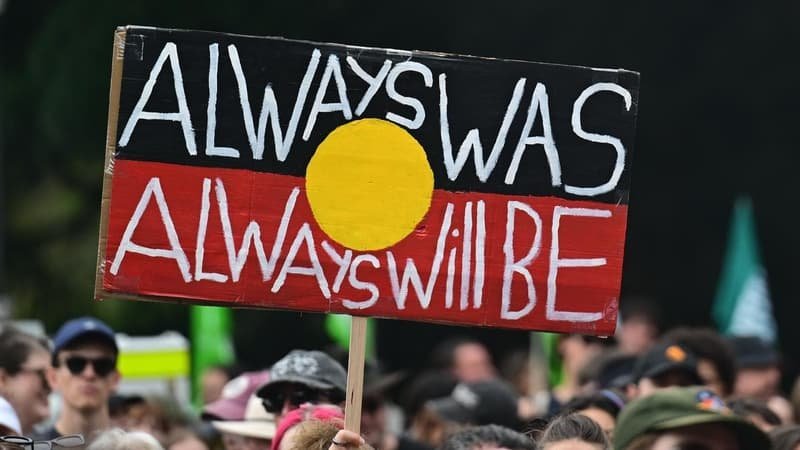
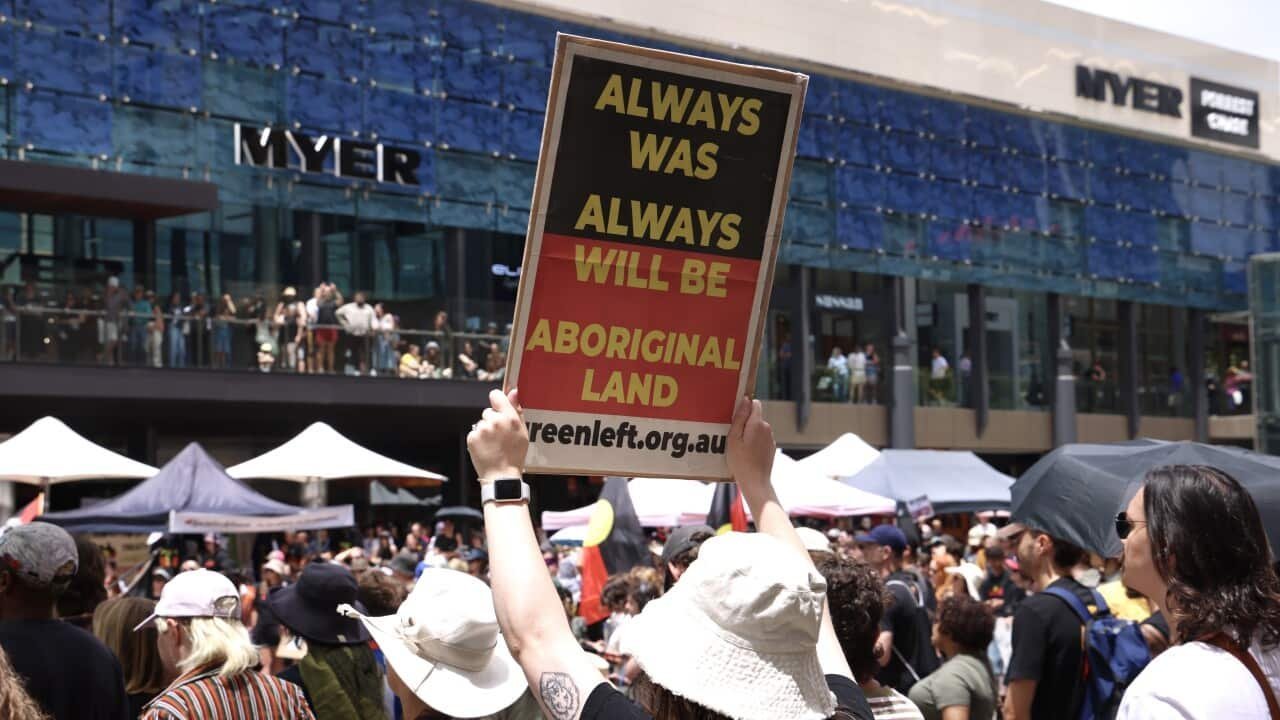
On January 26, thousands of people gathered in Boorloo/Perth to mark Invasion Day, calling for an end to homelessness and youth detention, and better housing and health outcomes for elders. The event was a powerful display of unity and determination, with Elders adorned in traditional possum skin cloaks, brothers of men who have died in custody, survivors of the Stolen Generations, and families of women who are missing or murdered.
But the day took a devastating turn when, at 12:40 pm, a homemade “fragment bomb” was thrown into the crowd. The alleged attack, which failed to detonate, has sent shockwaves through the community and sparked widespread outrage. Police have described the incident as a “potential mass casualty event,” and the alleged perpetrator, a 31-year-old man, has been remanded in custody.
In the aftermath of the attack, many have turned to the government and media for a response that meets the gravity of the moment. However, the response from Canberra has been criticized as inadequate, with some calling for stronger language and swifter action.
Analysis: What This Means for Australia
The alleged attack on the Invasion Day rally is a stark reminder of the ongoing struggle for Indigenous rights and the need for greater action to address racism and hate crimes. The incident has sparked widespread outrage and calls for stronger action from the government and media. However, the response from Canberra has been criticized as inadequate, with some calling for stronger language and swifter action.
Security analysts say the incident highlights the need for greater investment in community safety and security measures, particularly in areas where Indigenous Australians are disproportionately represented. “The fact that this incident occurred at an Invasion Day rally, a event that is already steeped in trauma and pain for many Indigenous Australians, is particularly concerning,” said one expert.
Law enforcement insiders warn that the incident is a wake-up call for authorities to take a more proactive approach to addressing hate crimes and extremism. “We need to recognize that racism and hate crimes are a significant threat to community safety, and we need to take a more robust approach to addressing these issues,” said one insider.
Industry observers believe the incident will have significant economic and social consequences, particularly for Indigenous Australians who are already disproportionately affected by poverty, unemployment, and health issues. “The impact of this incident will be felt for a long time, and it’s essential that we take a comprehensive approach to addressing the root causes of racism and hate crimes,” said one observer.
As the investigation continues, one thing is clear: the alleged attack on the Invasion Day rally is a stark reminder of the ongoing struggle for Indigenous rights and the need for greater action to address racism and hate crimes. The response from the government and media will be closely watched, and it’s essential that we take a more robust approach to addressing these issues.