
Desperate Measures: How Australia’s Housing Crisis is Driving a Backyard Revolution
- Australia’s housing crisis is forcing people to think outside the box, with tiny homes and backyard dwellings becoming a last resort for those priced out of the market.
- A $26,000 flat-pack “tiny home” sold through Bunnings is just the beginning, with experts warning that the trend is a symptom of a deeper problem.
- As affordable housing disappears and rental prices skyrocket, Australians are being forced to get creative, with backyard studios and granny flats becoming a necessary solution for many.
- The shift towards alternative housing types is being driven by necessity, with the National Rental Affordability Scheme set to end in 2026 and a social housing shortfall of over 640,000 homes.
In a housing market where rents are rising faster than wages and social housing is disappearing, a $26,000 flat-pack “tiny home” sold through Bunnings might seem like a novelty. But for those priced out of the market, it’s a desperate solution to a desperate problem.
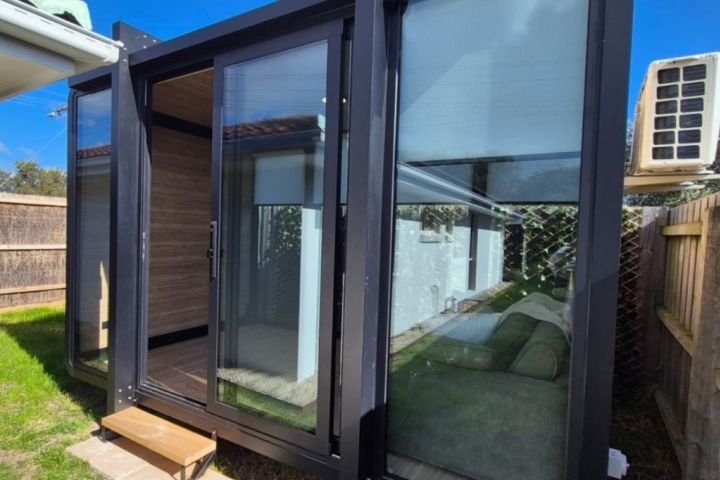
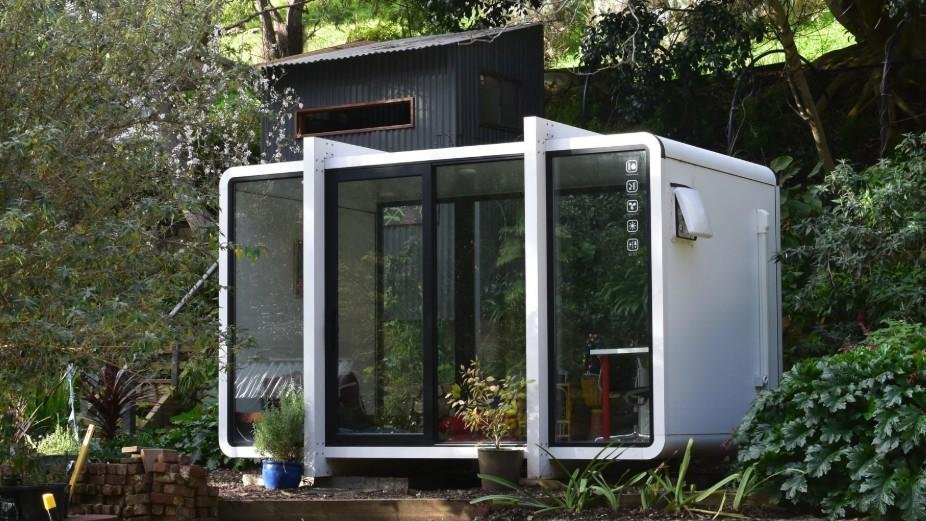
This week, hardware giant Bunnings began selling two flat-pack cabins from Australian start-up Elsewhere Pods, compact, architecturally designed structures pitched as backyard studios, guest accommodation or home offices. The smallest pod, measuring 2.7 metres by 2.4 metres, starts at $26,100, while a larger 4-metre studio is priced at $42,900.
But the appeal of these tiny homes runs deeper than good design. Elsewhere Pods founder Matt Decarne says the idea was born out of personal crisis, after his mother lost her home during the 2020 northern NSW floods. His flat-pack system is designed to be transported without heavy machinery, installed on difficult or hard-to-reach sites and, in some cases, built without triggering full building permits.
Before the Bunnings deal, around 40 per cent of Elsewhere Pods’ sales were to Airbnb investors. Others were owner-occupiers adding space for adult children, ageing parents or rental income. But with Australia’s housing crisis reaching boiling point, the context has changed. The National Rental Affordability Scheme (NRAS), once a major source of below-market rentals for low- and middle-income earners, is ending in June 2026, and more than 36,000 affordable homes have already exited the scheme since 2018.
Federal figures show another 4,500 will disappear this year alone, the final tranche. They won’t be quickly replaced. Under the federal government’s Housing Australia Future Fund (HAFF), 40,000 social and affordable homes are planned, but as of November 2025, just 889 had been completed, with about 9,500 under construction.
Analysis: What This Means for Australia
The shift towards alternative housing types is a symptom of a deeper problem. Australia’s social housing shortfall of about 640,000 homes is a ticking time bomb, and the maths simply doesn’t stack up. “Affordable rentals are vanishing faster than social housing is being built,” says Everybody’s Home spokesperson Maiy Azize. “This year alone, thousands more families will be pushed into an already brutal private rental market. For many people, this isn’t abstract policy, it’s fear about where they’ll live next.”
Security analysts say that the rise of backyard dwellings is a direct result of the government’s failure to address the housing crisis. “The fact that people are being forced to build their own homes in their backyards is a stark reminder of the government’s inability to provide affordable housing,” says one expert.
Law enforcement insiders warn that the trend could also have implications for community safety, as people are forced to take matters into their own hands. “When people are desperate, they’ll do whatever it takes to provide for themselves and their families,” says one source. “This could lead to a rise in unregulated housing, which can pose a risk to public safety.”
Industry observers believe that the trend is also challenging long-held assumptions about how Australians build and live. “I started thinking about how people are pushed into buying a four-bedroom house they don’t need,” says builder and designer Justina Tomkinson. “What if you could build in stages as your life changes?”
Her Lego-style system allows homes to be expanded over time, with owners starting small and adding rooms later, a model she says is more realistic for young couples and growing families. “As a couple, you might build your kitchen, living area and main bedroom first,” she says. “Then you can revalue and expand later. Financially, it just makes more sense.”
For potential buyers, whether these pods are a simple solution depends on local regulations. Based on advice from the Australian Tiny House Association and the Housing Industry Association, councils are now developing specific tiny house policies, acknowledging their role in easing housing pressure.