
‘Police Brutality’ Erupts in Sydney as Protesters Clash with Officers Over Israeli President’s Visit
- Twenty-seven arrested, including 10 for assaulting police, as violence breaks out at Sydney’s Town Hall
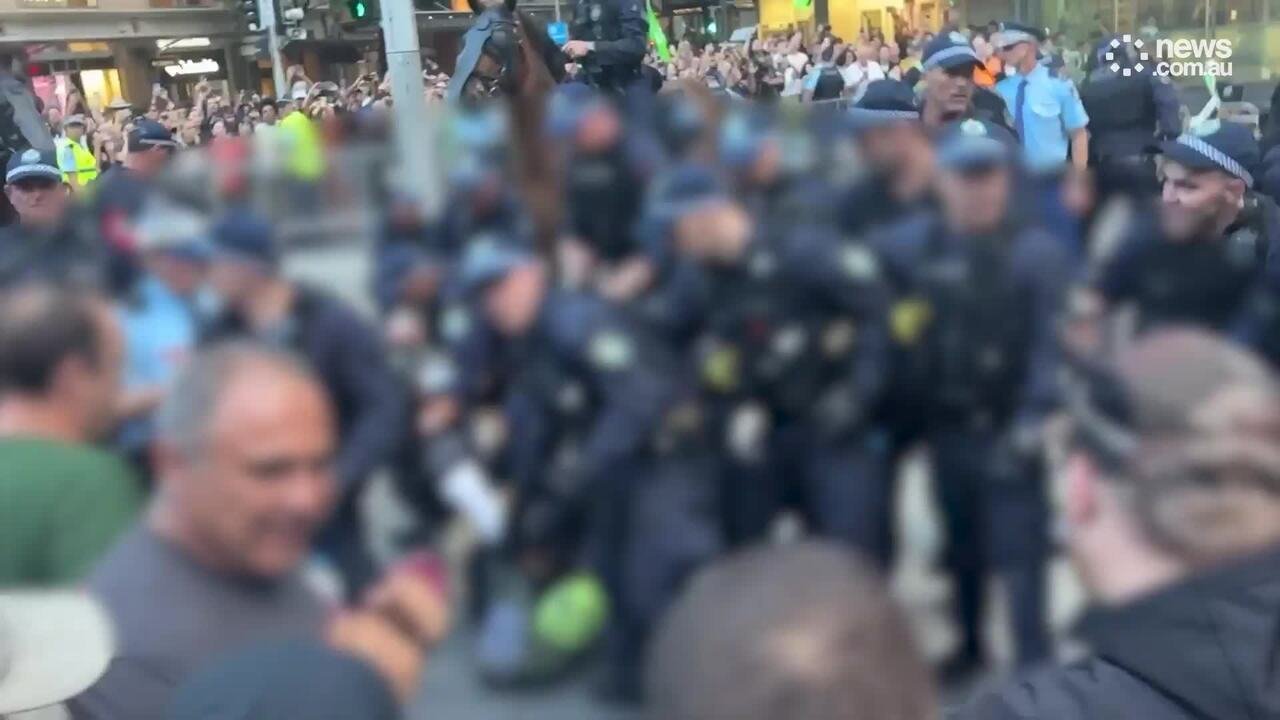
- Protesters accuse police of “sickening brutality” as videos show officers punching demonstrators and moving on Muslim men praying
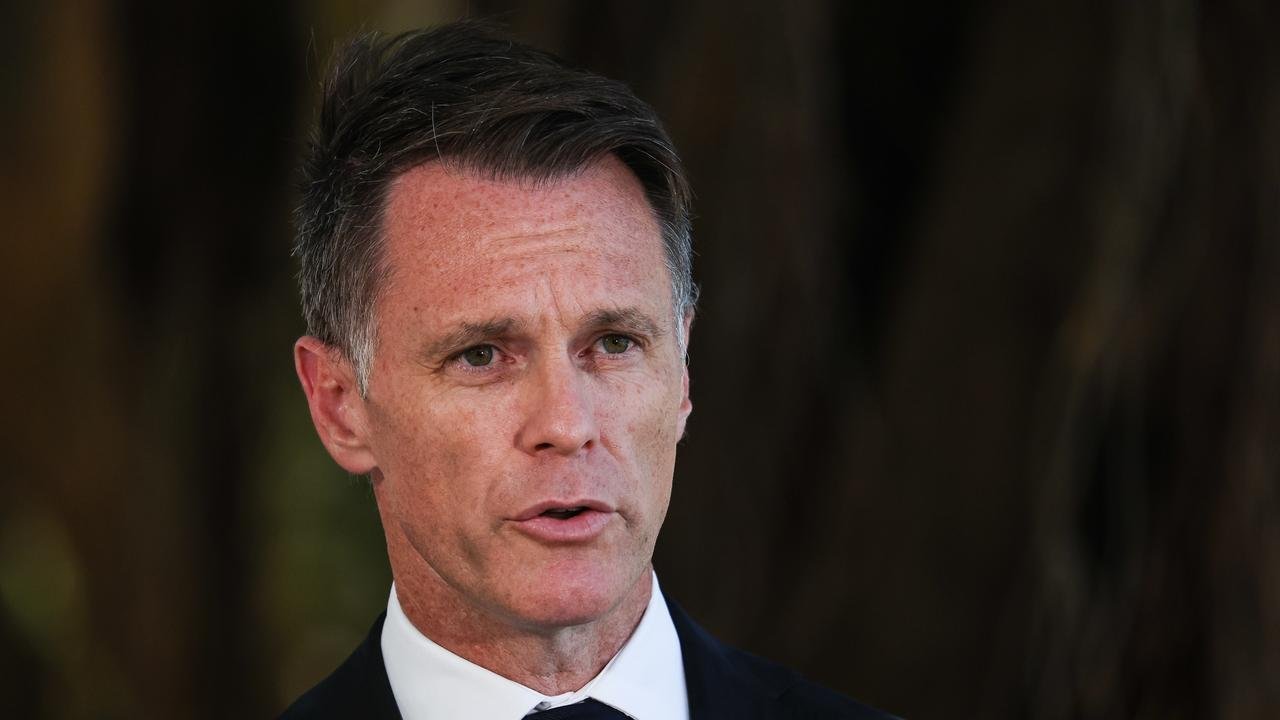
- Premier Chris Minns defends police actions, saying they did “everything possible” to avoid clashes
The streets of Sydney’s CBD turned into a battleground on Monday night as protesters and police clashed in violent scenes, with allegations of “sickening police brutality” and “outrageous behaviour” from both sides. The chaos erupted as thousands gathered at Town Hall to protest against Israeli President Isaac Herzog’s visit to Australia, with many calling for an end to Israel’s actions in Gaza.
The protest, organised by the Palestine Action Group, was meant to be peaceful, but things took a turn for the worse when demonstrators attempted to march towards NSW Parliament despite a Public Assembly Restriction Declaration (PARD) and Major Events Act making it unlawful to do so. Hundreds of police officers were on hand to respond, and soon, the situation escalated into “a number of melees, rolling fights” and “violent behaviour”, according to Assistant Commissioner Peter McKenna.
Protest organiser Josh Lees accused officers of “sickening police brutality”, with videos on social media showing police punching protesters and moving on Muslim men while they were praying. Lees claimed that the violence could have been avoided if police allowed protesters to march, and that police actions were disproportionate. However, Assistant Commissioner McKenna stood by the actions of police, saying they were “threatened, jostled and assaulted” during the clashes.
Analysis: What This Means for Australia
The events that unfolded in Sydney on Monday night have raised serious concerns about national security, law enforcement, and community safety. The fact that 27 people were arrested, including 10 for assaulting police, highlights the level of violence and aggression that was on display. The allegations of police brutality, if proven, are a worrying sign of a breakdown in trust between law enforcement and the community. Security analysts say that the use of force by police must be proportionate to the threat posed, and that the actions of individual officers must be scrutinised to ensure that they are not exacerbating the situation. Furthermore, the fact that the protest was able to turn violent so quickly raises questions about the effectiveness of police intelligence and crowd control measures.
Expert commentary suggests that the incident also has implications for community relations and social cohesion. The fact that the protest was organised by a pro-Palestinian group and was met with a heavy-handed police response has sparked concerns about the treatment of minority groups in Australia. Industry observers believe that the incident could fuel tensions between different communities and undermine trust in institutions. As one expert noted, “When you have a situation like this, it’s not just about the protest itself, it’s about the underlying issues of identity, politics, and power that are at play.”
Ultimately, the events of Monday night serve as a reminder that Australia is not immune to the kind of social unrest and political tensions that are seen in other parts of the world. As the country grapples with issues of national security, community safety, and social cohesion, it is essential that all stakeholders – including law enforcement, politicians, and community leaders – work together to find a way forward that prioritises respect, understanding, and peaceful resolution of conflicts.