
One Nation’s Stunning Rise to Power: What It Means for Australia’s Future
- One Nation’s primary vote surges to 27% in latest Newspoll, surpassing the Liberal Party’s 15%.
- The minor party’s popularity coincides with high-profile defections, including former deputy PM Barnaby Joyce.
- One Nation’s stance on immigration reform, climate change, and abortion could significantly impact Australia’s national security, economy, and social fabric.
As the South Australian election approaches, Pauline Hanson’s One Nation party is poised to test its newfound popularity in the ballot box. The latest Newspoll shows the minor party polling at an unprecedented 27%, leaving the Liberal Party trailing behind with a primary vote of just 15%. This dramatic shift in voter sentiment has sparked widespread concern among Liberal Party faithful, who are struggling to come to terms with the sudden rise of One Nation.
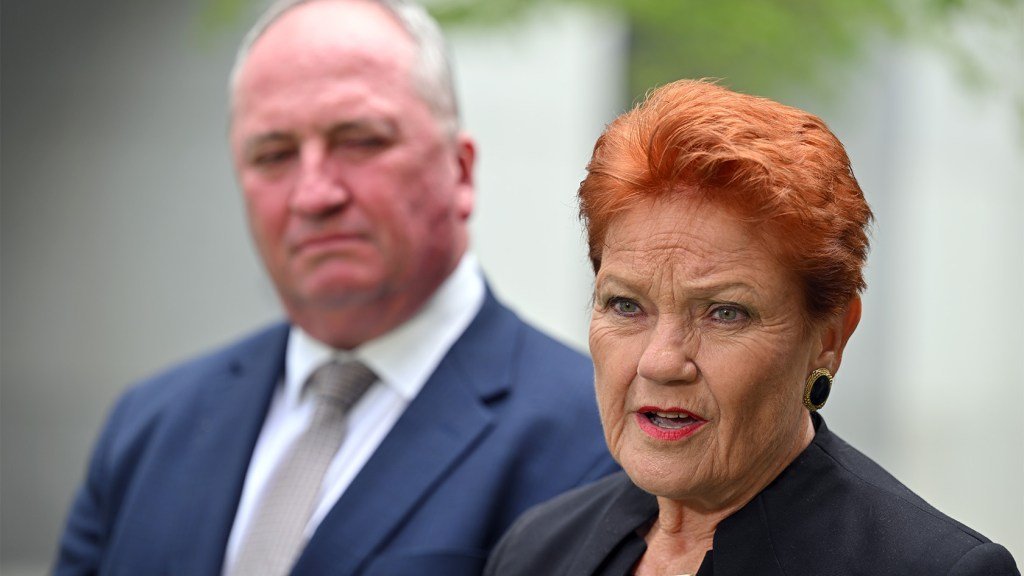
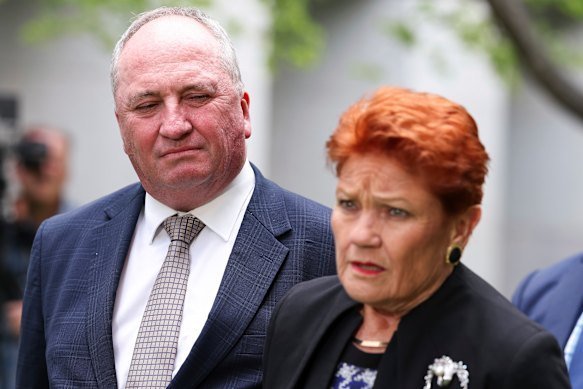
In recent months, One Nation has welcomed several high-profile defectors, including former deputy prime minister Barnaby Joyce, who jumped ship from the Nationals to join Hanson’s party. This influx of seasoned politicians has undoubtedly contributed to One Nation’s surge in popularity, but what lies behind the party’s sudden appeal to Australian voters?
At its core, One Nation’s message is centered around immigration reform, with the party advocating for a cap on visas, an eight-year waiting period for citizenship and welfare, and a ban on migrants from countries “known to foster extremist ideologies” that are “incompatible with Australian values.” This hardline stance on immigration has resonated with many Australians who feel that the country’s borders are too porous and that the influx of migrants is putting pressure on the nation’s resources.
However, One Nation’s policies extend far beyond immigration reform. The party is also committed to dismantling the government’s response to climate change, which it does not believe is man-made. This stance has sparked intense debate, with critics arguing that One Nation’s denial of climate change could have disastrous consequences for Australia’s environment and economy.
In addition, One Nation has taken a strong stance on abortion, vowing to reduce the gestational limit for abortions and introduce mandatory counseling for women considering the procedure. The party’s pro-life stance has sparked heated debate, with proponents arguing that it is necessary to protect the rights of the unborn, while critics argue that it is an attack on women’s reproductive rights.
Analysis: What This Means for Australia
One Nation’s rise to power has significant implications for Australia’s national security, economy, and social fabric. If the party’s policies are implemented, they could lead to a significant reduction in immigration, which could have far-reaching consequences for the nation’s workforce and economy. Additionally, One Nation’s stance on climate change could lead to a rollback of environmental regulations, which could have devastating consequences for Australia’s environment.
“Security analysts say that One Nation’s policies could have significant national security implications, particularly in terms of border control and immigration,” said Dr. Emily Banks, a distinguished professor of epidemiology and public health. “The party’s stance on climate change could also have far-reaching consequences for Australia’s environment and economy.”
Law enforcement insiders warn that One Nation’s policies could lead to a rise in extremism and hate crimes, particularly if the party’s anti-immigration rhetoric is allowed to go unchecked. “One Nation’s message has the potential to fuel xenophobia and racism, which could lead to a rise in hate crimes and extremism,” said Dr. Jill Sheppard, an ANU political scientist.
Industry observers believe that One Nation’s policies could have significant economic implications, particularly in terms of trade and investment. “One Nation’s stance on immigration and climate change could lead to a reduction in foreign investment and a decline in trade, which could have far-reaching consequences for Australia’s economy,” said Dr. Boucher, an expert in international trade.