
Liberal Party Revolt: Taylor Takes the Reins as One Nation Surges in Popularity
- Angus Taylor ousts Sussan Ley as Opposition Leader in a surprise move
- Liberal Party faces existential crisis as One Nation gains popularity
- Taylor vows to restore core Liberal values and win back disaffected voters
In a dramatic turn of events, Angus Taylor has taken the reins as the new Opposition Leader, ousting Sussan Ley in a surprise move that has sent shockwaves through the Liberal Party. The leadership change comes as the party faces an existential crisis, with One Nation surging in popularity and disaffected voters abandoning the Liberals in droves.
Taylor, speaking at a press conference, acknowledged the party’s failures and vowed to restore core Liberal values and win back the trust of disaffected voters. “We understand you’re disappointed with us, we understand that we need to do better to restore your confidence in us,” he said. “We are going to do everything in our power to make sure that you see those core Liberal values, those core Liberal priorities, back, front and centre in what we talk about every day.”
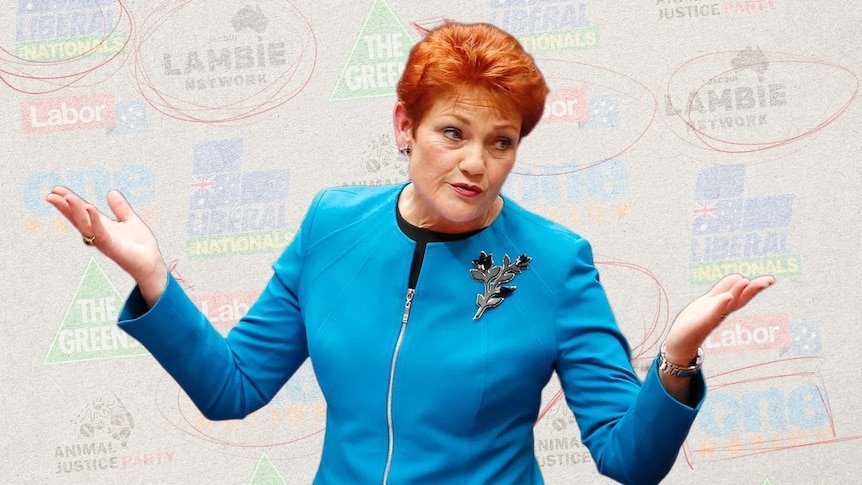
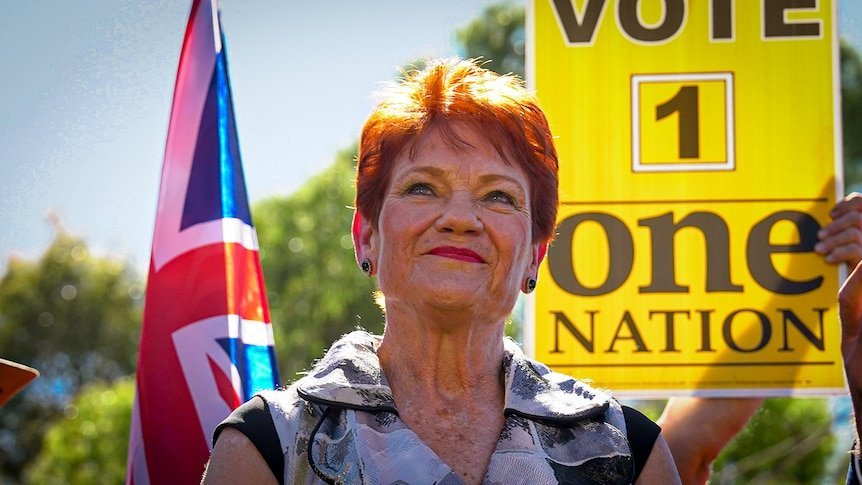
The Liberal Party has been grappling with internal divisions and a loss of direction, which has led to a decline in popularity and a surge in support for One Nation. The populist party, led by Pauline Hanson, has been capitalizing on the Liberal Party’s weaknesses, promising to speak to the concerns of disaffected voters who feel abandoned by the major parties.
Taylor’s leadership is seen as a last-ditch effort to salvage the Liberal Party’s fortunes and prevent a catastrophic loss in the next election. The party’s polls have been dismal, and the leadership change is seen as a desperate bid to shake things up and restore confidence among voters.
In a scathing critique of the Liberal Party’s recent performance, Taylor acknowledged that the party had been “distracted” and had “forgone the politics of conviction.” He vowed to restore the party’s focus on core values and priorities, saying that the party had a choice to “change or die.”
As the Liberal Party struggles to regain its footing, One Nation is poised to capitalize on the party’s weaknesses. Hanson has been vocal about her ambitions to become a party of government, and her party’s surge in popularity has sent shockwaves through the political establishment.
Analysis: What This Means for Australia
The Liberal Party’s leadership crisis has significant implications for Australia’s political landscape. If the party is unable to recover and regain the trust of voters, it could lead to a seismic shift in the country’s politics. One Nation’s surge in popularity raises concerns about the rise of populist sentiment and the potential for divisive politics to take hold.
Security analysts say that the political instability could have far-reaching consequences for national security, as a weakened Liberal Party could struggle to provide effective leadership on critical issues. The party’s failure to address the concerns of disaffected voters could also lead to a rise in extremist sentiment and a breakdown in social cohesion.
Industry observers believe that the leadership change could have significant economic implications, as the Liberal Party’s uncertainty could lead to a decline in business confidence and a loss of investment. The party’s failure to address the concerns of small business and rural communities could also lead to a decline in economic growth and a rise in unemployment.
As the Liberal Party struggles to regain its footing, one thing is clear: the stakes are high, and the consequences of failure could be catastrophic for the party and the country. Taylor’s leadership will be closely watched, and the party’s ability to recover and regain the trust of voters will be a critical test of its survival.