
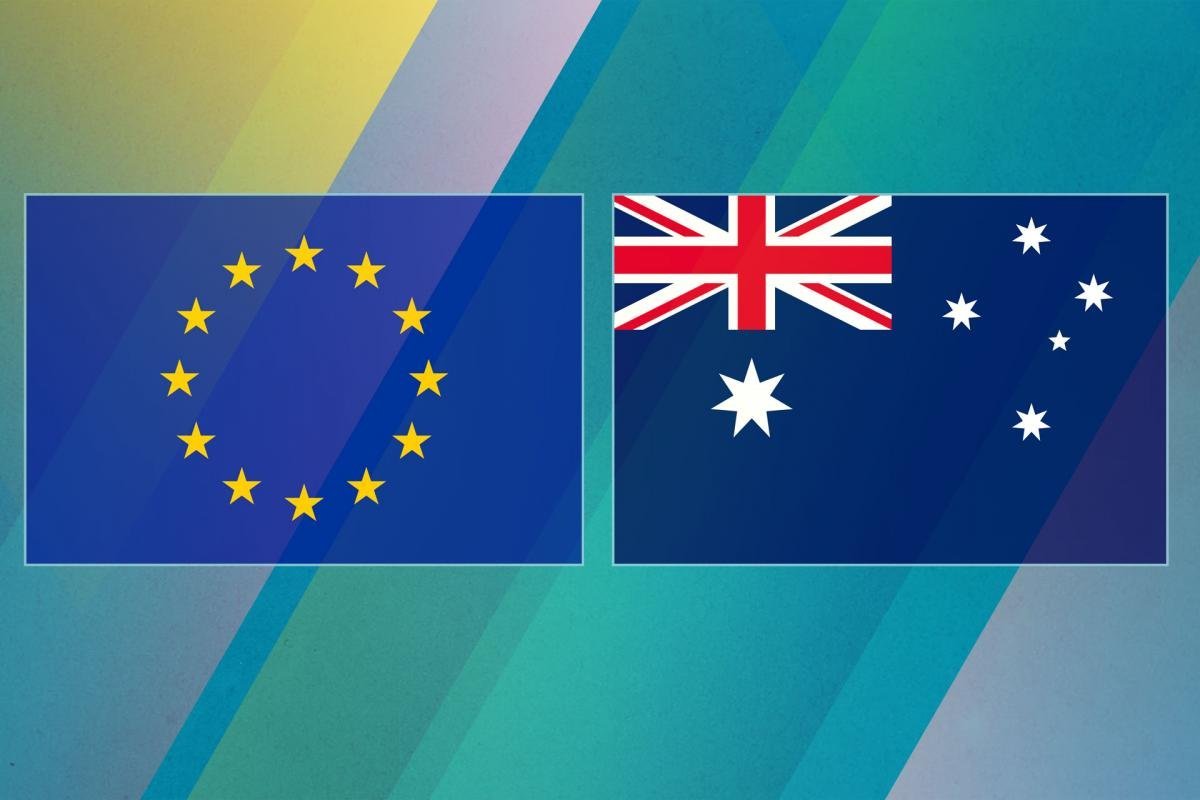
Australia on Brink of Historic EU Trade Deal: What It Means for National Security and Our Farmers
- Farmers in Australia and the EU warn of intensified competition in fragile markets
- Deal could deliver a significant boost to GDP and reinforce strategic relationship with EU
- But critics say EU’s generous agricultural subsidies put Australian farmers at a disadvantage
The Australian government is on the cusp of securing a historic free trade agreement with the European Union, after years of tense negotiations. The deal, which is expected to be signed within weeks, promises to open up the 450 million-strong EU market to Australian producers, delivering a major win to the federal government and potentially boosting GDP. However, farmers in Australia and the EU have raised concerns about the impact of the agreement on their industries, warning of intensified competition in already fragile markets.
The breakthrough comes after Trade Minister Don Farrell flew to Brussels for talks with EU Trade Commissioner Maroš Šefčovič and Agriculture Commissioner Christophe Hansen. Both sides have been negotiating over a range of issues, including working rights and labour mobility, Australia’s luxury car tax, and the use of geographical indicators that could stop Australian producers using labels such as “fetta” and “prosecco”.
While the deal is seen as a major achievement for the Albanese government, it has also sparked concerns about the impact on Australian farmers. The EU’s generous agricultural subsidies have long been a point of contention, with Australian farmers arguing that they put them at a disadvantage. The National Farmers’ Federation has urged the government to reject any deal that does not provide “significantly increased access” for Australian agricultural exports.
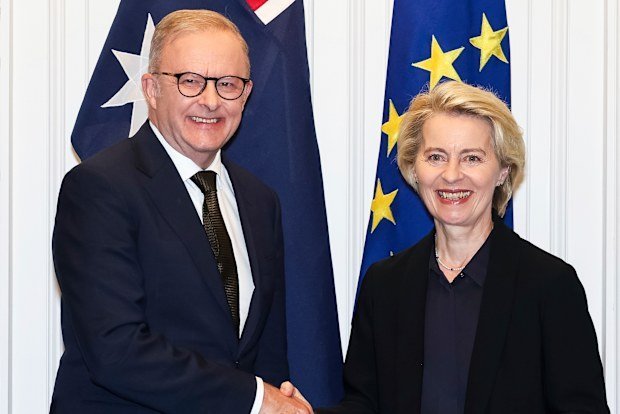
However, proponents of the deal argue that it will help reinforce the strategic relationship between Australia and the EU, which are already close to finalising a separate security partnership. The deal is seen as a major win for free trade in the face of global economic fragmentation and the Trump administration’s tariff assault. EU President Ursula von der Leyen is widely expected to travel to Australia to sign the free trade deal and the security partnership, although the exact timing of her visit is not yet clear.
Analysis: What This Means for Australia
The implications of this deal go far beyond the realm of trade and economics. It has significant national security implications for Australia, particularly in the face of growing global uncertainty. The deal will help reinforce our strategic relationship with the EU, which is critical in the face of rising tensions with China. It will also provide a major boost to our economy, which is still reeling from the impact of the pandemic.
Security analysts say that the deal will help strengthen our position in the Asia-Pacific region, where the EU is increasingly looking to play a more active role. It will also provide a major boost to our diplomatic efforts, as we seek to navigate the complex web of global alliances and partnerships.
Law enforcement insiders warn that the deal will also have significant implications for our border control and national security agencies. The increased flow of goods and people between Australia and the EU will require significant investment in our border security infrastructure, as well as increased cooperation between our law enforcement agencies.
Industry observers believe that the deal will have a major impact on our agricultural sector, which has long been a key driver of our economy. While some farmers may struggle to compete with EU producers, others will see significant benefits from increased access to the EU market.