
Chalmers Slams ‘Predictable Stunt’ as Taylor Proposes Bipartisan Budget Taskforce Amid IMF Warning on Australia’s Economy
- Treasurer Jim Chalmers dismisses Angus Taylor’s proposal for a bipartisan budget taskforce as a “predictable stunt”
- The International Monetary Fund warns of the need for wide-ranging tax reform in Australia, including scrapping the capital gains tax exemption
- The government is under pressure to address intergenerational inequality and restore fiscal discipline amid rising inflation and interest rates
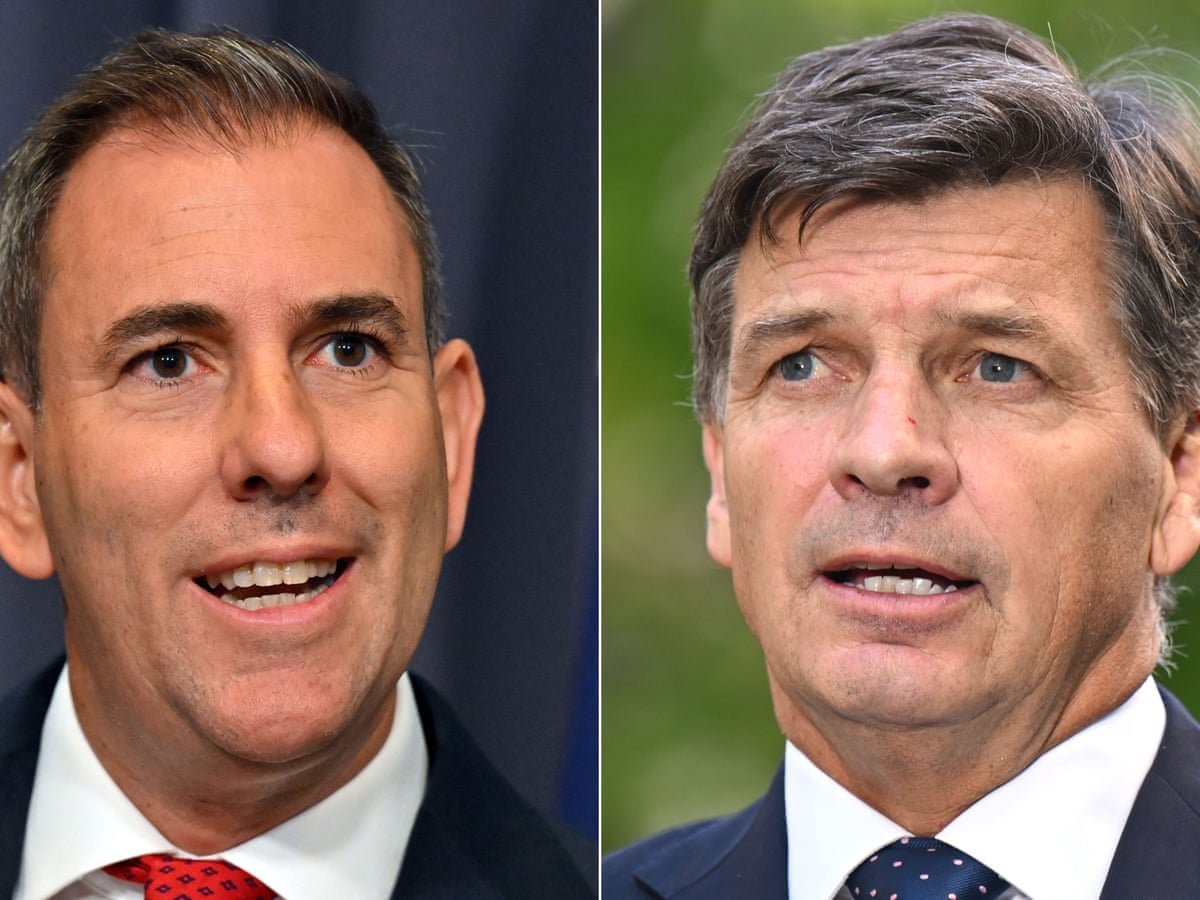
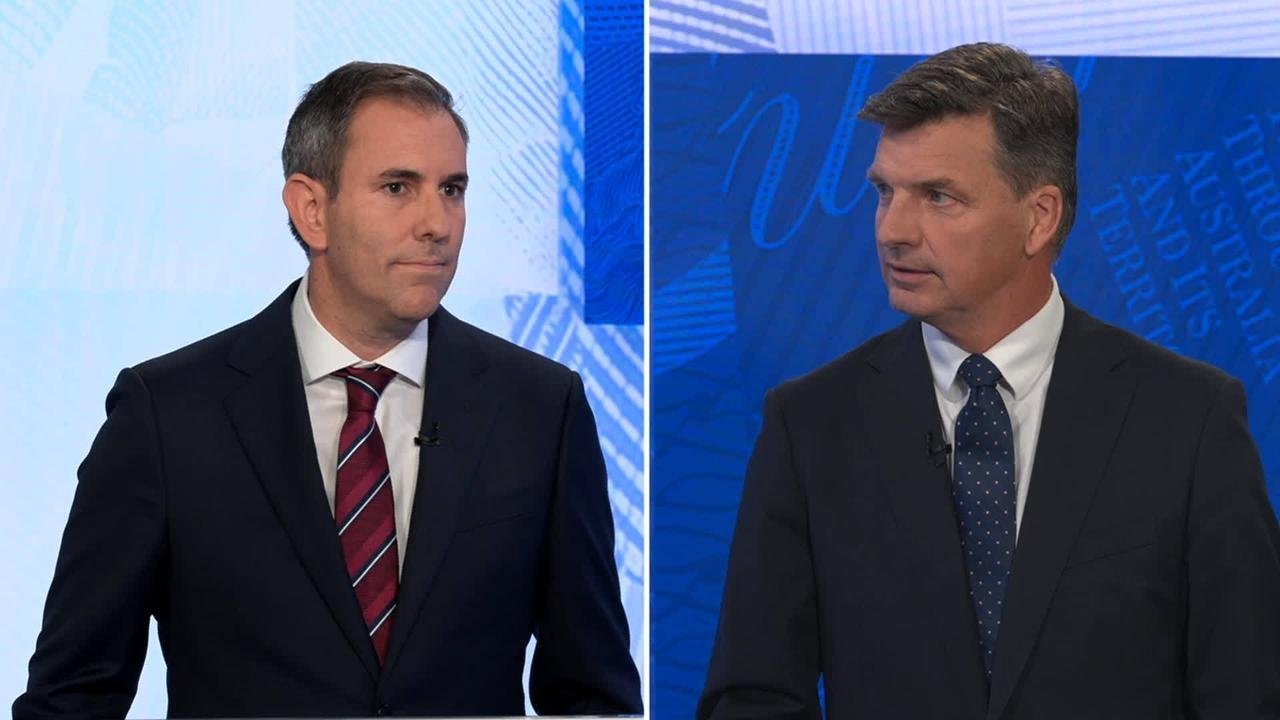
The Treasurer, Jim Chalmers, has scorned a proposal from the new Liberal leader, Angus Taylor, to establish a bipartisan taskforce to identify budget savings, labelling it a “predictable stunt”. This comes as the International Monetary Fund (IMF) issues a report on Australia’s economy, highlighting the need for urgent and credible budget repair.
Angus Taylor, in a letter to the Prime Minister, pitched the idea of a taskforce comprising equal numbers of government and opposition representatives to identify “practical, responsible and jointly supported measures for spending restraint”. He warned that “urgent and credible budget repair” was necessary to restore fiscal discipline, rebuild confidence, reduce inflation, and ease pressure on interest rates.
However, Chalmers was quick to mock the proposal, suggesting that it lacked substance and was a desperate attempt by the Liberal Party to regain economic credibility. “Angus Taylor promised ‘change or die’, and instead, he’s delivered a strongly worded letter,” Chalmers said. “This just shows how bereft the Liberal Party is of economic credibility.”
The IMF report, released yesterday, flagged the need for wide-ranging tax reform in Australia, including scrapping the capital gains tax exemption and increasing the goods and services tax rate. The report also suggested phasing out superannuation concessions and making changes to corporate income tax. The agency noted that Australia’s economy had managed a “soft landing” in the wake of the pandemic, but warned that a high reliance on direct taxes and a relatively high effective cost of capital hinders investment and productivity growth.
Chalmers described the IMF report as a “very positive” review of the government’s economic performance, but acknowledged that there was more work to do. “As always with these kinds of reports, the government won’t pick up and run with every idea,” he said. “But obviously, a lot of it is consistent with our thinking and with our economic reform agenda.”
Analysis: What This Means for Australia
The IMF’s warning on Australia’s economy and the government’s response to it will have significant implications for the country’s economic future. With inflation and interest rates on the rise, the need for fiscal discipline and budget repair has never been more pressing. The government’s ability to address intergenerational inequality and restore confidence in the economy will be crucial in the coming months.
Security analysts say that the government’s failure to address these issues could have serious consequences for national security, as a struggling economy can lead to social unrest and instability. Law enforcement insiders warn that the government’s inaction on budget repair could lead to a rise in criminal activity, as desperate individuals turn to illegal means to make ends meet.
Industry observers believe that the government’s response to the IMF report will be a critical test of its commitment to economic reform. If the government fails to take decisive action, it could lead to a loss of confidence in the economy and a decline in living standards for many Australians.