
Whooping Cough Epidemic: Australia’s Shameful 35-Year High as Vaccination Rates Plummet
- Australia records highest number of whooping cough cases in 35 years, with over 57,000 cases in 2024
- Childhood vaccination rates hit a 10-year low, contributing to the sharp increase in preventable diseases
- Experts warn of a “potentially catastrophic” decline in vaccination rates, risking the resurgence of diseases thought to be eradicated
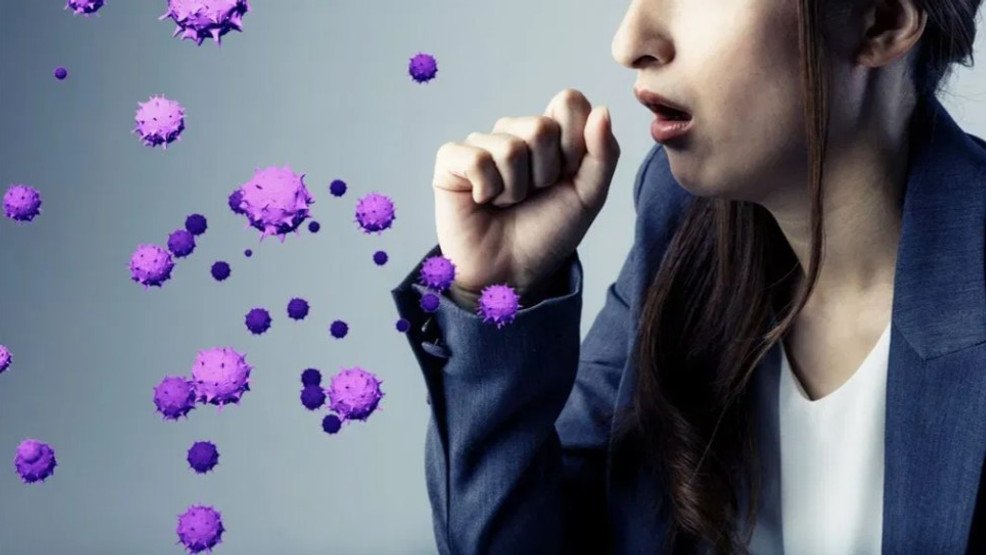
Australia is in the grip of a whooping cough epidemic, with a staggering 57,257 cases confirmed in 2024 – the highest number in 35 years. The alarming spike has been linked to a worrying decline in childhood vaccination rates, which have hit a 10-year low. Experts are sounding the alarm, warning that the country is on the brink of a public health crisis.
The Productivity Commission’s latest report reveals that the number of whooping cough cases rose to almost 800 cases per 100,000 Australian children in 2024-25, a sharp increase from the average rate of 183.5 per 100,000 children in the pre-pandemic years. The majority of cases – 37,663 – affected infants and children aged up to 14.
Infectious disease experts blame the decline in childhood immunisation rates for the resurgence of preventable diseases. “A potentially catastrophic decline in Australia’s childhood vaccination rates has contributed to the sharpest increase in cases of whooping cough in 35 years,” they warn. The Australian Centre for Disease Control’s surveillance system showed that the number of whooping cough cases has been steadily increasing since 2024, with 25,272 notifications confirmed in 2025.
The whooping cough outbreak is not an isolated incident. The decline in vaccination rates has also led to an increase in measles cases, with 181 confirmed cases in 2025 – up from 57 in the previous year. Experts fear that if vaccination rates do not rebound, Australia could face a devastating re-emergence of diseases thought to be eradicated, such as endemic measles.
Analysis: What This Means for Australia
The whooping cough epidemic is a stark reminder of the importance of vaccination in preventing the spread of preventable diseases. The decline in childhood vaccination rates is a national security issue, putting the health and wellbeing of Australian children at risk. The economic and social consequences of a preventable disease outbreak are significant, and the government must take immediate action to address the decline in vaccination rates.
Security analysts say that the decline in vaccination rates is a result of misinformation and “anti-vaccine propaganda” proliferating on social media. “It’s far easier to be misinformed than to be informed” about vaccination safety in Australia, says Dr. Paul Griffin, director of infectious diseases at Mater Health Services. The government must take a proactive role in promoting accurate information about vaccination safety and empowering frontline workers with the resources they need to educate patients.
The whooping cough epidemic is a wake-up call for Australia. It’s time for the government to take action to address the decline in vaccination rates and ensure that Australian children are protected from preventable diseases. The consequences of inaction are too great to ignore. As Dr. Archana Koirala, a paediatrician and infectious diseases specialist, warns, “If we don’t do something about it, we’re going to start seeing a whole host of these things that really should be much better controlled than they are at the moment, and that includes basically all vaccine-preventable diseases.”
Industry observers believe that the government must take a multi-pronged approach to address the decline in vaccination rates, including increasing funding for public health campaigns, improving access to vaccination services, and promoting accurate information about vaccination safety. The time to act is now, before it’s too late.