
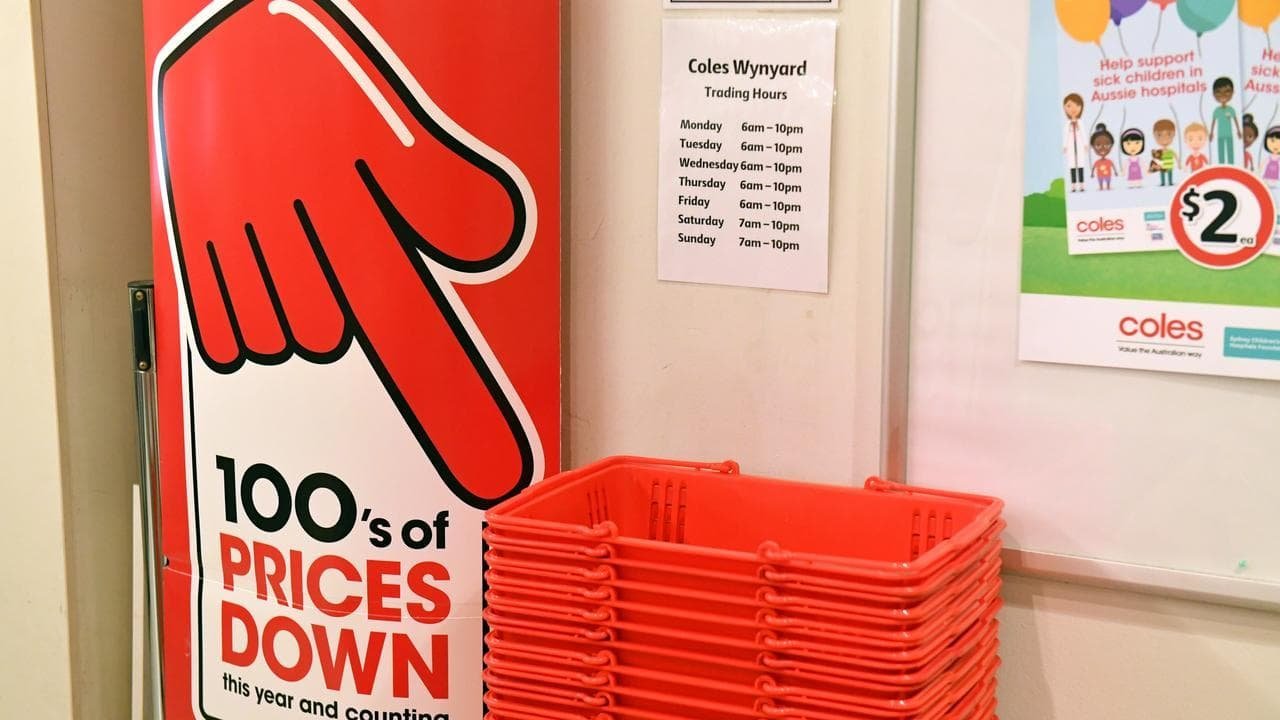
Supermarket Scandal: Coles’ ‘Down Down’ Price Tags Exposed as Deceptive Marketing Ploy
- Coles’ ‘Down Down’ price tags accused of being part of a “planned” campaign to mislead customers
- ACCC claims supermarket giant jacked up prices before cutting them and labeling them as “Down Down” deals
- Experts warn of serious implications for consumer trust and Australia’s retail industry
The Australian Competition and Consumer Commission (ACCC) has launched a bombshell lawsuit against Coles, accusing the supermarket giant of deceiving customers with fake discounts on hundreds of everyday items. The ACCC claims Coles’ “Down Down” price tags are part of a “planned” campaign to mislead shoppers, and that the company jacked up prices for a short time before cutting them and labeling them as discounts.
The case, dubbed “the case of the century” by a former ACCC boss, has sparked outrage among consumers and experts, who warn of serious implications for consumer trust and Australia’s retail industry. Coles has downplayed the significance of its “Down Down” price tags, saying they are simply an indication that the company is trying to keep prices low. However, the ACCC alleges that the tags are part of a deliberate strategy to deceive customers and boost sales.
The ACCC claims that Coles increased prices for a short time before placing items on the “Down Down” promotion, making the discounts appear more attractive to customers. The consumer watchdog alleges that the “Down Down” price was often the same as or higher than the regular price, and that Coles failed to disclose this information to customers.
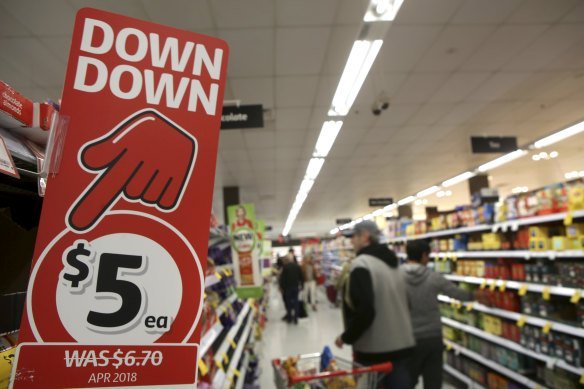
In court, Coles’ legal counsel, John Sheahan KC, argued that the ACCC’s case was too complicated and relied on an assumption that ordinary consumers understood the many factors that went into deciding a price. He said that customers were more concerned with whether the claimed discount was “fair dinkum” than with the complex pricing strategies used by Coles.
However, the ACCC alleges that Coles’ pricing strategies are designed to be misleading and deceptive. The consumer watchdog used the example of a can of dog food, which was sold for $4 for 296 days before the price was increased to $6 for seven days, and then “discounted” to $4.50 as part of the “Down Down” promotion. The ACCC claims that this pricing strategy is “utterly misleading” and fails to disclose the true nature of the discount.
Analysis: What This Means for Australia
The ACCC’s lawsuit against Coles has serious implications for consumer trust and Australia’s retail industry. If successful, the case could lead to changes in the way supermarkets advertise and promote their products, and could result in greater transparency and accountability in the industry. The case also highlights the need for stronger consumer protection laws and greater enforcement of existing regulations.
Security analysts say that the case highlights the importance of vigilance in protecting consumers from deceptive marketing practices. “This case shows that even large and reputable companies can engage in deceptive practices, and it’s up to regulators and consumers to hold them accountable,” said one analyst.
Industry observers believe that the case could have far-reaching implications for the retail industry, and could lead to changes in the way companies approach pricing and promotions. “This case is a wake-up call for the industry, and could lead to a more transparent and customer-centric approach to pricing and promotions,” said one observer.
The case continues over the next fortnight, with the ACCC seeking to prove that Coles engaged in deceptive conduct and breached Australian consumer law. The outcome of the case will have significant implications for consumers, retailers, and the broader economy.