
Leaked Liberal Immigration Policy Sparks Fears of Trump-Style Rhetoric and National Security Risks
- A leaked Liberal party document reveals plans to ban immigrants from 13 countries deemed terrorist hotspots, sparking concerns of a drift away from liberal democratic values.
- The policy, likened to Trump’s Muslim ban, would remove 100,000 visa overstayers and restrict new visas, but experts warn it may not be effective in practice.
- Deep divisions within the party have been exposed, with senior members denying knowledge of the document and others signalling a desire to pursue similar goals.
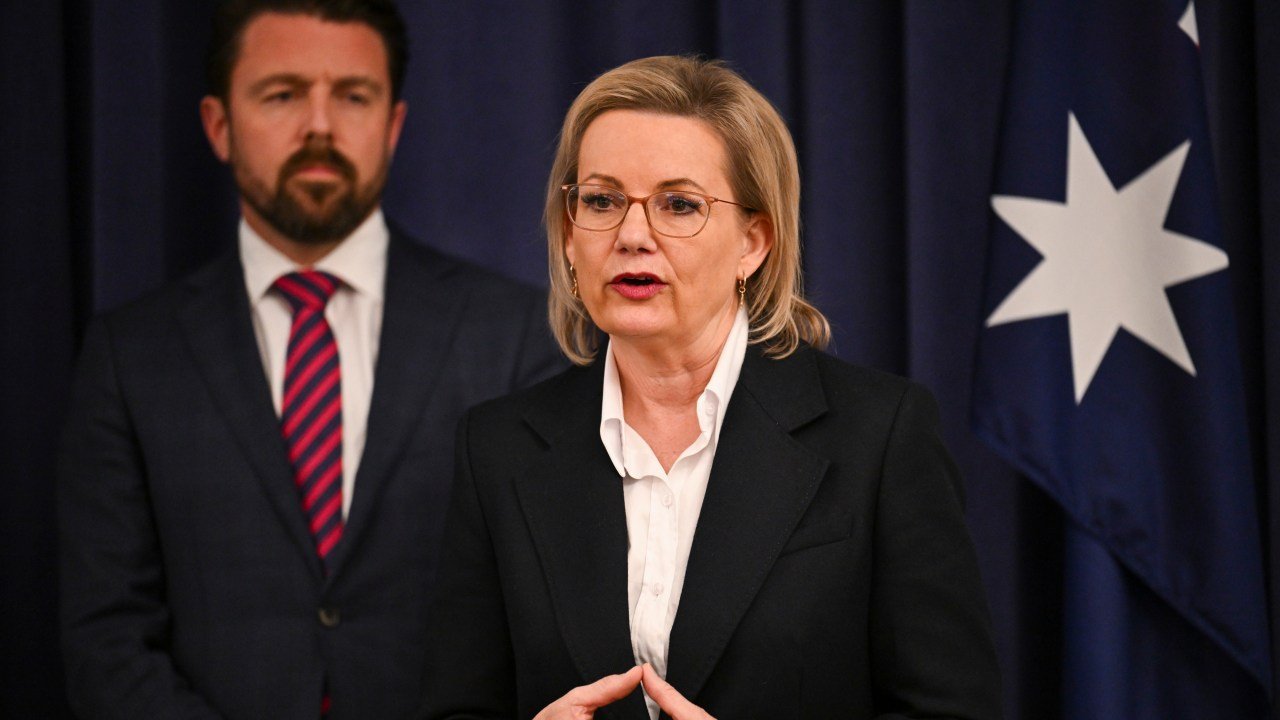
The Liberal party’s leaked immigration policy has sent shockwaves through the political landscape, with a leading migration expert warning that it risks drifting too far from the party’s liberal democratic values. The document, prepared under former leader Sussan Ley, proposes to remove 100,000 visa overstayers and restrict new visas from regions deemed terrorist hotspots, including 13 countries with Islamic extremist-controlled regions.
The policy has been likened to Trump’s Muslim ban, with Australian National University Migration Hub director Professor Alan Gamlen describing it as “Trumpian” and “an echo of something from the AmericaFirst agenda under President (Donald) Trump”. Gamlen warned that the party risks losing its way by adopting tough rhetoric that may not be effective in practice.
The plan has sparked deep divisions within the party’s ranks, with Opposition Immigration spokesperson Paul Scarr denying any knowledge of the document and expressing serious concerns about its proposals. New Opposition Leader Angus Taylor has also distanced himself from the policy, insisting it has “no validity” since it has not been approved by any decision-making body of the Coalition.
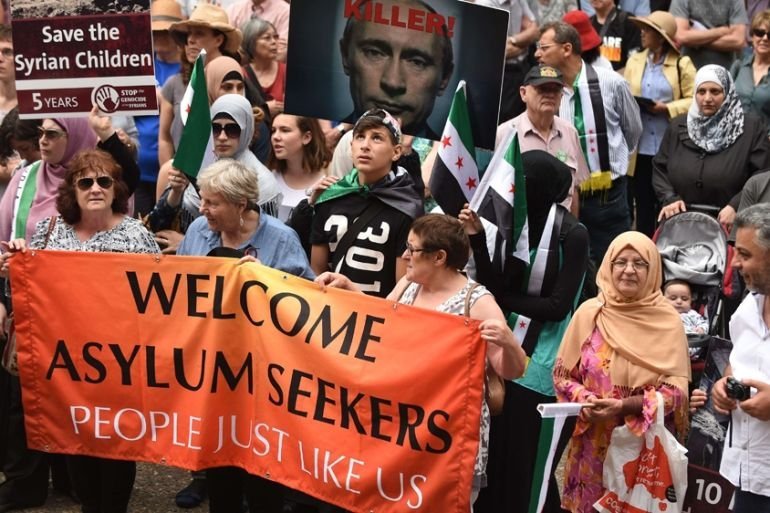
However, Taylor has signalled that he would pursue similar goals through a fresh policy, arguing that immigration “numbers have been too high and standards too low”. He suggested expanding the government’s authority to cancel or deny visas to individuals who “do not share Australia’s core values of democracy, rule of law and freedom of religion”.
Experts warn that the policy could have far-reaching consequences for national security, with Gamlen describing some proposals as “quite cosmetic” and likening country bans to “a value statement, which is a bit like Facebook updating its terms and conditions”.
Analysis: What This Means for Australia
The leaked policy has sparked concerns about the Liberal party’s commitment to liberal democratic values and its ability to effectively manage immigration and national security. The party’s drift towards Trump-style rhetoric risks alienating key voting blocs and undermining trust in the political process.
Security analysts warn that the policy’s focus on country bans and visa restrictions may not be effective in preventing terrorist activity, and could lead to unintended consequences such as increased radicalization and social unrest.
Law enforcement insiders warn that the policy’s emphasis on “high-risk areas” could lead to racial and religious profiling, undermining community trust and cooperation with authorities.
Industry observers believe that the policy’s focus on reducing immigration numbers could have significant economic consequences, particularly in sectors that rely heavily on migrant labour.
Ultimately, the leaked policy has raised more questions than answers about the Liberal party’s approach to immigration and national security. As the party grapples with its identity and direction, Australians are left wondering what this means for the country’s future.