

‘Prison Trap’: Shocking 50% Re-Offending Rate Exposes Australia’s Failing Justice System
- A staggering one in two Australians released from prison end up back behind bars within two years, new data reveals.
- The national inmate population has reached an eight-year high, with prison costs skyrocketing to a staggering $7.3 billion.
- Experts warn that the current system is failing, with prisoners being released back into the same disadvantaged circumstances that led to their initial incarceration.
- One in three women is released from prison with nowhere to live, putting them at an extreme disadvantage and raising the chances of re-offending.
Australia’s justice system is facing a crisis, with a staggering 50% of prisoners re-offending within two years of their release. The alarming new data has sparked concerns about the effectiveness of the current system, which is not only failing to rehabilitate prisoners but also putting a massive strain on the economy.
The national inmate population has reached an eight-year high, with prison costs skyrocketing to a staggering $7.3 billion. Despite claims from some state governments that crime rates are down due to tougher sentencing, experts argue that the data is being misconstrued. Criminologist and CEO of Project Herself, Tahlia Isaac, who has previously been incarcerated, says that the focus on punishment rather than rehabilitation is a major contributor to the high re-offending rate.
“People often enter prison from extreme disadvantage, and that includes poverty, housing insecurity, mental health challenges, addiction issues,” Isaac explained. “When they are released from prison, they’re often released back into the same circumstances. So they haven’t had an opportunity to really look at or change any circumstances.”
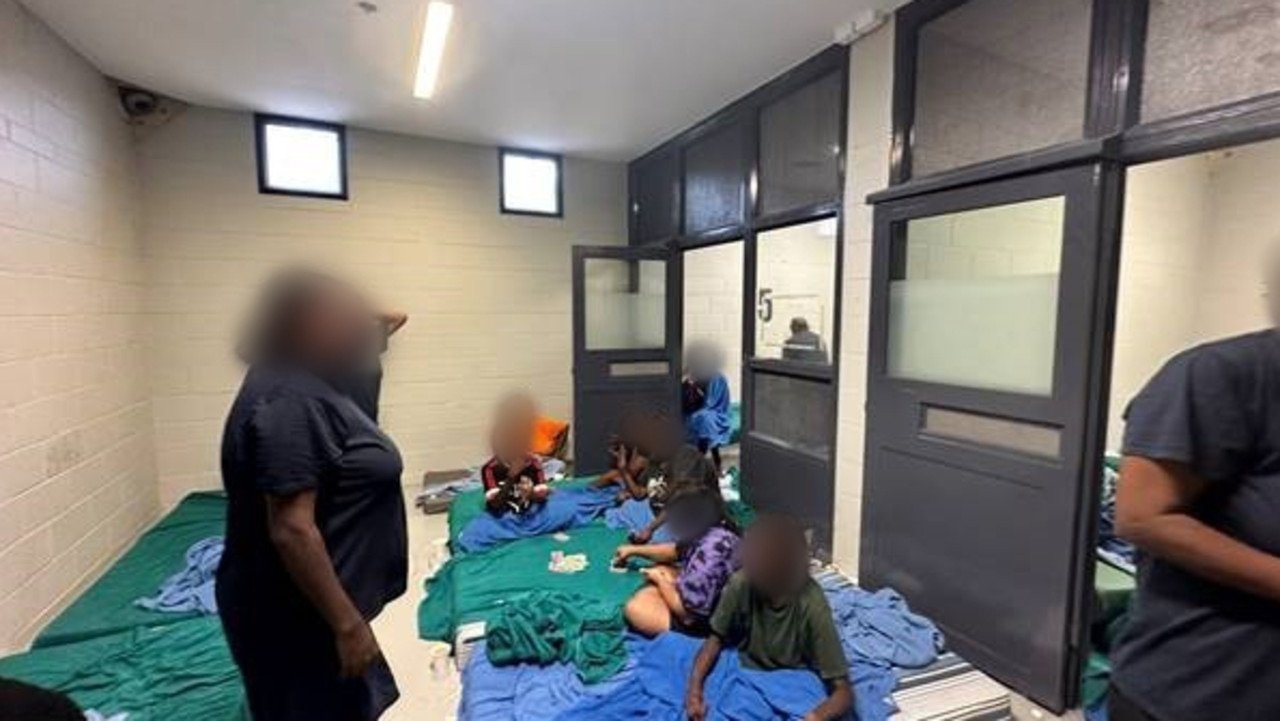
Isaac’s organisation, Project Herself, is a lived experience-led group that supports women in prison through release planning and mentorship programs. The organisation is backed by the Westpac Scholars Trust, alongside other groups like 16 Yards, to develop peer-led solutions to tackle over-incarceration and re-offending rates.
Security analysts say that the high re-offending rate is a major concern for national security, as it indicates a failure to address the root causes of crime. “Prisons aren’t making the people who go to prison better. They’re not making our community safer. Victims aren’t being considered in it either. So, you know, no one’s better off,” Isaac warned.
Analysis: What This Means for Australia
The high re-offending rate has significant implications for Australia’s national security, law enforcement, and community safety. It highlights a failure of the current system to address the root causes of crime and provide adequate support for prisoners upon their release. The economic burden of the prison system is also a major concern, with costs skyrocketing to $7.3 billion.
Industry observers believe that a shift in focus towards rehabilitation and support services is needed to address the high re-offending rate. This includes providing prisoners with access to education, job training, and mental health services, as well as support for housing and employment upon their release. By addressing the underlying causes of crime, Australia can work towards creating safer and more secure communities.
Law enforcement insiders warn that the current system is unsustainable and that a new approach is needed to address the high re-offending rate. By investing in rehabilitation and support services, Australia can reduce the economic burden of the prison system and create safer communities for all.