
Blood on Their Hands: Two Mental Health Patients Escape Sydney Hospital, Leave Trail of Death and Destruction
- Two men abscond from Cumberland Hospital, allegedly killing three people in separate incidents, sparking outrage and calls for accountability
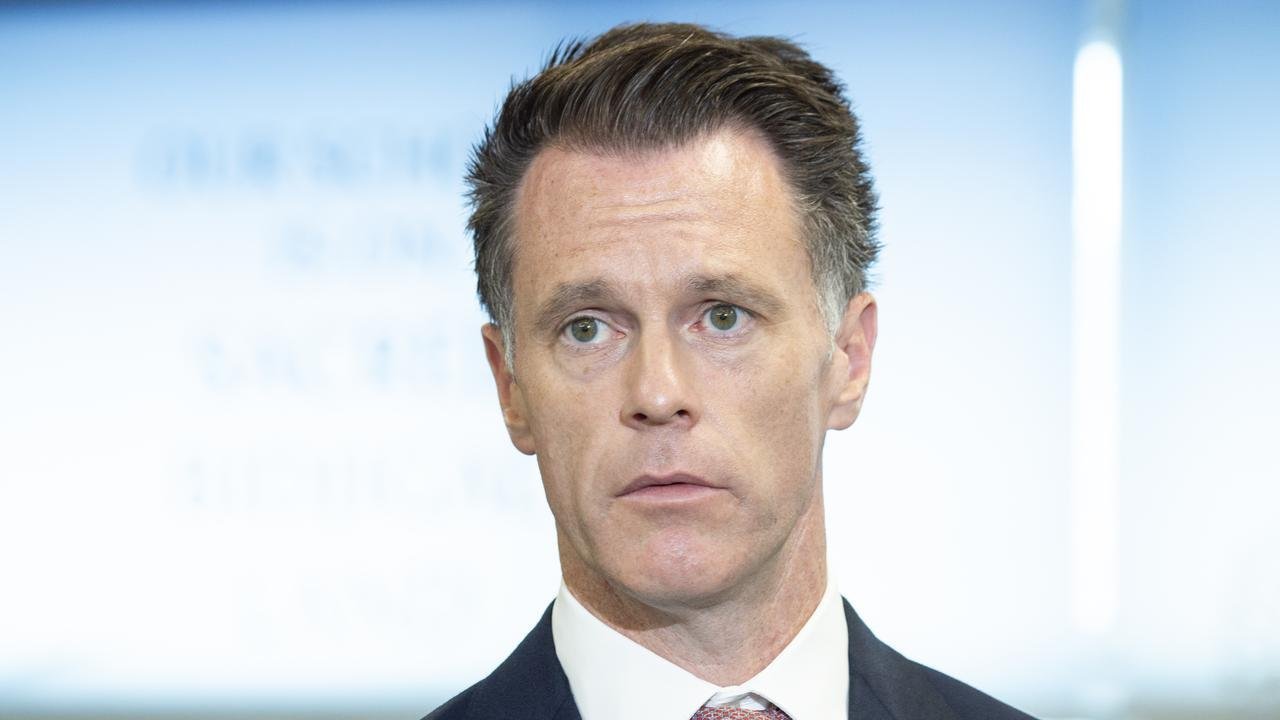
- Premier Chris Minns admits “something has gone badly wrong” in both cases, as review into hospital’s security and mental health system begins
- Experts warn of a “broken” mental health system, citing decades of underinvestment and neglect, as families of victims demand answers
- Questions raised over police response, as it emerges they had contact with one of the escapees but failed to re-arrest him due to a technicality
The news is shocking, the consequences devastating. Two men, both patients at Cumberland Hospital’s mental health unit, escaped from care and allegedly went on to commit horrific crimes, leaving three people dead and countless lives shattered. The incidents have sparked outrage, with Premier Chris Minns admitting “something has gone badly wrong” and ordering a review into the hospital’s security and mental health system.
The first incident occurred on February 8, when 31-year-old Luke Peter Francis allegedly overpowered a nurse, stole an access card, and absconded from the hospital. Six days later, he was involved in a car crash in Camden, killing two women. Francis has since been charged with their deaths. Meanwhile, 25-year-old Setefano Mooniai Leaaetoa escaped from the same hospital 10 days before allegedly stabbing three people in Merrylands, killing one and critically injuring two.
The escapes have raised serious questions about the mental health system in New South Wales, with experts warning of a “broken” system that has been neglected for decades. “You’re looking at one of the largest precincts physically, there’s three security staff to cover every single eventuality,” said Nick Howson, president of the NSW Nurses and Midwives’ Association Cumberland branch. “And outside of hours, they’re the ones doing the transport of patients with us as well; there’s not enough people to go around.”

Security analysts say the incidents highlight a catalogue of failures, from inadequate staffing to poor communication between health authorities and law enforcement. “This is a classic example of a system that is under-resourced, under-staffed, and unable to cope with the demands placed upon it,” said one expert. “You can’t just blame the individuals involved; you have to look at the systemic failures that allowed this to happen.”
Analysis: What This Means for Australia
The incidents have far-reaching implications for national security, law enforcement, and community safety. They raise questions about the effectiveness of our mental health system, the allocation of resources, and the training of staff. They also highlight the need for better communication and coordination between health authorities, police, and other agencies. As one law enforcement insider warned, “If we can’t keep our most vulnerable citizens safe, how can we expect to keep the rest of the community safe?”
Industry observers believe the incidents will lead to a major overhaul of the mental health system, with a focus on increasing funding, improving staffing ratios, and enhancing security protocols. “This is a wake-up call for the government and health authorities,” said one expert. “They need to take a hard look at the system and make some serious changes, or risk facing more tragedies like this in the future.”
In the meantime, the families of the victims are left to pick up the pieces, their lives forever changed by the actions of two men who should have been in care. As Premier Minns said, “This is a deeply distressing, deeply distressing situation, and I feel terrible for the family members of those that have been affected and the family of the man that was killed.” The question now is, what will it take for the system to change?