

Australian Health Crisis: Antibiotic-Resistant Superbugs on the Rise, Threatening to Kill More Than Cancer
- Drug-resistant infections could claim 10 million lives globally by 2050, outpacing cancer deaths
- Australian doctors sound the alarm, warning of a potential pandemic and urging immediate action
- Pharmaceutical companies prioritize profit over public health, neglecting antibiotic production
Chris Bond’s life was forever changed when a severe infection ravaged his body, leaving him a quadruple amputee at just 19 years old. The antibiotics failed, and doctors were forced to amputate his left hand, fingers on his right hand, and both legs. “It was just shock,” Bond recalled, still grappling with the devastating consequences. Despite this, he has gone on to become a Paralympic gold medallist and captain of the Australian wheelchair rugby team.
But Bond’s story is a stark reminder of the growing threat of drug-resistant superbugs, which are becoming one of the biggest health threats of our time. Medical experts warn that without urgent action, common infections could kill more people than cancer. The statistics are alarming: by 2050, 10 million people could die every year from antimicrobial resistance – more deaths than cancer. Currently, 100 Australians die every week from drug-resistant infections.
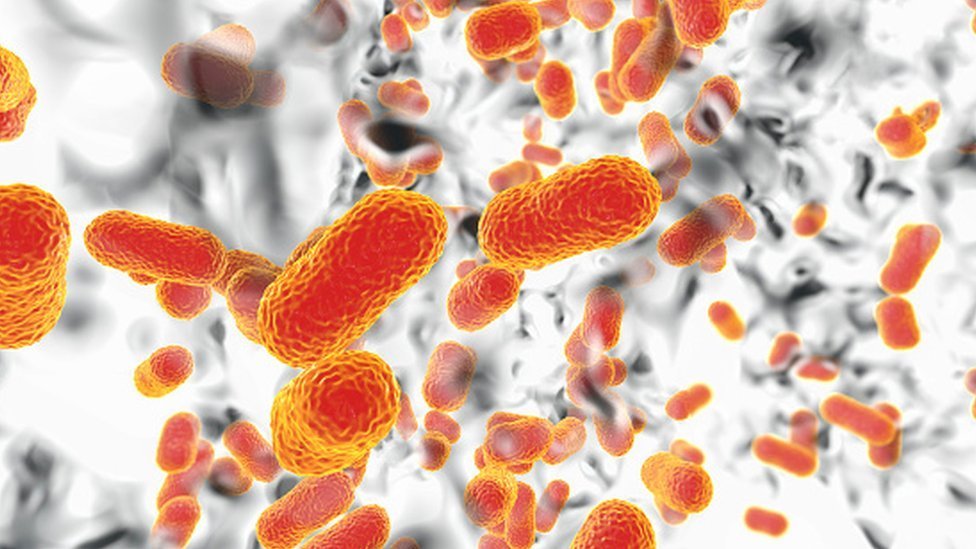
The root of the problem lies in the overuse of antibiotics and antifungals, which has led to the emergence of bacteria and fungus that no longer respond to these medications. Doctors are now making 500 applications every month to access new antibiotics from overseas that could fight Australian superbugs, warning the government that they are desperately needed. However, major pharmaceutical companies are not producing these life-saving drugs as much anymore, opting instead to focus on more lucrative markets like weight loss and treatments for diabetes and cholesterol.
At a major medical summit, doctors from around the world are discussing potential solutions, including the UK subscription model, where the government pays a fixed fee to secure new antibiotics even if they’re rarely used. Experts believe that if all G7 countries come together, pharmaceutical companies will be incentivized to restart novel antibiotic production.
Analysis: What This Means for Australia
Security analysts say that the rise of drug-resistant superbugs poses a significant threat to national security, as it could cripple our healthcare system and leave us vulnerable to pandemics. Law enforcement insiders warn that the illegal trade of antibiotics could become a major concern, with criminals exploiting the desperation of those affected. Industry observers believe that the economic consequences could be dire, with the potential to disrupt global trade and commerce.
Experts caution that without immediate action, the consequences could be catastrophic. Infections at childbirth and post-operative infections could become untreatable, and people with diabetes would be at risk of developing deadly infections. Transplants would also become increasingly risky. The Australian government must take a proactive stance in addressing this crisis, working with international partners to incentivize pharmaceutical companies to produce life-saving antibiotics and develop new treatments.