
Australia’s Deadly Coast: Nation Records Most Fatal Shark Attacks in the World in 2025
- Australia saw five of the nine fatal shark attacks worldwide in 2025, with a total of 21 unprovoked attacks on its coastlines.
- The country’s beaches were the deadliest, with two fatalities in NSW, two in Queensland, and one in Western Australia.
- Experts warn that the spike in attacks is partly due to an increase in white sharks aggregating near popular surf spots.
- Despite the dangers, shark populations remain below historical levels, with 30% of species categorized as endangered.
Australia’s coastline has proven to be a deadly trap for beachgoers and surfers, with the nation recording the most fatal shark attacks in the world in 2025. According to the International Shark Attack File, five of the nine fatalities worldwide occurred in Australian waters, with a total of 21 unprovoked attacks across the country.
The Core News: What Happened, Who Was Involved, and Where
The victims of the deadly attacks included surfer Lance Appleby, who was bitten at Granites Beach on Adelaide’s Eyre Peninsula in January 2025. Just a month later, 17-year-old Charlize Zmud was killed while swimming with her best friend north of Brisbane. In March, Melbourne man Steven Payne, 37, was attacked while surfing at Wharton Beach near Esperance, 800km southeast of Perth. Two of the recorded fatalities were in NSW, including local business owner and father Mercury Psillakis, who was pulled under the water by a shark at Long Reach Beach in Sydney, and Swiss national Livia Mulheim, who was attacked at Kylies Beach on the state’s Mid North Coast.
The Deep Dive: Why This Is Happening Now
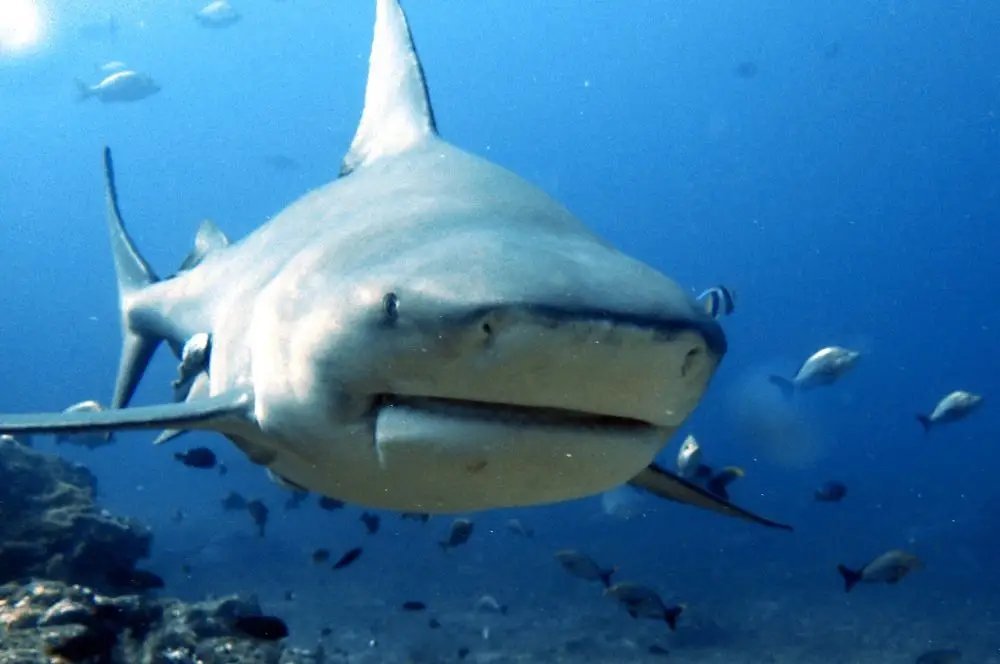
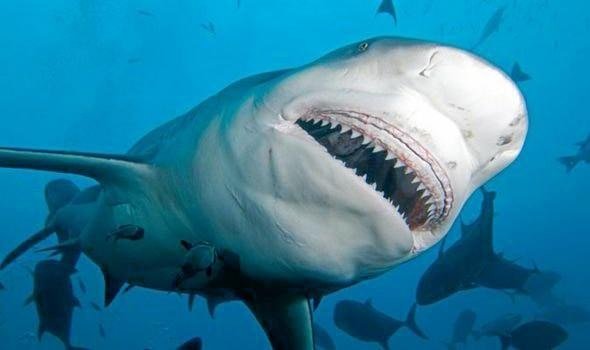
Australia’s beaches have long been known for their shark-infested waters, with the “big three” species – the white shark, tiger shark, and bull shark – responsible for most of the unprovoked fatal attacks on humans. According to Australian Geographic, these species are the primary culprits behind the majority of shark attacks in the country. Last year’s total of 21 unprovoked shark attacks in Australia is an increase on the most recent five-year annual average of 13.
Analysis: What This Means for Australia
The spike in shark attacks in Australia has raised concerns about national security and public safety. With the country’s coastline being a popular tourist destination, the increase in fatalities has sparked fears about the ability of authorities to respond to emergencies. However, experts say that Australia’s beach safety is second to none, with rapid response times and effective emergency services. “If these bites occurred anywhere other than Australia, they would probably have resulted in even more fatalities,” said Gavin Naylor, director of the Florida Program for Shark Research at the Florida Museum of Natural History.
Security analysts say that the increase in white sharks aggregating near popular surf spots is a major concern, as it increases the likelihood of attacks. Law enforcement insiders warn that the country needs to invest more in shark mitigation measures to prevent further fatalities. Industry observers believe that the rise in shark attacks is also linked to the increasing number of people engaging in water activities, making it more likely for humans to encounter sharks.
Despite the dangers, shark populations remain below historical levels, with 30% of species categorized as endangered. Experts say that overfishing and habitat destruction are major contributors to the decline of shark populations. “Out of the 1200 species, 30 per cent of them are categorized as endangered,” Naylor said. “That’s a lot, especially because these animals have managed to persist for about 330 million years.”
Experts advise that swimming with other people nearby and avoiding dawn and dusk, when sharks are most active, can decrease the chances of being bitten. They also recommend staying away from areas where people are fishing, as sharks are attracted to bait and can mistake humans for prey.