
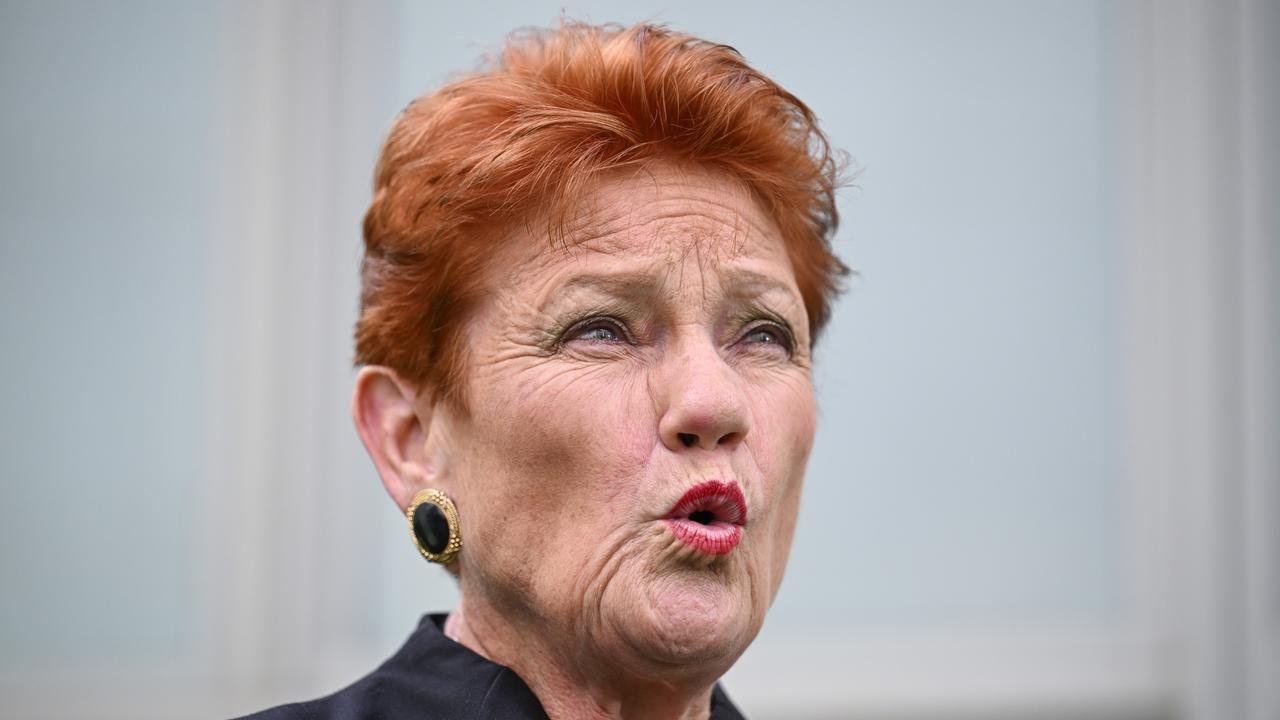
“Rise of the Forgotten: How One Nation Is Capturing the Hearts of Australia’s Forgotten Towns”
- Cessnock, a once-thriving town in the Hunter Region, is now a shadow of its former self, with ‘for lease’ signs outnumbering open doors.
- The region is facing a deepening housing crisis, with high rates of homelessness and extreme rental and mortgage stress.
- Locals are turning to One Nation, feeling that the party’s policies are the only chance to revive their towns and lives.
As I stepped into the main street of Cessnock, I was met with an eerie silence. The town, once bustling with activity, now feels like a ghost town. The few remaining businesses struggle to stay afloat, and the ‘for lease’ signs that dot the streets are a constant reminder of the region’s struggles. But beneath the surface, a quiet revolution is brewing. The people of Cessnock, and the wider Hunter Region, are turning to One Nation in droves, desperate for a change.
The region’s troubles are well-documented. The housing crisis is deepening, with over 81 per cent of renters and 61 per cent of mortgage holders experiencing acute financial stress. The wait times for social housing stretch up to 10 years, and many families are forced to go without medication and meals just to make ends meet. The once-thriving mining industry, which has long been the lifeblood of the region, is also facing an uncertain future as Australia pushes towards renewables.
It’s against this backdrop that One Nation has found fertile ground. The party’s message of economic nationalism and anti-immigration has resonated with many in the region, who feel that they’ve been left behind by the major parties. For them, One Nation represents a chance to take back control of their lives and their communities.

Analysis: What This Means for Australia
The rise of One Nation in the Hunter Region is a warning sign for the major parties. It’s a clear indication that the people of regional Australia are feeling forgotten, and that they’re willing to look outside the traditional political establishment for solutions. The party’s anti-immigration stance, in particular, has struck a chord with many in the region, who feel that the influx of new arrivals is exacerbating their economic and social woes.
Security analysts say that the shift towards One Nation is also a reflection of the region’s deep-seated fears about national security. The party’s tough stance on border control and its vocal opposition to the government’s handling of the asylum seeker crisis have resonated with many in the region, who feel that their safety is being compromised by the influx of new arrivals.
But the rise of One Nation also raises questions about the future of Australian politics. Will the party’s populist message continue to resonate with voters, or will it eventually fade away as the economy improves? And what does it mean for the major parties, who are struggling to connect with voters in regional Australia?
As I left Cessnock, I couldn’t help but feel that the town, and the region, are at a crossroads. The people of the Hunter Region are crying out for change, and One Nation is offering them a lifeline. But whether that lifeline will ultimately prove to be a solution or a siren song remains to be seen.