
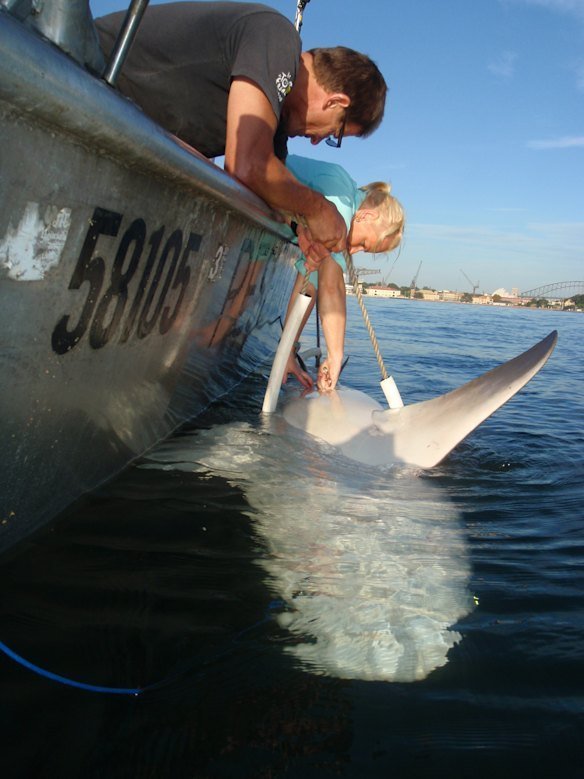
Shark Attack Fears Grip Sydney Harbour: Expert Warns of Deadly Risks in Iconic Waterway
- A former police diver warns of the deadly risks of shark attacks in Sydney Harbour’s open waters.
- Bull sharks are known to frequent the harbour, with no formal estimate of their population.
- Experts urge swimmers to be “shark smart” and avoid swimming in murky water and during dawn, dusk, and night-time.
- A charter boat business owner disagrees with the warning, saying people should be aware of the risks but not banned from swimming.
As the summer months approach, the picturesque Sydney Harbour is usually abuzz with swimmers, sailors, and partygoers. However, a former police diver has sounded the alarm, warning of the deadly risks of shark attacks in the harbour’s open waters. Glenn Johns, who spent 20 years recovering murder, drowning, and shark attack victims from the harbour, is adamant that people should not swim in unprotected areas due to the presence of bull sharks.
Johns’ warning comes on the heels of the tragic death of 12-year-old Nico Antic, who authorities believe was bitten by a bull shark while jumping off a rock ledge along Hermitage Foreshore Walk near Shark Beach at Vaucluse. The incident has raised concerns about the safety of swimming in the harbour, with many calling for increased measures to protect swimmers.
Sydney Harbour has a long history of bull shark sightings, with no formal estimate of their population. As a police diver, Johns had several close encounters with the predators, including one incident where a juvenile bull shark bit into his diving fin. He believes that the harbour’s murky waters and lack of visibility make it a hotspot for shark activity.
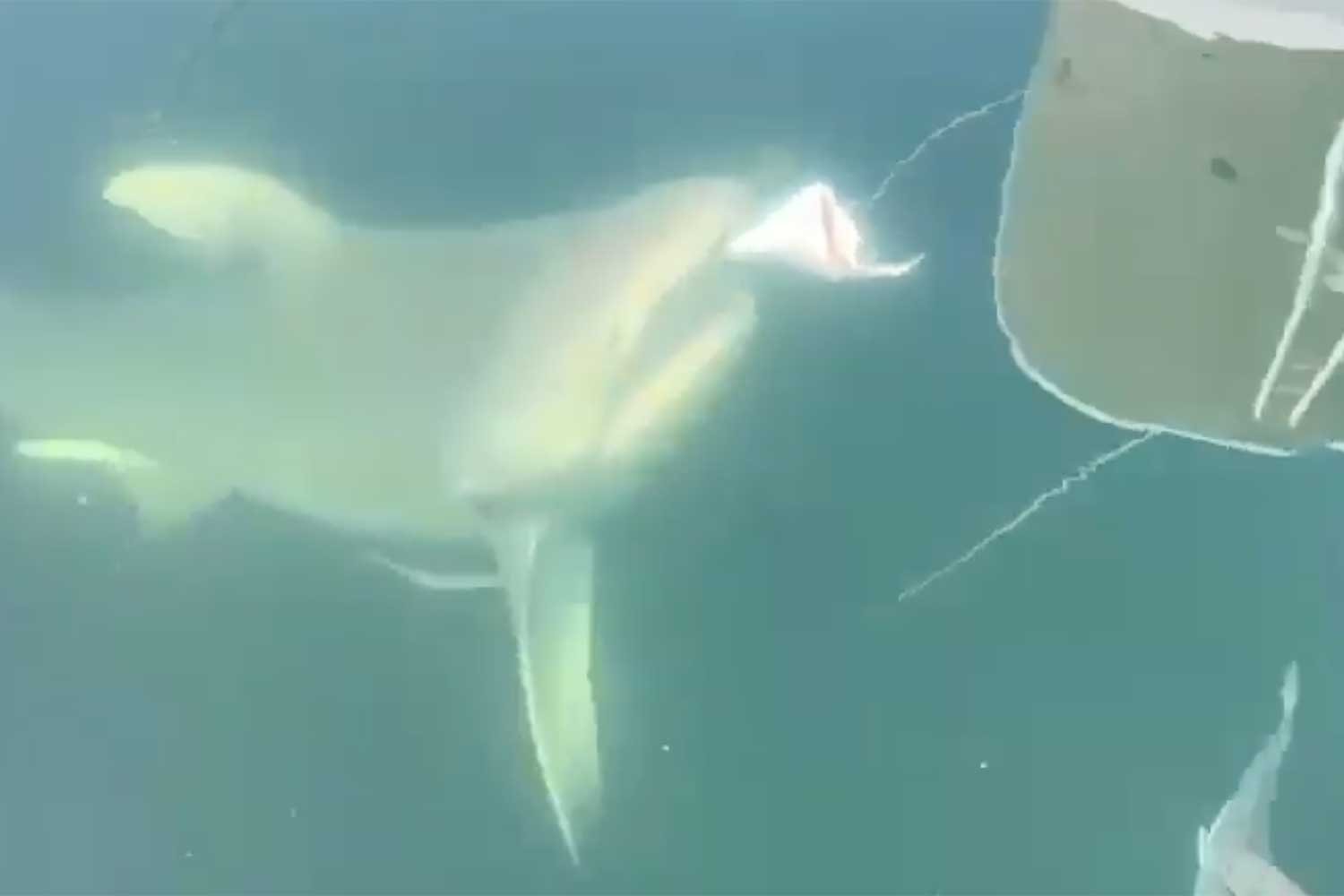
However, not everyone agrees with Johns’ warning. Charter boat business owner Dean Cropp, who has spent 11 years operating in the harbour, believes that people should be aware of the risks but not banned from swimming. “We can’t wrap ourselves in cotton wool,” he said, adding that loud noises and music from his boats tend to deter sharks.
But experts disagree. NSW Department of Primary Industries and Regional Development senior fisheries scientist Amy Smoothey, who has researched bull sharks for 15 years, said that there is no scientific evidence to support the claim that loud noises repel sharks. In fact, low-frequency pulses have been shown to attract sharks, resembling struggling fish.
Analysis: What This Means for Australia
The incident highlights the need for increased awareness and education about shark safety in Australia’s iconic waterways. While shark attacks are rare, they can be deadly, and it’s crucial that swimmers take necessary precautions to minimize the risk. The NSW government’s $4.2 million funding boost for shark management programs is a step in the right direction, but more needs to be done to ensure that our beaches and waterways are safe for everyone.
Security analysts say that the presence of bull sharks in Sydney Harbour poses a significant threat to public safety, particularly during peak tourist season. Law enforcement insiders warn that the harbour’s unique environment, with its murky waters and lack of visibility, makes it a challenging area to patrol and respond to shark sightings.
Industry observers believe that the incident will have significant economic and social consequences for the tourism industry, which is a vital contributor to Australia’s economy. The fear of shark attacks could deter visitors from swimming in the harbour, leading to a decline in tourist numbers and revenue.
As the summer months approach, it’s essential that authorities, swimmers, and boat operators work together to ensure that our waterways are safe and enjoyable for everyone. By being “shark smart” and taking necessary precautions, we can minimize the risk of shark attacks and enjoy the beauty of Sydney Harbour.