
Vaccine Hesitancy Epidemic: How Misinformation and Distrust are Putting Australian Lives at Risk
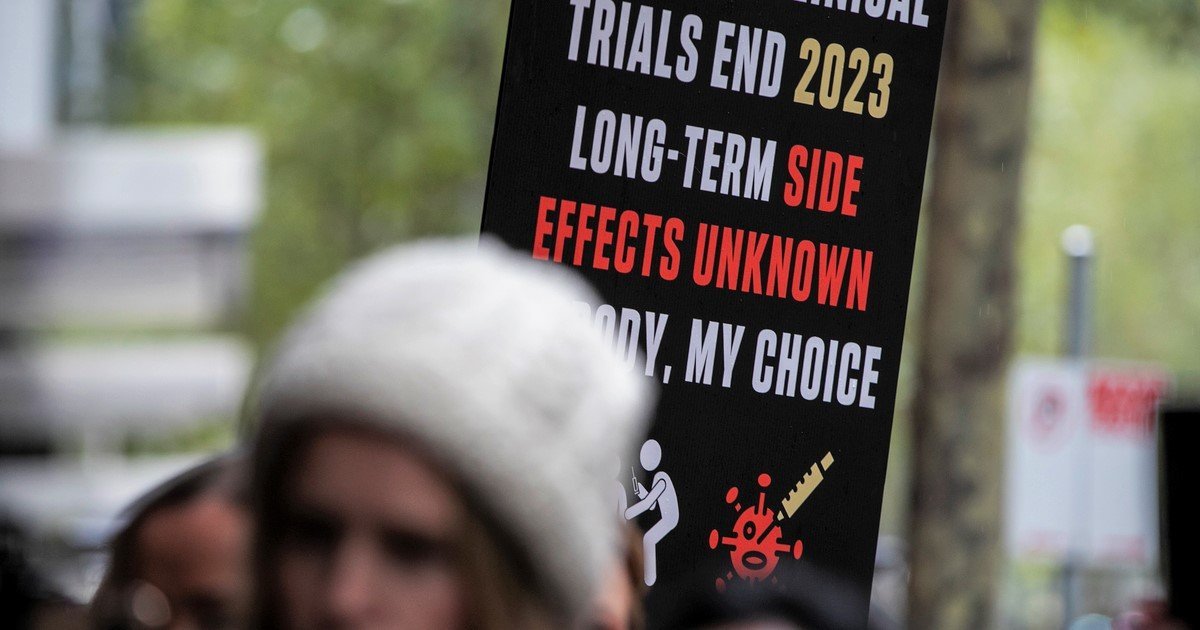
- Experts warn of a growing vaccine hesitancy crisis in Australia, fueled by misinformation and distrust in government
- Vaccine advocates are facing an uphill battle, with some days feeling like they’re “drowning in a sea of lies”
- The debunked link between the MMR vaccine and autism has resurfaced, with some parents questioning vaccine safety and efficacy
In the wake of the COVID-19 pandemic, Australia is grappling with a new epidemic – vaccine hesitancy. The consequences are dire, with experts warning that misinformation and distrust in government are putting lives at risk. For vaccine advocates like Catherine Hughes, the struggle to combat misinformation is a daily battle. Since losing her son to whooping cough in 2015, Hughes has dedicated her life to promoting vaccine awareness and education. However, she’s never seen vaccine hesitancy grow at such an alarming rate.
The core issue lies in the proliferation of misinformation, with the debunked link between the MMR vaccine and autism resurfacing on social media and at pregnancy and babies expos around the country. Expectant parents are querying the purpose of the recommended birth dose of the hepatitis B shot, which was recently scrapped from the US childhood vaccination schedule. While some questions are reasonable, Hughes believes that vaccine hesitancy is growing in ways she’s never seen before.
The situation is further complicated by the “vulnerability narrative” – parents who don’t believe the MMR vaccine causes autism but worry it might trigger it in a child who is already predisposed. This myth has been perpetuated by high-profile global figures questioning vaccine safety, eroding trust and acceptance in Australia’s childhood immunisation programs. The spillover effect is clear, with distrust and policy debates in the US being mirrored in Australia.
Analysis: What This Means for Australia
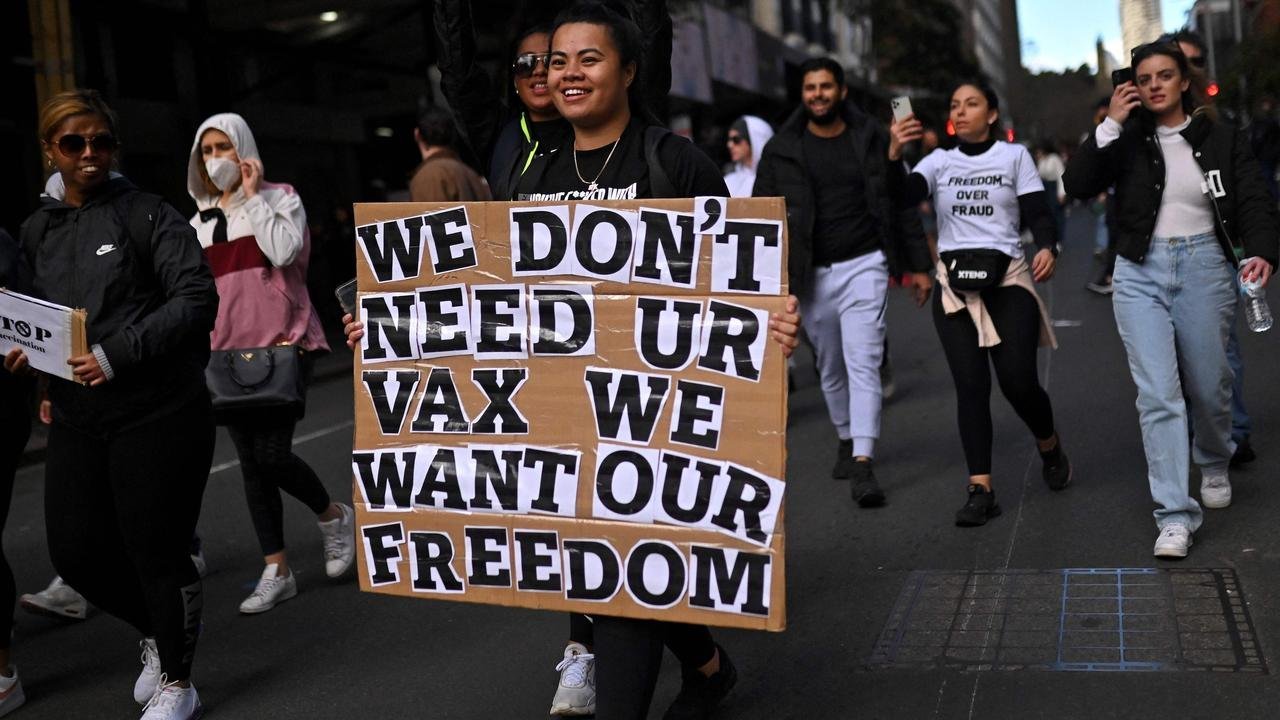
The growing vaccine hesitancy crisis has significant implications for national security, law enforcement, and community safety. With immunisation coverage rates stagnating, the risk of outbreaks and epidemics increases. The consequences are dire, with the potential for widespread illness, hospitalisation, and even death. Furthermore, the erosion of trust in government and the healthcare system can have far-reaching consequences, undermining public confidence and social cohesion.
Security analysts say that the spread of misinformation is a critical factor in the growth of vaccine hesitancy. The lack of trust in government and the healthcare system creates a power vacuum, allowing misinformation to spread quickly through social media and other channels. This can lead to a breakdown in social norms and community cohesion, making it harder to combat the spread of misinformation.
Law enforcement insiders warn that the consequences of vaccine hesitancy go beyond public health. The breakdown in trust and social cohesion can lead to increased tensions and conflicts, making it harder to maintain law and order. Furthermore, the economic and social consequences of epidemics and outbreaks can be devastating, leading to increased pressure on emergency services and healthcare systems.
Industry observers believe that the key to addressing vaccine hesitancy lies in rebuilding trust and confidence in government and the healthcare system. This requires a comprehensive approach, including education and awareness campaigns, improved communication, and increased transparency and accountability. It also requires addressing the root causes of vaccine hesitancy, including the spread of misinformation and the erosion of trust in institutions.
Ultimately, the vaccine hesitancy crisis is a complex issue that requires a multifaceted approach. It demands a concerted effort from government, healthcare professionals, and the community to rebuild trust, promote education and awareness, and combat misinformation. The stakes are high, but the consequences of inaction are too great to ignore. It’s time for Australia to take action and address the growing vaccine hesitancy crisis.