
Storm Chaos: Melbourne Battered by ‘Life-Threatening’ Flash Floods as 21mm of Rain Pours Down in Just One Hour
- Emergency warnings issued for severe thunderstorms affecting large areas of Melbourne and regional Victoria
- 21mm of rain dumped at Melbourne Airport and 12mm in the city in just one hour, sparking fears of flash flooding
- Over 7,000 properties left without power, with authorities warning of treacherous road conditions and potential landslides in bushfire-affected areas
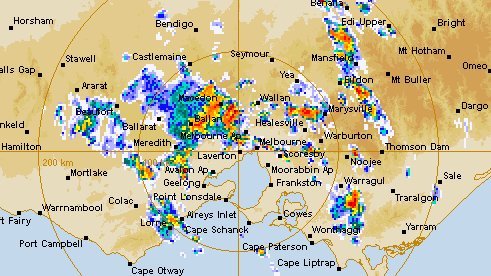
Melbourne has been battered by intense storms, with heavy rain and flash flooding causing chaos across the city and regional Victoria. Two emergency warnings were issued at 2pm, with authorities warning of “life-threatening” flash flooding in multiple areas.
The storms rolled in with a vengeance, dumping 21mm of rain at Melbourne Airport and 12mm in the city in just one hour. The deluge sparked fears of flash flooding, with Emergency Management Victoria warning of “dangerous and life-threatening” conditions.
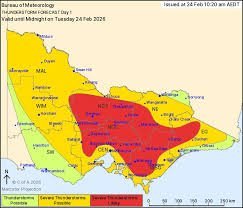
The severe weather warning was issued for almost half of the state, with authorities particularly concerned about the central and eastern districts. State Control Centre spokesperson Josh Gamble said 30 to 60mm of rain was forecast, making it “very difficult to forecast exactly where a storm will hit and what sort of damage will be sustained.”
The storms had a significant impact on the city’s infrastructure, with over 7,000 properties left without power. About half of them were in an area serviced by Citipower and Powercor, including the CBD, inner suburbs, and Melbourne’s west. Spokesperson Emma Tyner said crews were working as quickly as possible to restore power.
The heavy rain also raised concerns about landslides and wash debris in bushfire-affected areas. Authorities warned that the rain could create the potential for landslides and wash debris, such as ash, soil, trees, and rocks, into local waterways.
Analysis: What This Means for Australia
Security analysts say the severe weather event highlights the need for improved disaster preparedness and response in Australia. The country’s southeast is prone to extreme weather events, and the impact of climate change is expected to worsen the frequency and severity of such events. Law enforcement insiders warn that the disruption to critical infrastructure, such as power and transportation, can have significant implications for national security.
Industry observers believe that the storms will have significant economic and social consequences, particularly for those affected by the power outages and flash flooding. The event is a stark reminder of the need for investment in disaster resilience and mitigation measures.
As the country continues to grapple with the aftermath of the storms, one thing is clear: Australia must adapt to the new reality of extreme weather events and take proactive steps to protect its citizens and infrastructure.