
‘Groomed’ into Terror: The Shocking Story of an ISIS Bride’s Descent into Darkness
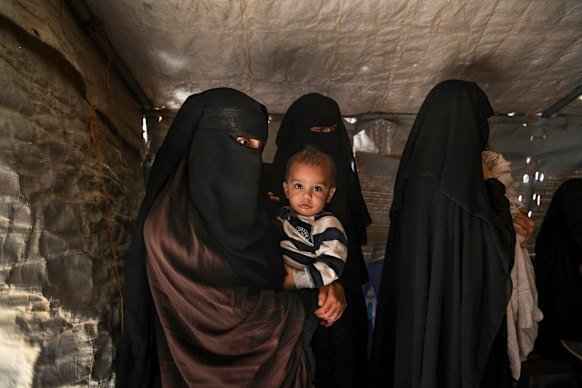
- Kirsty Rosse-Emile, 31, is stuck in a Syrian refugee camp with her two young children, pleading for the Australian government to help her return home.
- Her sister, Krystle, reveals how Kirsty was “influenced” by an older man to join Islamic State, and how she was “groomed” into marrying him at just 14 years old.
- The Australian government has refused to help Kirsty and 10 other women with links to IS, citing national security risks, but advocates say the children should not be punished for their parents’ actions.
The story of Kirsty Rosse-Emile, an Australian woman stuck in a Syrian refugee camp with her two young children, is a shocking tale of manipulation, exploitation, and the devastating consequences of radicalization. Kirsty, 31, is one of 11 women with links to the Islamic State (IS) terrorist group who are desperately trying to return to Australia, but the government has refused to help, citing national security risks.
Kirsty’s sister, Krystle, has spoken publicly for the first time about how Kirsty was “groomed” into marrying an IS fighter, Nabil Kadmiry, when she was just 14 years old. Krystle reveals how Kadmiry, who was 20 years older than Kirsty, would frequently visit their home, where he would sit with their father in the lounge room, discussing Islamic extremism. “I was always wondering why he was coming over,” Krystle said. “The reason was they got married.”
Krystle describes how Kirsty was a normal, happy child who converted to Islam with her family when she was seven years old. However, after marrying Kadmiry, Kirsty’s life took a drastic turn. “She got married at 14. I cried, honestly, because she was so young,” Krystle said. “You got to be a child, you got to grow, you got to experience life. She hasn’t. She’s experienced a lot of trauma, a lot of pain.”
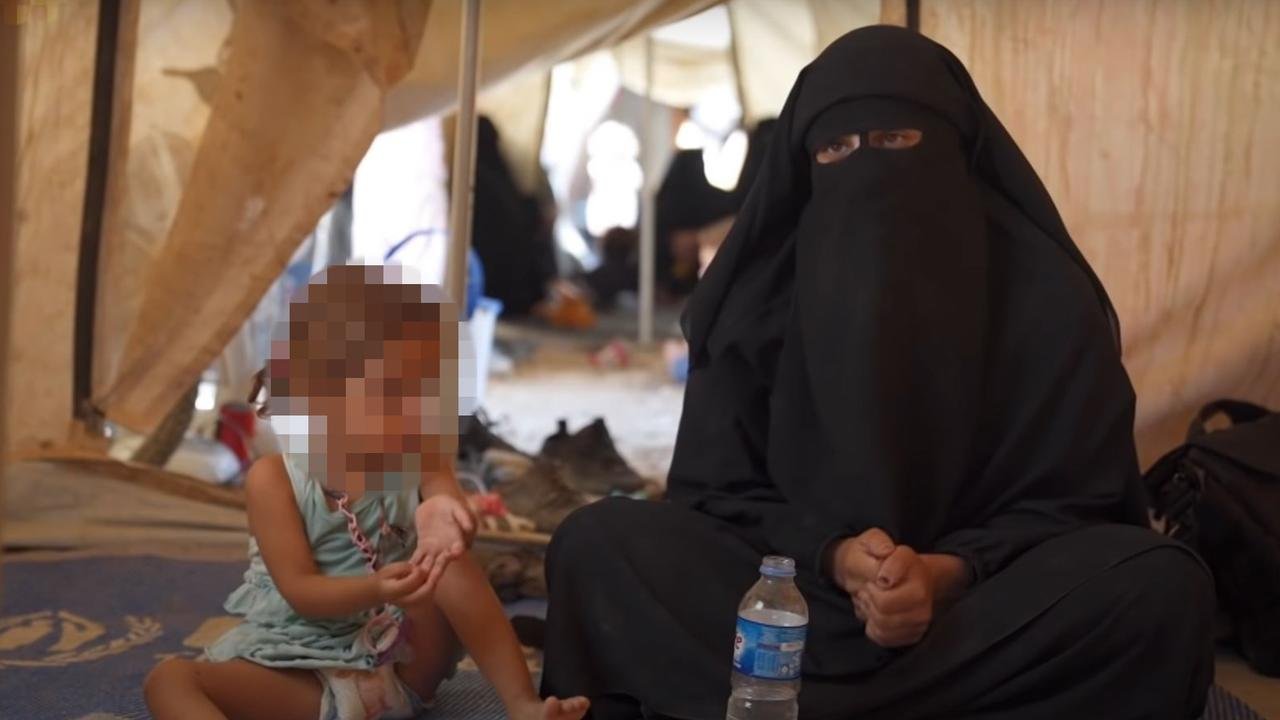
Kirsty eventually travelled to Syria with Kadmiry, where she had two children. However, after IS was defeated in 2019, Kirsty was left stranded in a refugee camp with her children. Her father pleaded with the government to help repatriate Kirsty, but to no avail. Kirsty herself has spoken to media about the dire living conditions in the camp and her desire to return to Australia, but she has avoided speaking about her past actions or ideology.
Intelligence agency ASIO has deemed one of the 11 women in the cohort poses a high enough national security risk for the government to impose a temporary exclusion order, which bans them from returning to Australia. However, advocates say the children should not be punished for their parents’ actions. “We believe all children are innocent and should not be held responsible for their parents’ actions,” said Mat Tinkler, chief executive of Save the Children Australia.
Analysis: What This Means for Australia
The case of Kirsty Rosse-Emile and the 10 other women with links to IS raises serious questions about national security, law enforcement, and the impact on Australian communities. Security analysts say the government’s decision to refuse help to these women and children sends a strong message to those who would seek to harm Australia, but it also raises concerns about the long-term consequences of radicalization and the need for effective deradicalization programs.
Law enforcement insiders warn that the return of these women and children could pose a significant risk to national security, particularly if they have been radicalized or have ties to terrorist organizations. However, advocates argue that the government has a moral obligation to help these Australians, particularly the children, who are innocent victims of their parents’ actions.
The case also highlights the need for more effective counter-terrorism strategies and deradicalization programs to prevent the spread of extremist ideologies. As one security expert noted, “The radicalization of young people is a complex issue that requires a multifaceted approach. We need to address the root causes of radicalization and provide support to those who are vulnerable to extremist ideologies.”
Krystle’s plea to the government to help her sister and the other women and children is a stark reminder of the human cost of radicalization and the need for compassion and understanding. “Give them a chance. You give criminals a chance. If they haven’t done anything, give them a chance to come back,” she said.