
Australia on High Alert as ISIS Brides Prepare to Return: Expert Warns Government Has Limited Power to Stop Them
- Leading international law expert Professor Donald Rothwell says revoking passports is not a viable option to block ISIS brides’ return to Australia.
- Current legislation only allows for exclusion orders, which have a high threshold to meet, making it difficult to prevent their return.
- Rothwell suggests relocating the families to a safe location to determine their own futures as the security situation in Syrian camps deteriorates.
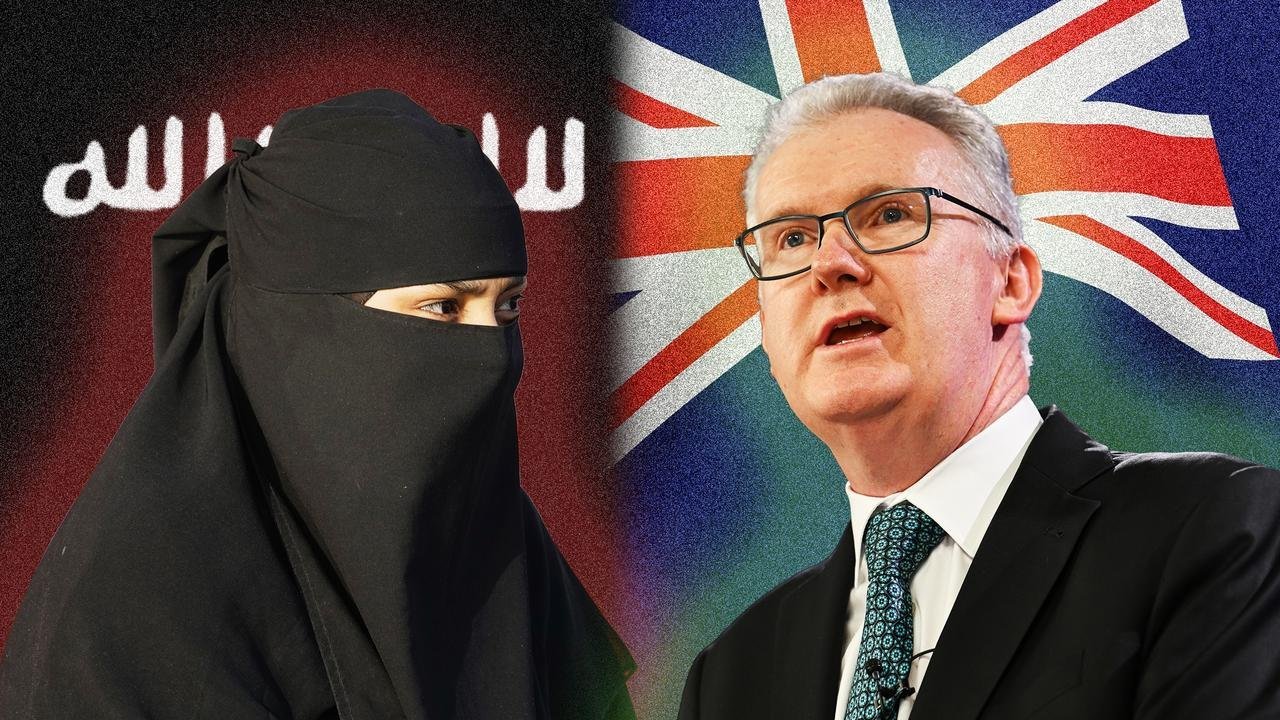
The debate surrounding the return of ISIS brides to Australia has reached a fever pitch, with many calling for the government to take drastic action to prevent their entry. However, according to one of the nation’s leading international law experts, Professor Donald Rothwell, the legal reality is far more constrained. In a recent interview, Rothwell revealed that revoking the passports of these individuals is not a viable option, leaving the government with limited power to stop them.
As pressure mounts on the government to take action, Rothwell explained that the Passports Act does not support the cancellation of passports unless an individual has been convicted of a terrorism offence and is also a citizen of another country. This means that the government’s hands are tied, and they are unable to simply revoke the passports of the ISIS brides. Furthermore, Rothwell noted that without a passport, these individuals would have no ability to travel, making it incredibly difficult for them to flee the camps in Syria.
Under current legislation, exclusion orders remain the primary mechanism available to the Commonwealth to prevent the return of these individuals. However, Rothwell highlighted that only one of the 11 women is currently subject to a temporary exclusion order, and a high threshold must be met before one can be issued. The Coalition has proposed new legislation, including criminal offences to punish those who aid Australians with links to the Islamic State in their return home, but Rothwell believes it would not physically prevent the women from returning.

As the security situation in Syrian camps continues to deteriorate, Rothwell suggested that authorities may need to consider relocating the families to a safe and secure location where they could determine their own futures. This move would allow the government to maintain some level of control over the situation while also ensuring the safety of those involved. However, any move to toughen exclusion order laws would likely face a constitutional challenge, although the existing act has not yet been tested before the High Court.
Analysis: What This Means for Australia
The return of ISIS brides to Australia poses a significant national security risk, and the government’s limited power to stop them is a major concern. The lack of effective legislation to prevent their return raises questions about the country’s ability to protect its citizens from terrorist threats. Furthermore, the situation highlights the need for urgent reform to the country’s counter-terrorism laws to ensure that they are equipped to deal with the changing nature of terrorist threats.
Security analysts say that the return of ISIS brides could lead to a resurgence of terrorist activity in Australia, putting innocent lives at risk. The government must take immediate action to address this loophole in the law and ensure that the country is protected from the threat of terrorism. The Australian public deserves to feel safe, and it is the government’s duty to ensure that they are.
In the meantime, the situation in Syria continues to deteriorate, with conditions in the Roj camp reaching crisis point. The government must act quickly to address this situation and prevent a humanitarian crisis from unfolding. The fate of the ISIS brides and their families hangs in the balance, and it is up to the government to take decisive action to ensure their safety and security.