

Australian ‘ISIS Brides’ Left to Rot: PM Albanese’s Contempt for Stranded Citizens Sparks Outrage
- Eleven Australian women and 23 children, including those as young as six, are stranded in a Syrian detention camp with no clear path to return
- PM Albanese has made it clear he has no intention of helping the group, despite previously allowing the repatriation of four women and 13 children in 2022
- The government’s stance has sparked outrage, with critics accusing them of abandoning Australian citizens and leaving them to suffer in squalid conditions
The debate surrounding the so-called “ISIS brides” has reached a boiling point, with Prime Minister Anthony Albanese making it abundantly clear he has no intention of assisting the 11 Australian women and 23 children stranded in a Syrian detention camp. This starkly contrasts with the government’s previous decision to repatriate four women and 13 children in 2022, sparking accusations of hypocrisy and abandonment.
The women, who were forced to abort an attempt to leave the Al-Roj camp in north-eastern Syria last week, are being punished for their past decisions, according to Albanese. However, critics argue that the government’s stance is short-sighted and ignores the humanitarian crisis unfolding in the camps. The children, many of whom were born in the caliphate, are innocent victims of their parents’ actions and deserve to be brought home and reintegrated into Australian society.
The government’s decision is not based on legal or constitutional grounds, but rather on political expediency and a desire to appear tough on national security. The fact remains that no law can permanently prevent Australian citizens from entering the country, regardless of their past actions. Instead, the government is relying on rhetoric and scaremongering to justify their inaction.
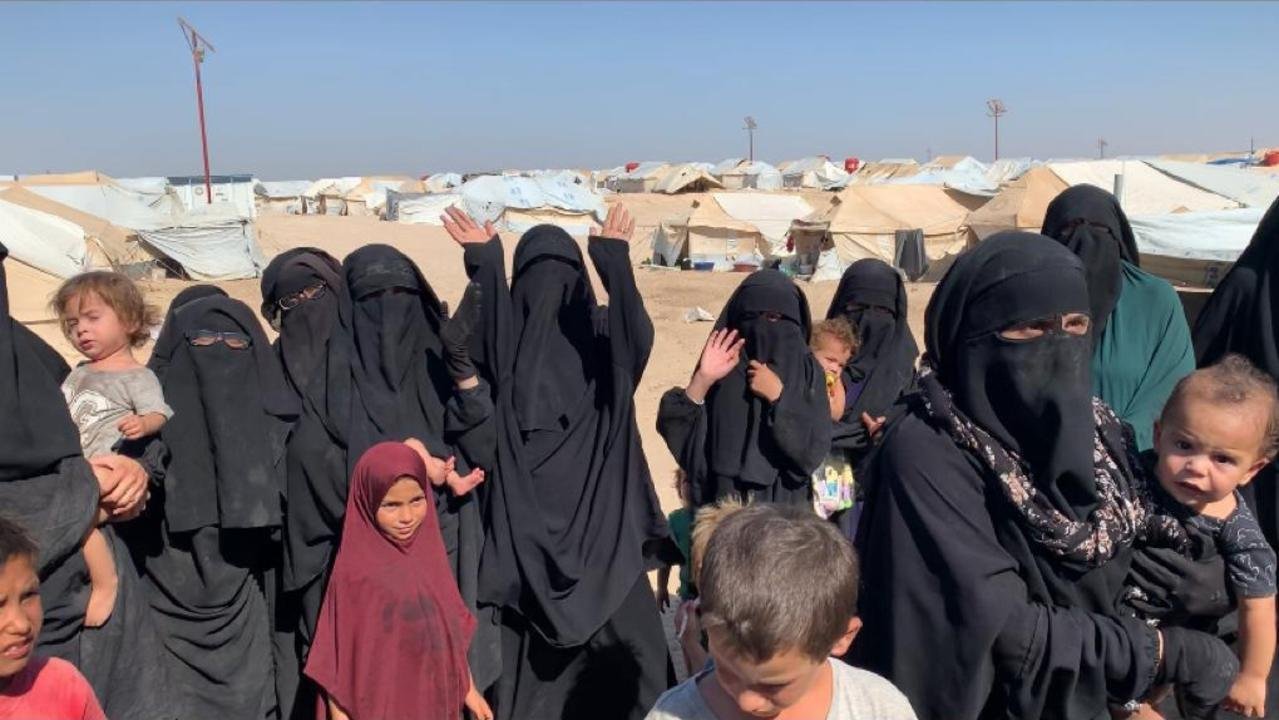
The aftermath of the Bondi terror attack, broad national security fears, and an apparent increase in anti-immigration public sentiment have created a toxic environment in which politicians are more concerned with appearing tough than with doing what is right. The government’s stance has sparked outrage, with critics accusing them of abandoning Australian citizens and leaving them to suffer in squalid conditions.
Analysis: What This Means for Australia
The government’s decision has significant implications for national security, law enforcement, and community safety. By abandoning these Australian citizens, the government is creating a ticking time bomb, leaving them vulnerable to radicalisation and extremism. The longer they are left in the camps, the more likely they are to be influenced by extremist ideologies, posing a significant threat to Australian security when they eventually return.
Security analysts say that the government’s stance is short-sighted and ignores the root causes of radicalisation. “By abandoning these citizens, the government is creating a vacuum that will be filled by extremist groups,” said one analyst. “This is a recipe for disaster, and it’s only a matter of time before we see the consequences.”
Law enforcement insiders warn that the government’s decision will make it harder to combat terrorism and extremism in the long run. “By leaving these citizens to rot, the government is creating a sense of injustice and grievance that will only fuel further radicalisation,” said one insider. “This is a classic case of short-term political gain at the expense of long-term national security.”
The government’s stance also raises questions about the role of Australia in the global fight against terrorism. By abandoning its citizens, Australia is sending a message that it is not committed to combating extremism, and that it is willing to leave its own citizens to suffer. This will have significant implications for Australia’s relationships with its allies and its ability to influence global security policy.
Ultimately, the government’s decision is a moral failure, and one that will have far-reaching consequences for Australia’s national security, community safety, and international reputation.