
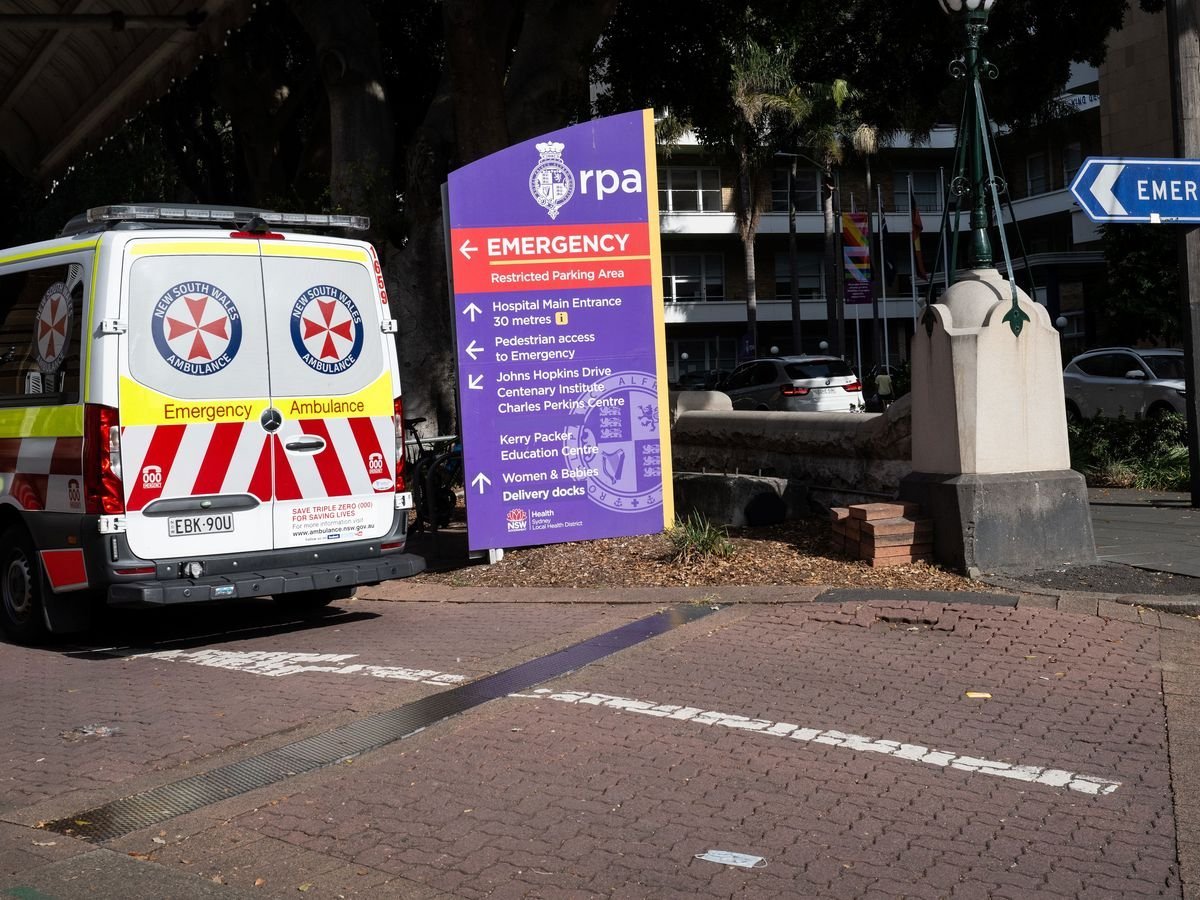
Deadly Fungal Outbreak at Sydney Hospital: Construction Works Under Scrutiny as Two Transplant Patients Die and Four Fall Ill
- A fungal infection outbreak at Royal Prince Alfred Hospital has claimed the lives of two organ transplant patients and left four others ill.
- Investigations are underway to determine if construction works at the hospital contributed to the outbreak, which was only made public this week.
- Health authorities have been accused of withholding information about the outbreak from the public, sparking concerns about transparency and accountability.
The seemingly sterile walls of Royal Prince Alfred Hospital in Sydney have been breached by a deadly fungal infection that has taken the lives of two organ transplant patients and left four others fighting for their lives. The outbreak, which occurred between October and December last year, has sparked a major investigation into the possible causes, with construction works at the hospital coming under scrutiny.
At the centre of the investigation is the Aspergillus fungus, a mould commonly found in soil, plants, and damp environments. While it poses no risk to the general public, it can be deadly for those with weakened immune systems, such as transplant patients. The fungus is believed to have contaminated the liver and kidney transplant ward at RPA, putting the lives of vulnerable patients at risk.
The outbreak was only made public this week, sparking accusations that health authorities had deliberately withheld information from the public. Documents obtained by the NSW state opposition suggest that the Sydney Local Health District was aware of the cluster as early as mid-December, but failed to inform the public.

Opposition Health Spokesperson Sarah Mitchell has slammed the state government for covering up the outbreak, saying that “the staff, patients, and families of those who lost their lives deserve transparency.” Health Minister Ryan Park, however, has denied any cover-up, stating that patients, clinicians, and hospital staff affected by the outbreak were informed immediately.
As investigators delve deeper into the causes of the outbreak, questions are being raised about the hospital’s construction works and whether they contributed to the contamination of the transplant ward. The ward was closed for cleaning and investigations, with patients at risk of exposure relocated to other areas of the hospital. It was deemed safe to reopen on February 9.
Analysis: What This Means for Australia
The outbreak at RPA has raised serious concerns about the safety of Australia’s healthcare system. The fact that the outbreak was only made public this week has sparked questions about transparency and accountability in the healthcare sector. Security analysts say that the incident highlights the need for greater vigilance in protecting vulnerable patients from hospital-acquired infections.
Law enforcement insiders warn that the incident also raises questions about the potential for construction works to compromise the safety of healthcare facilities. With the healthcare sector under increasing pressure to deliver high-quality care, the incident serves as a stark reminder of the need for rigorous safety protocols and transparency in the face of adversity.
Industry observers believe that the incident will have significant implications for the healthcare sector, with potential flow-on effects for hospital design, construction, and maintenance. As Australia grapples with the challenges of an aging population and increasing healthcare demands, the incident serves as a timely reminder of the need for vigilance and transparency in the healthcare sector.
Security experts say that the incident also highlights the need for greater investment in infection control and prevention measures in healthcare facilities. With the threat of hospital-acquired infections a growing concern, the incident serves as a stark reminder of the need for a proactive approach to patient safety.