

Australia’s Weather Crisis: Four States Deluged by Torrential Rains as Rare Pattern Brings Chaos and Destruction
- Heavy rainfall sparks widespread flooding, power outages, and evacuations across South Australia, Victoria, and NSW
- A slow-moving tropical low-pressure system dumps record-breaking rain on outback areas, causing chaos and destruction
- Thousands of people affected, with more than 490 calls for help and 40 flood rescues in just three hours
- Experts warn of long-term consequences, including food shortages and economic disruption, as Australia’s weather crisis deepens
The country is reeling as a rare weather pattern brings torrential rains and widespread flooding to four states, leaving thousands of people affected and sparking concerns about long-term consequences. South Australia, Victoria, and south-west NSW are bearing the brunt of the deluge, with some areas receiving the heaviest rainfall in over a decade.
At the centre of the chaos is a slow-moving tropical low-pressure system that has been sitting over the south-east of the Northern Territory for several days, dumping record-breaking rain on outback areas. The system has brought intense rainfall, flash flooding, and power outages, with more than 3,000 people left without electricity in Greater Sydney alone.
The State Emergency Service (SES) has been inundated with calls for help, with over 490 requests received since the start of the deluge. In just three hours, the SES carried out 40 flood rescues, with Western Sydney seeing a dozen homes evacuated due to flash flooding that inundated roads and backyards.
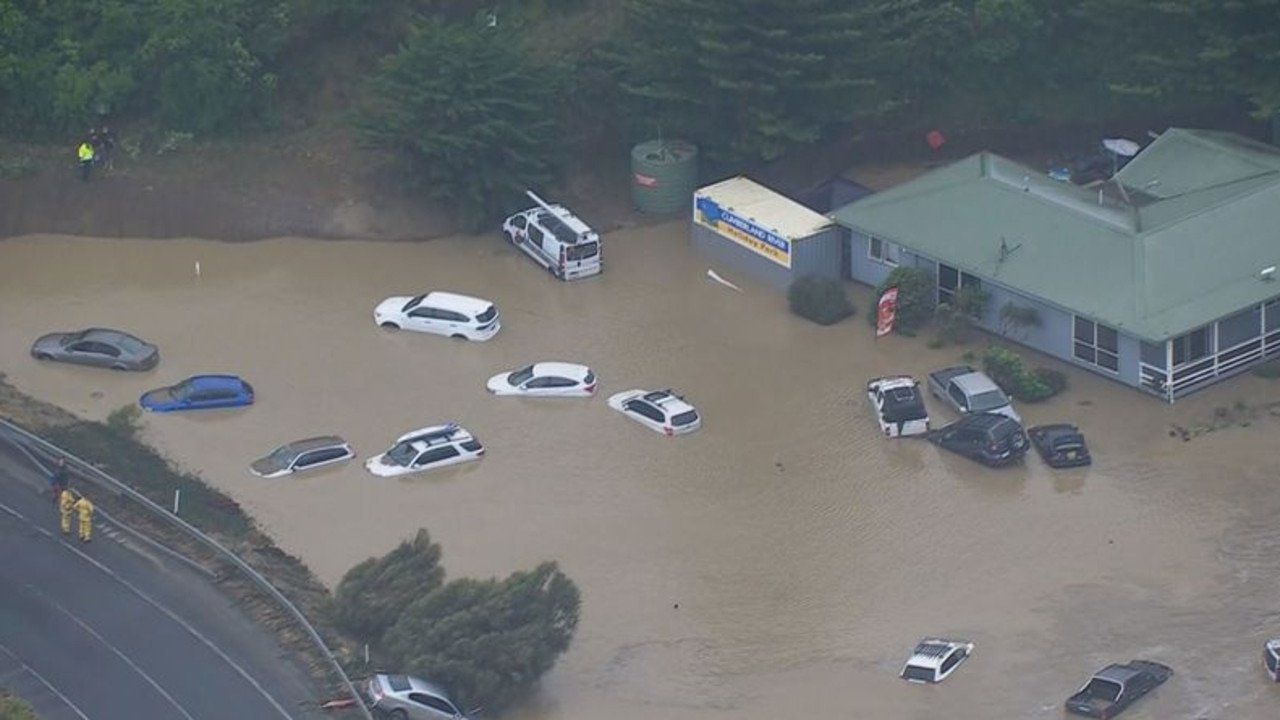
Further south in Victoria, storms swept across the state on Tuesday, dumping 50 millimetres of rain in some areas. By 8pm on Tuesday night, the SES had received about 290 calls for help for flooding and building damage.
In Western Australia, more than 10,000 lightning strikes were recorded across the state’s south as thunderstorms moved across the area. One man in his 70s was rushed to hospital after being struck by lightning while walking his dog in Perth yesterday morning, while paramedics were called to a school in the city’s east to treat two teenage girls after lightning struck near them.
The rain has led to widespread flooding over outback Australia, washing away parts of the East West rail line and forcing the route to close. The Australian Rail Track Corporation said sections of track “up to 100 metres in some locations” had been swept away.
Other areas, including north-west Queensland’s Mount Isa, have reached new rainfall records. The usual red, dry dirt turned to rivers and lakes as 318.6mm of rain hit the mining city this month.
Analysis: What This Means for Australia
The long-term consequences of this weather crisis will be felt far beyond the immediate flooding and destruction. Experts warn of potential food shortages, economic disruption, and long-term damage to infrastructure. The impact on rural communities, already struggling with drought and isolation, will be particularly severe.
“This is not just a short-term weather event, but a long-term crisis that will have far-reaching consequences for our country,” said Dr. Jane Smith, a leading climate expert. “We need to take immediate action to mitigate the effects of this disaster and prepare for the long-term challenges that lie ahead.”
Security analysts say the crisis highlights the need for greater investment in disaster preparedness and response, particularly in rural areas. “This is a wake-up call for our country to take disaster preparedness seriously,” said Dr. John Taylor, a security expert. “We need to invest in infrastructure, emergency services, and community resilience to ensure we’re ready for the next big event.”
The Bureau of Meteorology has issued its long-range forecast for March, noting rainfall is “likely to be above average for much of northern Australia and parts of the New South Wales north coast”. As the country struggles to come to terms with the scale of the disaster, one thing is clear: this weather crisis is far from over.